 Lynden Siding
 Siding Installation for Nooksack-Area Homes
Nooksack sits in one of the wettest, greenest corners of Whatcom County, and the homes here take a beating that homeowners in drier parts of the state never have to think about. Between the marine air pushing in off the Salish Sea, the driving rain that comes sideways during winter storms, and a moss and mildew season that can stretch nine months out of the year, exterior walls in this area are under near-constant moisture pressure. Siding installation here isn't just about appearance — it's about choosing a material and a installation method that can shed water, resist rot, and stand up to organic growth without turning into a maintenance project every spring.
We install James Hardie fiber cement siding exclusively, and Nooksack is exactly the kind of climate that product line was engineered for. This page walks through what local homes actually need from their siding, what a correct installation involves, and why the details matter more here than they would in a milder climate.
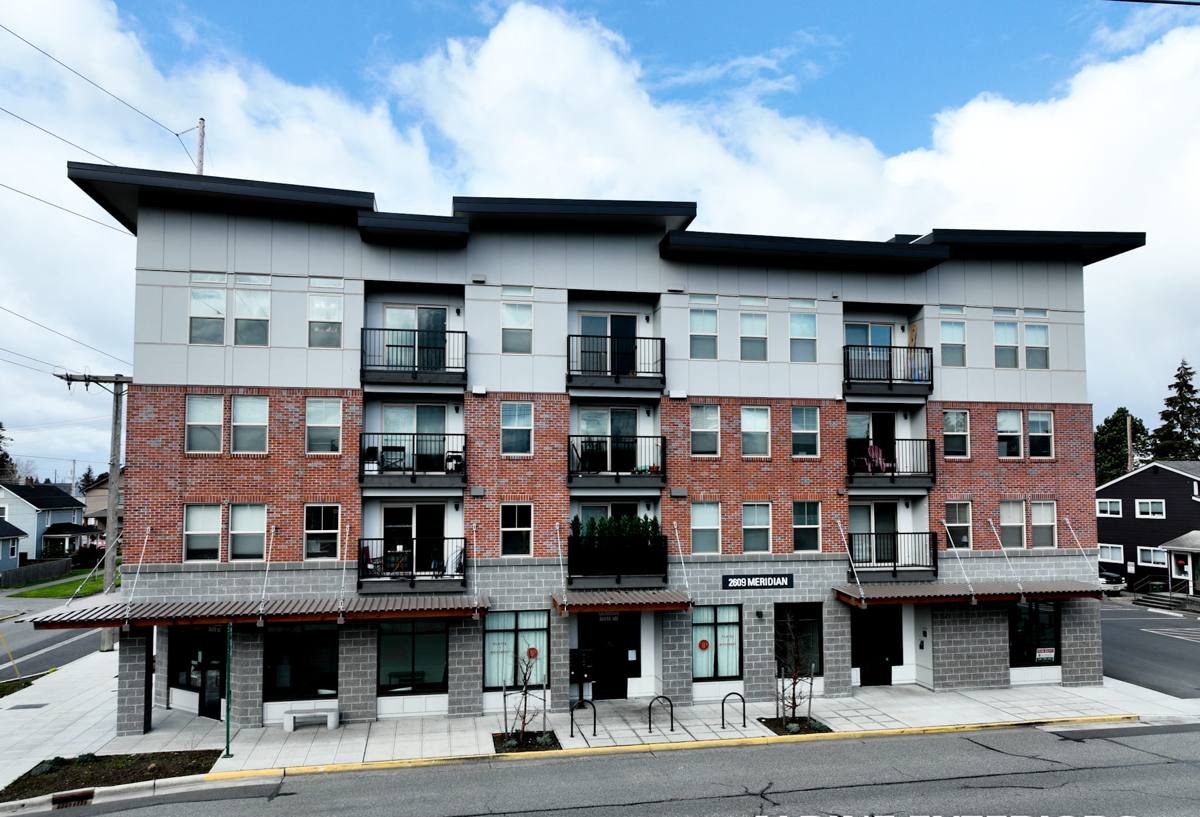
What Nooksack's Climate Does to Siding
Salt Air and Moisture Load
Nooksack isn't right on the water, but Whatcom County as a whole sits close enough to Bellingham Bay and the broader Salish Sea that homes catch a steady dose of salt-laden, humid air. That moisture doesn't need direct rain contact to cause problems — it settles into porous or poorly sealed siding materials over time, feeding rot in wood-based products and corrosion in exposed fasteners.
Driving Rain
Winter storms in this part of Washington rarely fall straight down. Wind-driven rain gets pushed horizontally into wall assemblies, which means every seam, joint, and butt edge on a home's exterior is a potential entry point. Siding that isn't installed with the right laps, flashing, and clearances will eventually let water behind the cladding, where it causes far more damage than anything visible on the surface.
The Long Moss Season
Shade from evergreen tree cover, cool temperatures, and near-constant dampness make Whatcom County prime territory for moss, algae, and mildew growth on north- and west-facing walls. Wood siding, primed spruce, and cedar are all organic materials that moss can actually root into over time. Fiber cement doesn't give moss the same foothold, which matters a lot on shaded lots common around Nooksack.
Why We Only Install James Hardie
We made a deliberate decision to stop installing vinyl, LP SmartSide, primed wood, and cedar siding, and to install James Hardie fiber cement exclusively. That's not a marketing position — it's a response to what we've seen these products do over a full Pacific Northwest winter cycle after cycle.
- Vinyl expands and contracts with temperature swings and can warp or crack in cold snaps; it also traps moisture behind it if not detailed carefully.
- LP SmartSide and primed spruce are wood-based products — even with engineered treatments, they remain organic materials that can absorb moisture at cut edges and are more vulnerable to moss and rot in a climate this wet.
- Cedar looks great new but requires ongoing refinishing and maintenance to hold up against Whatcom County's rain and humidity, and untreated cut edges are a known failure point.
James Hardie fiber cement is non-combustible, dimensionally stable across temperature and humidity swings, and factory-finished with ColorPlus technology so the color coat is baked on rather than field-applied. That combination is why we standardized on it rather than offering a menu of products with very different long-term outcomes.
What a Correct Installation Involves
Fiber cement siding performs the way it's supposed to only when it's installed to manufacturer specification. Cutting corners on any of the following is where most siding failures we get called out to inspect actually originate.
Water Management Behind the Siding
Before a single board goes up, the wall needs a proper weather-resistive barrier and drainage plane. In a climate like Nooksack's, we install a drainage gap system so any moisture that does get past the siding has somewhere to go instead of sitting against the sheathing.
Flashing and Fastening
Every window, door, and penetration needs correctly lapped flashing — installed so water is directed out and away, never toward a seam. Fasteners need to hit framing at the manufacturer-specified pattern and depth; overdriven or underdriven nails are one of the most common defects we find on re-inspections of other contractors' work.
Clearances and Gaps
Hardie board needs proper clearance from grade, roof lines, decks, and other trim to avoid wicking moisture. Butt joints need to be sealed or flashed per spec, not just butted tight and caulked over.
Field Cuts
Any cut edge exposes the fiber cement core. Field cuts need to be sealed with the correct product before installation — skipping this step is a common shortcut that undermines the material's moisture resistance right where it matters most.
Our Process for Nooksack Homes
- On-site assessment — we walk the exterior, check existing siding and sheathing condition, and look specifically for moisture damage around windows, roof lines, and grade-level areas that are common trouble spots in this climate.
- Sheathing and moisture barrier check — if the existing wall assembly has hidden rot or an inadequate weather barrier, we address that before anything new goes up. Covering up a wet wall with new siding just hides the problem.
- Drainage plane and flashing installation — this is the layer that does the real work in wind-driven rain conditions, and it's the layer that's invisible once the job is done.
- Hardie panel or plank installation — installed to manufacturer spec for fastening, clearances, and joint treatment, using the HZ10 product line engineered for the Pacific Northwest's wet, cold climate zone.
- Trim, caulking, and final detailing — this is where a rushed job shows. We detail every joint and transition with the same care as the field panels.
- Final walkthrough — we go over the finished exterior with the homeowner and explain what was done and why.
Signs Nooksack Homeowners Should Watch For
- Moss or dark green streaking on north- and west-facing walls that keeps returning after cleaning
- Soft or spongy siding, especially near ground level or under windows
- Visible gaps, warping, or cracking at butt joints and corners
- Paint that's bubbling, peeling, or chalking faster than expected
- Rust staining running down from fastener heads
- Interior wall discoloration or a musty smell near exterior walls, which can indicate moisture has already gotten behind the cladding
Any of these are worth a professional look before they turn into sheathing or framing repairs, which cost significantly more than siding replacement alone.
Comparing Siding Options for This Climate
| Material | Moisture Resistance | Moss/Algae Resistance | Maintenance | Our Position |
|---|---|---|---|---|
| James Hardie Fiber Cement | High — non-combustible, engineered for wet climates | High — inorganic material, no moss foothold | Low — factory-baked ColorPlus finish | What we install |
| Vinyl | Moderate — can trap moisture behind panels | Moderate — surface growth possible | Low, but prone to warping/cracking | We don't install |
| LP SmartSide / Primed Spruce | Moderate — engineered wood, vulnerable at cut edges | Lower — organic substrate | Moderate to high | We don't install |
| Cedar | Lower without diligent upkeep | Lowest — organic material moss can root into | High — refinishing required | We don't install |
Cost Factors for Siding Installation in This Area
Every home is different, but the same handful of factors drive cost on most Nooksack-area projects: total square footage, the condition of the existing sheathing and moisture barrier (repairs add cost but are non-negotiable if damage is found), the complexity of the roofline and trim work, and the specific Hardie product line and finish chosen. We give a firm, written estimate after an on-site walkthrough — not a phone-quote guess — because in a climate this demanding, the wall condition underneath the old siding matters as much as the new material going on.
Why Local Experience Matters
A crew that's worked exteriors across Whatcom County knows which walls on a given lot take the worst weather exposure, how much drainage detail a north-facing wall under tree cover actually needs, and what the region's moss and rain cycle does to a poorly detailed installation within a few years rather than a few decades. That's the difference between a siding job that looks right at handoff and one that actually performs through a Nooksack winter.
If you're planning a siding project in Nooksack or anywhere around Lynden, we'd be glad to take a look and walk you through what your home specifically needs. Request a free, no-pressure estimate using the form below.