 Lynden Siding
 What Is Allura Siding?
Allura is a fiber cement siding manufacturer that's been through a few name changes over the years — it was previously known as Cemplank and, before that, sold under the CertainTeed fiber cement line. Like James Hardie, Allura makes its siding from a mix of cement, sand, and cellulose fiber, pressed and cured into lap boards, panels, and trim. On paper, the two products look similar: both are fiber cement, both resist fire and rot better than wood, and both are sold as long-term siding investments.
We get asked about Allura fairly often, usually from homeowners in Lynden and around Whatcom County who've gotten a quote that's a few thousand dollars less than ours and want to know what the difference actually is. It's a fair question, and it deserves a straight answer rather than a sales pitch. So here's why, after installing fiber cement siding for years in this specific climate, we made the call to carry James Hardie exclusively and turn down Allura jobs.
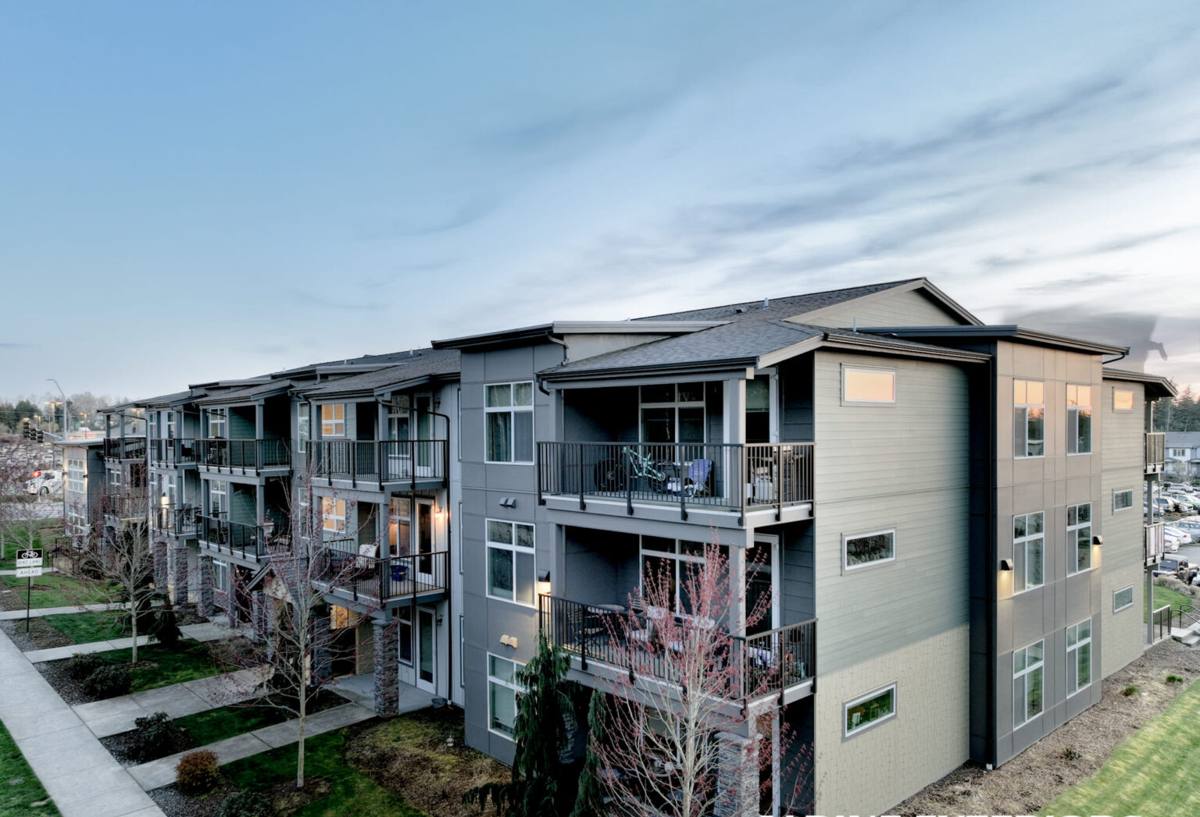
What Allura Gets Right
We're not going to pretend Allura is a bad product, because it isn't. It's a legitimate fiber cement siding with real advantages over vinyl, wood, or engineered wood products:
- It's non-combustible, same as Hardie, which matters for fire-rated assemblies and insurance considerations.
- It resists the pest and rot problems that plague cedar and primed spruce siding.
- It holds paint or factory finish far better than wood over the long run.
- It's typically priced a bit lower than Hardie, which matters on a tight remodel budget.
If a homeowner has already purchased Allura siding or has a contractor lined up who installs it well, that's not a product we'd tell them to rip off the wall. Our decision not to install it isn't about calling it junk — it's about what we've found works best, board for board, on homes that sit through a Whatcom County winter.
Why It Matters More Here Than Elsewhere
Lynden sits close enough to Bellingham Bay and the Salish Sea that salt-laden air is a real factor on the west and south-facing walls of most homes, especially anything near the Nooksack River corridor or open farmland where wind carries moisture further. Add to that the driving rain that comes through in atmospheric river events each fall and winter, and a moss season that can run from October through May on shaded or north-facing elevations, and you've got a siding environment that's tougher than what a product spec sheet is usually tested against.
Fiber cement siding is engineered material, not a natural product, but not all fiber cement is engineered the same way. This is where the difference between manufacturers starts to actually matter, rather than being a marketing point.
Climate-Engineered Product Lines
James Hardie makes region-specific formulations — what they call HZ5 and HZ10 zones — that adjust the product's moisture and freeze-thaw performance for the climate it's shipped to. The Pacific Northwest falls under a specific HZ designation, and the boards we install are manufactured to that spec. Allura sells a more general product line without the same degree of regional engineering built into the base formulation. That doesn't mean every Allura board will fail here — it means the margin for error is thinner, and margin for error is exactly what you don't want on a coastal Whatcom County wall that sees 60+ inches of annual rainfall.
Moss and Algae Behavior
Every fiber cement product will grow moss and algae eventually if it sits in shade and damp air long enough — that's a fact of living here, not a defect unique to one brand. But the factory finish on the board affects how much a homeowner has to fight it, and how the surface holds up to the pressure washing that moss removal requires. This is the piece that actually separates the two products for us, and it's worth its own section.
Factory Finish: ColorPlus vs. Standard Paint Systems
This is the single biggest reason we standardized on Hardie. James Hardie's ColorPlus finish is baked on in a controlled factory environment, cured in multiple coats, and backed by a dedicated finish warranty separate from the substrate warranty. It's formulated specifically to resist the UV exposure, mildew growth, and moisture cycling that Western Washington throws at a wall.
Allura offers primed boards meant for field painting, along with some factory-finished options depending on the product line and distributor availability at a given time. Field-applied paint is only as good as the prep, the weather on install day, and the crew doing the work — and repainting timelines end up shorter than a true factory finish, especially on elevations that take the brunt of driving rain. For a homeowner, that usually means a repaint project within 10 to 15 years instead of a much longer stretch before any touch-up is needed.
| Factor | James Hardie (ColorPlus) | Allura (Field-Painted) |
|---|---|---|
| Finish applied | Factory-baked, multi-coat | Often site-applied after install |
| Typical repaint interval | 15+ years before touch-up | 8–12 years, weather-dependent |
| Finish warranty | Separate, transferable finish warranty | Varies by paint product, not the manufacturer |
| Color consistency | Controlled factory batch | Dependent on painter and conditions |
Warranty Structure
Both companies offer warranties on their fiber cement substrate, and both are reasonably long. The difference is in what's actually covered and how the claims process works in practice. James Hardie's warranty is non-prorated for the full term on the core product, transferable to a new owner if the home sells, and backed by a company with decades of continuous fiber cement manufacturing and a large enough installer network that warranty support is straightforward to access in this region.
Allura's warranties are competitive on paper, but the practical experience of filing a claim, getting a regional rep, and matching replacement material years down the road has been less consistent in our experience — partly because of the brand's history of changing ownership and naming, and partly because it simply has a smaller footprint of trained installers and stocked inventory in Western Washington compared to Hardie.
Installation Sensitivity
Fiber cement siding is not a forgiving product to install poorly, regardless of brand. Gaps, wrong fastener patterns, missing flashing, or improper clearance from grade all shorten the life of the siding no matter whose name is on the box. But a few things make correct Hardie installation easier to guarantee on our end:
- Our crews are trained specifically on Hardie's install specs, not a generic fiber cement install.
- James Hardie maintains a "Preferred Contractor" program with installation audits, which keeps our crew accountable to a documented standard.
- Replacement boards and matching trim are reliably available if a piece is damaged during or after install — no waiting on a distributor to restock a discontinued profile.
- Because we install one product exclusively, our crew isn't relearning fastener schedules and clearances between job sites.
Splitting our crew's expertise across two or three different fiber cement brands would mean more room for the kind of small installation mistakes that don't show up as problems until year five or six — usually right around when moisture starts finding its way behind a poorly flashed joint.
Cost Over the Life of the Siding
Upfront price is the main reason Allura gets a look from homeowners, and we won't dodge that — it's usually a real savings on day one. But siding decisions should be judged over 20 or 30 years, not the first invoice. When you factor in repaint cycles, warranty reliability, and moss/algae maintenance driven by finish quality, the total cost gap narrows and in some cases reverses.
| Cost Factor | Hardie ColorPlus | Allura (Field-Painted) |
|---|---|---|
| Upfront material + install | Somewhat higher | Somewhat lower |
| Repaint over 30 years | 0–1 repaint cycle | 2–3 repaint cycles |
| Moss/algae cleaning | Standard for region | Standard for region, harder on repainted surfaces |
| Resale/appraisal recognition | Widely recognized upgrade | Less consistently recognized |
Why We Standardized on James Hardie
We made a decision a while back to install one fiber cement system instead of offering a menu of brands, and it comes down to accountability. When we only install James Hardie, we know the exact moisture behavior, fastener spec, clearance requirement, and finish warranty for every board that goes on a wall. We're not guessing at how a less common product will hold up against a Whatcom County winter, because we've watched Hardie do it for years on homes from Lynden out to the county line.
That's not a knock on every fiber cement product on the market — it's a statement about what we're willing to put our name behind when a homeowner is trusting us with a 20-to-30-year decision on the biggest surface of their house.
What to Ask Any Siding Contractor
Whether you go with us or someone else, whether the product is Hardie, Allura, or something else entirely, these are the questions worth asking before you sign anything:
- Is the finish factory-applied or will it be painted on site after install?
- What does the warranty actually cover — substrate only, or finish too — and is it transferable?
- How many years has the installer been working with this specific product, not just fiber cement in general?
- Is the manufacturer's installer network and replacement material readily available in Western Washington?
- What clearance from grade, decking, and roofing is specified, and will the crew actually hold to it?
- Who handles a warranty claim in year 10 — the manufacturer, the contractor, or does the homeowner have to chase it down themselves?
If you're weighing siding options for a home in Lynden or anywhere in Whatcom County, we're glad to walk through what we've seen work and not work in this climate. Reach out for a free, no-pressure estimate — we'll give you a straight answer about what your home actually needs.