 Lynden Siding
 Building New in Laurel Means Building for This Climate
Laurel sits inland from the Strait of Georgia but still catches the same weather pattern that defines Whatcom County building season after season: salt-laden air pushing in off the water, long stretches of driving rain, and a wet, shaded moss season that can run from late fall well into spring. If you're framing a new home or an addition in this area, the windows you choose and how they're installed on day one will decide whether you're dealing with condensation, staining, or soft trim in five years — or not.
New construction is the one point in a home's life when window installation can be done exactly right, with full access to the rough opening, the house wrap, and the flashing plane before siding closes everything up. Get it right here and you avoid decades of chasing leaks later. Get it wrong, and every mistake gets buried behind cladding until it shows up as a stain, a soft spot, or a mold smell.
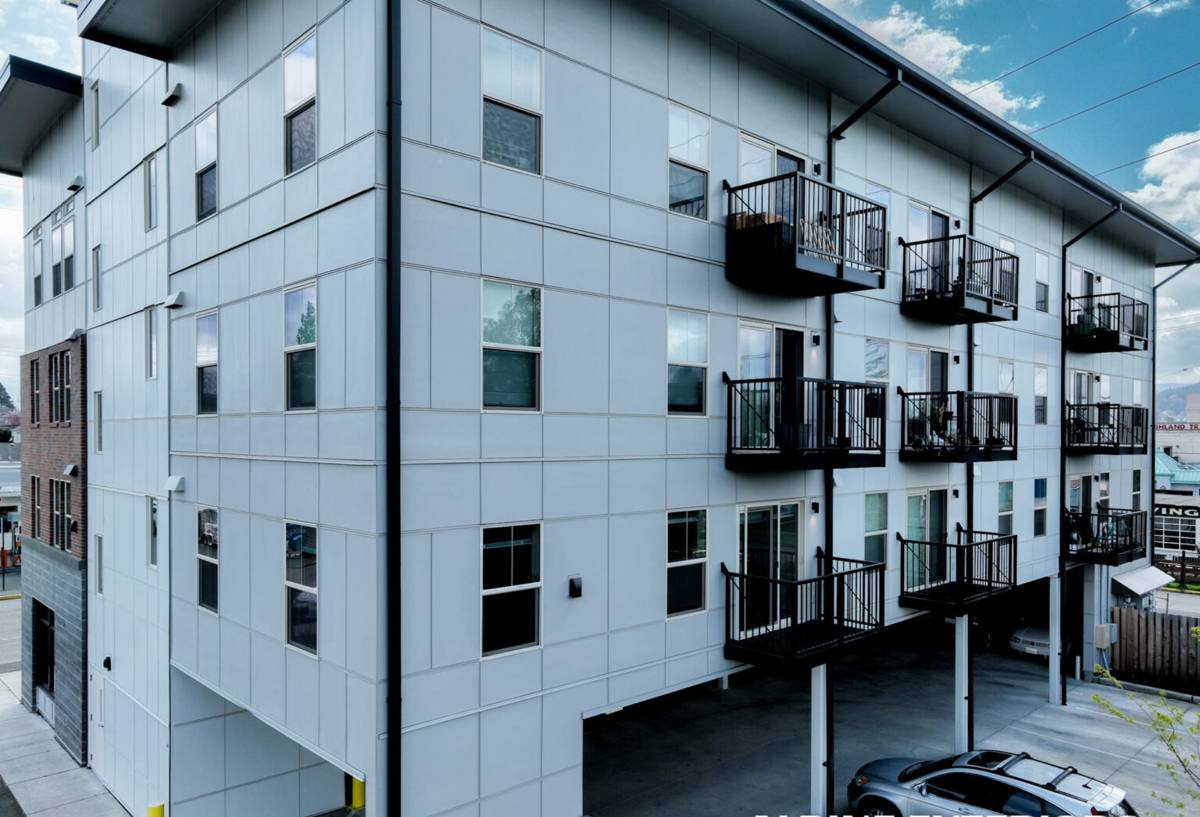
What Correct New-Construction Window Installation Actually Involves
"New-construction" windows are built with a nailing fin around the perimeter, meant to be installed before the exterior cladding goes on — as opposed to replacement or block-frame units that get inserted into an existing opening. That distinction matters because it changes how water management has to be layered in.
The water management sequence
A correctly installed new-construction window in a climate like ours relies on doing things in the right order, not just using good materials. The basic sequence we follow:
- Rough opening checked for square, level, and correct sizing before the window ever shows up on site
- Sill pan flashing installed first, sloped to drain outward, so any water that gets past the window has somewhere to go besides your framing
- Window set, shimmed, and fastened per the manufacturer's specific instructions — fastening patterns aren't universal across brands
- Jamb and head flashing integrated with the house wrap using a proper shingle-lap sequence, so water is always directed down and out, never trapped behind a layer
- Housewrap or weather-resistive barrier taped and lapped over the flanges, not under them, at the head
- Interior air sealing with low-expansion foam or backer rod and sealant — this is as much about comfort and energy loss as it is about moisture
Skip the sill pan, reverse the lap order at the head, or staple through the wrong plane, and you've built a hidden leak path directly into your wall assembly. In a dry climate that might not matter for years. In Whatcom County, with rain loading the walls for months at a stretch, a bad lap sequence tends to show itself.
Why fastening details matter more here than people expect
Salt air corrodes lower-grade fasteners and cheap flashing tape adhesives faster than inland climates. We spec corrosion-resistant fasteners and flashing products rated for coastal exposure on Laurel jobs, even though the site isn't right on the water — the airborne salt still reaches this far inland on a windy day, and it's cheap insurance against a callback five years out.
New-Construction vs. Replacement Windows
Homeowners building new sometimes ask why we don't just use replacement-style windows since they're common in the area. Here's the honest comparison:
| Factor | New-Construction (Nail Fin) | Replacement (Block Frame) |
|---|---|---|
| Best used when | Open framing, no existing siding | Existing wall stays intact, siding not being removed |
| Flashing access | Full access to sill, jamb, and head | Limited to the existing opening |
| Water management | Built into the wall assembly from scratch | Relies on the condition of the existing opening |
| Typical use in Laurel builds | Standard for new homes and additions | Reserved for renovations where siding stays |
For a new-construction project, using a nail-fin window installed with proper flashing is not a style preference — it's the correct method for the situation. A block-frame unit forced into new framing skips the flashing plane integration that new construction is supposed to take advantage of.
Choosing Window Products for a Wet, Salt-Exposed Climate
Material choice matters, but installation quality matters more — a well-installed mid-grade window will outlast a poorly flashed premium one. That said, some materials handle our conditions better than others.
| Frame Material | Moisture/Salt Performance | Maintenance | Notes for Laurel |
|---|---|---|---|
| Vinyl | Good — won't corrode or rot | Low; occasional cleaning | Common, cost-effective choice for new builds here |
| Fiberglass | Very good — dimensionally stable in wet/dry cycling | Low | Worth the upgrade on north- and west-facing walls that see the most weather |
| Wood / Wood-Clad | Fair — needs an intact exterior cladding to stay protected | Higher; periodic refinishing or caulk checks | We're honest with clients: in a moss-prone, high-moisture setting, wood needs a real maintenance commitment or it will show wear early |
| Aluminum | Fair — can pit under salt exposure without a good finish | Moderate | Less common for residential new builds in this area; better suited to specific architectural applications |
We're not going to tell you a product is "bad" — every material has a place. Our job is to walk through the trade-offs honestly for your specific site, orientation, and how much upkeep you actually want to do down the road.
Working With Builders and GCs on a Laurel New Build
Most of our new-construction window work happens as one piece of a larger build, coordinated with a general contractor or the homeowner acting as their own GC. That coordination has its own rhythm:
Timing
Windows need to go in after the house wrap is on but before siding starts — and ideally on a dry-enough day that the sill pan and tape adhesives set up properly. We track the framing schedule closely so we're not the bottleneck, but we also won't rush a flashing detail just to hit a siding crew's start date. A few hours of patience here is cheaper than a leak repair later.
Site walk before install day
Before windows arrive, we walk the rough openings against the actual window schedule — checking sizes, swing directions, and any framing that's out of square. Catching a framing error before the window shows up saves everyone a delay.
Documentation
On new builds we photograph flashing details at each stage, before they're covered by house wrap and siding. If a question ever comes up later about how a window was flashed, there's a record — not a guess.
Common Mistakes We Catch on New Builds
A lot of our new-construction callbacks in this region trace back to a short list of recurring errors from rushed installs. Things we specifically check for on every job:
- Missing or reversed sill pan flashing
- House wrap taped in the wrong lap order at the head flashing
- Nailing fins fastened through housewrap incorrectly, creating a puncture point for water
- Gaps left unsealed around the interior frame, leading to drafts and condensation
- Windows shimmed out of square, which stresses the sash and causes premature seal failure
- Wrong fastener type used near the coast-influenced air, leading to early corrosion staining
Every one of these is invisible once siding goes up. That's exactly why the installation crew's discipline matters more on new construction than almost any other part of the exterior.
Why a Crew That Already Works Laurel Matters
Laurel isn't a huge, high-profile market — it's a smaller community within reach of Lynden, and that's part of why local experience counts. A crew that's worked this specific area knows:
- How exposed a given lot typically is to wind-driven rain based on its orientation and tree cover
- Which framing and flashing details hold up through a full Whatcom County wet season, not just a dry-climate install standard
- Realistic install windows around our rain patterns, so we're not fighting weather mid-install
- Local permitting and inspection expectations for new residential construction in the county
That's a different level of judgment than a crew installing the same window brand in a dry inland state. The product might be identical; the way it needs to be flashed and sequenced for our rain and moss season is not.
Living With the Windows: Moss, Salt Air, and Long-Term Care
Once the home is built, a little seasonal attention keeps new-construction windows performing the way they were installed to perform:
- Keep weep holes and sill tracks clear of moss, needles, and debris so water can drain as designed
- Rinse salt residue off frames and glass periodically, especially after windy weather off the water
- Check exterior caulking annually where trim meets siding — caulk is a maintenance item, not a permanent seal
- Watch for condensation between panes, which signals a failed seal on an insulated glass unit, not a flashing issue
None of this is complicated, but it's the kind of thing that gets skipped in a new home's first few years because everything still looks fine. A five-minute check each fall, before the wet season sets in, catches small issues before they're expensive ones.
Let's Talk About Your Laurel Build
Whether you're framing a new home, adding on, or coordinating windows as part of a larger build in Laurel, we'll walk the plans, talk through the right window and flashing approach for your specific site, and give you a straightforward estimate — no pressure, no upsell. Fill out the form below and we'll get back to you.