 Lynden Siding
 Windows Built for the Deming Climate
Deming sits along the Nooksack River corridor east of Lynden, where the valley funnels marine air up from the coast and wrings it out against the foothills. That combination means more rain days per year than most homeowners expect, long stretches of damp shade under the tree cover, and a moss season that can run from late fall through spring. Windows here don't just need to look good — they need to shed water fast, resist the constant moisture load, and keep performing after years of freeze-thaw swings and wind-driven rain off the valley.
We install custom windows throughout the Lynden and Deming area, and the lessons are consistent: the failures we get called out to fix are almost never about the glass itself. They're about flashing that was never properly integrated, caulk used as a substitute for real weatherproofing, or trim details that trap water instead of shedding it. A correct window install in this climate is as much about the water management around the window as the window unit itself.
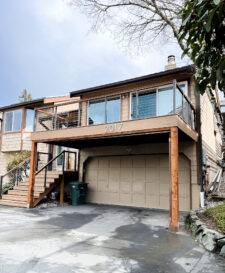
What Deming Homes Are Up Against
Driving Rain and Wind Exposure
Storms moving through the Nooksack valley don't just fall straight down — wind pushes rain sideways against west and south-facing walls. Older window installs that relied on a bead of caulk at the frame edge instead of a proper drainage plane are the ones that eventually show water staining on interior sills or soft trim boards outside.
Moss, Mildew, and Shaded Exposures
Many properties around Deming sit under significant tree canopy, which keeps siding and window trim damp longer after a storm than a home in open sun would. That extended damp period is exactly what moss and mildew need to take hold on wood trim, sills, and even vinyl cladding that isn't ventilating properly behind it.
Salt-Influenced Marine Air
Even inland from the coast, Whatcom County's weather systems carry marine air with them, and over years that steady moisture exposure is harder on unprotected metal fasteners, low-grade hardware, and cheap window components than homeowners realize. It's a slow wear pattern, not a dramatic one — which is why it's easy to under-spec a window and not see the consequences for a few years.
Signs Your Current Windows Are Losing the Fight
- Fogging or moisture between double-pane glass — a sign the seal has failed
- Soft or discolored wood trim around the window frame, especially on the bottom sill
- Moss or dark streaking building up on the exterior trim or sill faster each season
- Drafts you can feel at the frame edge during a windy rain event
- Difficulty opening or closing — often a sign the frame has swelled or warped
- Paint or finish peeling specifically around the window, not the rest of the wall
- Visible daylight or gaps where the old caulk has shrunk and cracked
Any one of these on its own isn't necessarily an emergency, but a home showing two or three of them usually has a water intrusion problem that's been building for a while, not a new one.
What a Correct Custom Window Install Involves
Removal and Opening Inspection
Once the old window is out, we inspect the rough opening — sill, header, and jack studs — before anything new goes in. This is the point where hidden rot or old water damage shows up, and it's far cheaper to address it now than to seal a new window over a compromised opening.
Flashing and Drainage Plane
The window needs to be integrated into the wall's water management system, not just caulked into the hole. That means correctly lapped flashing at the sill, jambs, and head — installed so water is directed out and down, never trapped behind the siding. This is the single most important step for long-term performance in a wet climate like ours, and it's the step most commonly skipped or done poorly on lower-cost installs.
Air Sealing and Insulation
The gap between the window frame and the rough opening gets sealed with the right materials — not just spray foam everywhere, which can bow a frame out of square if overused, but a combination of backer rod, sealant, and low-expansion foam suited to the gap size.
Exterior Trim and Finish
Trim gets set with drainage gaps where needed so water can't sit and pool against wood, and any exposed wood is primed and sealed on all sides — including the back, which is where a lot of rot starts on trim that looks fine from the front.
Choosing the Right Window for This Setting
Custom windows means matching the unit to the opening, the home's style, and the exposure it will actually face — not picking one size and hoping it fits. For Deming and the surrounding valley, that usually means paying closer attention to frame material, glazing package, and drainage design than you would in a drier climate.
| Factor | Why It Matters Here |
|---|---|
| Frame material | Vinyl and fiberglass resist moisture absorption better than untreated wood in a consistently damp climate |
| Weep hole design | Clear, well-sized weep paths let collected rainwater drain out instead of pooling in the frame track |
| Glazing / gas fill | Double or triple pane with argon fill helps with both energy performance and condensation resistance on cold, damp mornings |
| Hardware and fasteners | Corrosion-resistant hardware holds up better under sustained marine-influenced humidity |
| Sun exposure of the opening | Shaded, canopy-covered walls need extra attention to ventilation and drainage since they dry out slower |
We'll walk through these tradeoffs with you during the estimate rather than pushing one product line — the right answer depends on the specific wall, the direction it faces, and your budget.
Our Process, Start to Finish
- On-site assessment — we look at each opening, the surrounding siding and trim condition, and any signs of past water intrusion before quoting anything.
- Honest scope and estimate — you get a clear breakdown of what's included: the window unit, flashing and drainage work, trim, and finish, with no surprise add-ons mid-job.
- Removal and opening prep — old units come out carefully, and we address any rot or damage found before installing anything new.
- Flashing, install, and air sealing — done in the sequence that actually sheds water, not just what's fastest.
- Trim, finish, and cleanup — exterior trim is sealed on all sides, interior is finished cleanly, and the site is left tidy.
- Walkthrough — we go over the finished work with you so you know what was done and why.
Why It Matters That We Already Work in Deming
A crew that only occasionally works this side of Whatcom County has to relearn the local conditions on your job. A crew that regularly works Lynden and Deming already knows how the valley's rain patterns behave, which wall exposures take the worst of it, and where moss and moisture problems tend to start on homes with similar age and construction. That familiarity shows up in small decisions — how much drainage gap to leave, which trim details need extra sealing, how to sequence work around a wet forecast — that add up to a window install that actually holds up through Whatcom County winters instead of needing attention again in a few years.
It also means we're not guessing about turnaround. Scheduling exterior work around this region's rain windows takes local experience, and we plan installs to minimize the time your wall opening sits exposed.
Maintenance That Actually Extends the Life of Your Windows
- Rinse pollen, moss spores, and grime off glass and frames a couple times a year, more often under heavy tree cover
- Check and clear weep holes so the frame can drain properly, especially after fall leaf drop
- Inspect exterior caulk lines annually and touch up before gaps open up
- Watch trim and sills for early soft spots or discoloration — catching rot early is far cheaper than replacing trim later
- Keep gutters and downspouts clear so roof runoff isn't dumping extra water onto window heads below
None of this replaces a correct install, but it does buy you years of extra life out of windows that were properly flashed and sealed to begin with.
Ready to Talk Through Your Windows?
If you're dealing with drafts, fogged glass, moss creeping up your trim, or you're just planning ahead for a remodel, we're glad to come take a look. The estimate is free, there's no pressure, and you'll get a straight answer about what your home actually needs — use the form below to get started.