 Lynden Siding
 Decks Built for the Nooksack Area, Not a Catalog Photo
Nooksack is a quieter corner of the Lynden service area, and the homes out here tend to sit on larger lots with more exposure — more open sky, more wind, more direct weather. A deck in this part of Whatcom County isn't just an outdoor living space, it's a structure that has to hold up to a genuinely wet climate year after year. We've built and repaired decks throughout the Lynden area long enough to know which details matter here and which ones are just upsells.
This page is specifically about custom deck construction for Nooksack-area properties — new builds, replacements of failing structures, and additions to existing outdoor spaces. We're not going to give you a generic national contractor pitch. We're going to walk through what actually needs to happen for a deck to last in this climate.
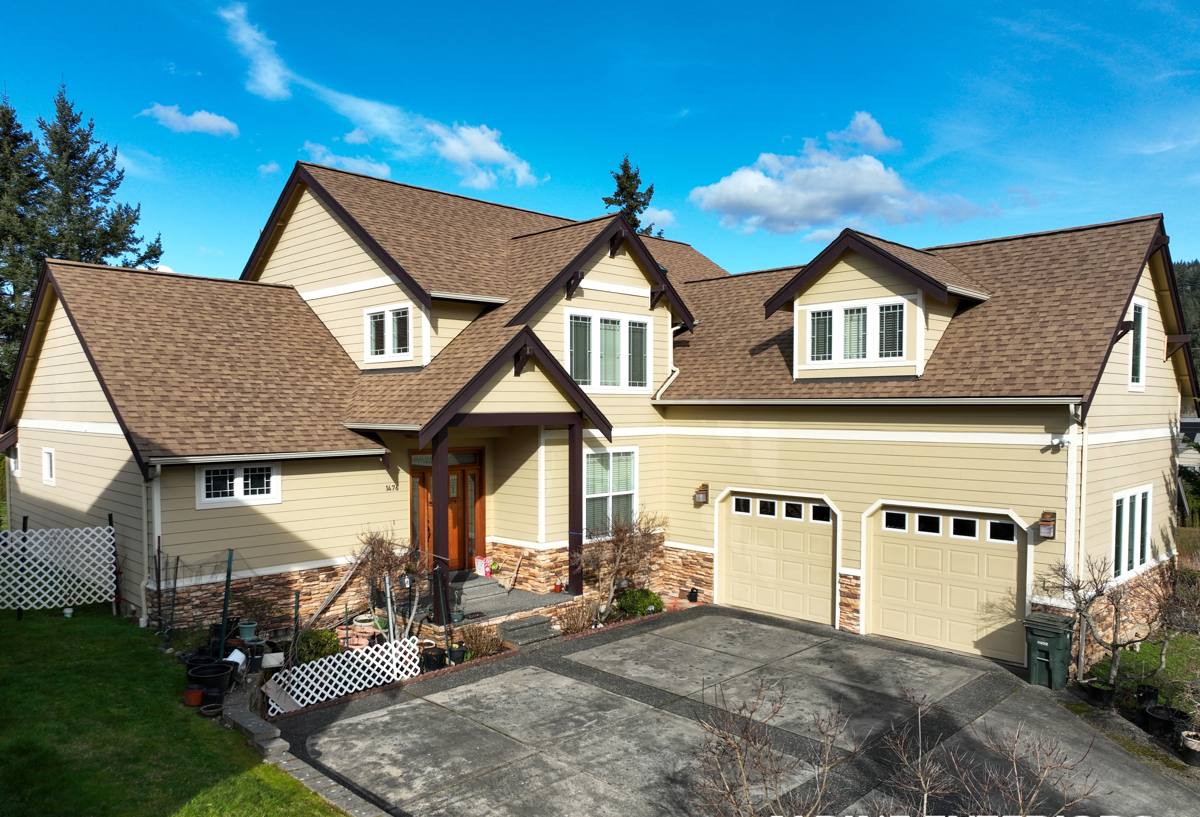
What Whatcom County Weather Does to a Deck Over Time
Salt-tinged marine air, long stretches of driving rain, and a moss season that can run from fall through spring aren't just inconveniences — they're structural stressors. Understanding what they do to a deck is the first step to building one that resists them.
Moisture Intrusion
Rain that hits a deck at an angle, driven by wind, gets forced into joints, fastener holes, and any gap where flashing was skipped or done poorly. Once water gets between boards and framing, or behind a ledger board, it doesn't dry out quickly in our climate — humidity stays high enough, long enough, that trapped moisture just sits there. That's where rot starts, almost always from the inside out, which is why decks can look fine on the surface right up until a board or joist fails.
Moss and Organic Growth
Whatcom County's moss season is long, and a deck with poor drainage, tight board spacing, or heavy shade becomes a moss farm. Moss holds moisture against wood and finished surfaces far longer than open air would, which accelerates decay and makes the deck surface genuinely slick and dangerous underfoot.
Corrosion from Salt-Tinged Air
Even away from the immediate coastline, marine air carries salt content that speeds up corrosion on exposed metal — fasteners, brackets, railing hardware. A deck built with standard interior-grade hardware will show rust and weakened connections years before one built with the correct corrosion-resistant fasteners.
Freeze-Thaw Cycling
Whatcom County doesn't get extreme cold most winters, but it gets enough freeze-thaw swings that water trapped in wood grain, in concrete footings, or in gaps between materials expands and contracts repeatedly. Over several seasons, that cycling opens up cracks and loosens connections that were fine the first year.
Choosing the Right Decking Material for This Climate
There's no single "best" decking material for every homeowner — it depends on budget, how much upkeep you're willing to do, and how long you want the deck to last without major work. Here's how the common options actually compare once you factor in Lynden's climate.
| Material | Moisture Resistance | Maintenance | Typical Lifespan Here |
|---|---|---|---|
| Pressure-treated lumber | Good if sealed regularly | Annual cleaning and re-sealing | 15–20 years with upkeep |
| Cedar | Naturally decay-resistant, but surface still needs care | Periodic cleaning, oiling or staining | 15–25 years with upkeep |
| Composite decking | Excellent — won't rot or absorb water like wood | Occasional washing, no sealing | 25–30+ years |
| PVC/capped polymer | Excellent — fully moisture-sealed surface | Minimal — occasional washing | 25–30+ years |
Composite and capped polymer boards have become the more common choice for Nooksack-area homeowners specifically because of how little maintenance they demand in a climate that punishes anything you neglect. Wood can absolutely still be the right call — it's less expensive up front and has a look some homeowners specifically want — but it comes with a real, ongoing maintenance obligation. We'll walk you through the honest trade-offs for your specific property rather than pushing whatever has the best margin.
What a Correctly Built Deck Actually Involves
A deck that fails early almost always failed at one of a handful of predictable points. These are the details we treat as non-negotiable on every job, regardless of decking material chosen.
Footings and Framing
Footings need to be sized and set to local frost depth and soil conditions, not guessed at. Framing lumber should be rated for ground contact where it's close to grade, and joist spacing needs to match the decking material's span rating — composite and PVC boards often have tighter span requirements than solid wood.
Ledger Board Flashing
Where a deck attaches to the house, the ledger board connection is the single most common source of hidden water damage nationwide, and our climate makes it worse. Correct flashing — proper metal flashing integrated with the house's water-resistive barrier, not just caulk — is what keeps water from running behind the ledger and into the house framing.
Joist Protection
Joist tape or an equivalent moisture barrier over the top of each joist keeps water from soaking into end grain and fastener holes, which is exactly where rot typically starts on an otherwise sound frame.
Fasteners and Hardware
We use corrosion-resistant, code-rated fasteners and structural hardware throughout — hangers, hurricane ties, ledger bolts, and screws all matter here because of the salt content in the air. Mismatched or interior-grade hardware is a shortcut that shows up as rust streaks and weakened joints within a few years.
Drainage and Spacing
Board spacing, ground clearance, and overall drainage planning determine whether water and debris move off and away from the structure or sit and collect — which, given our moss season, is the difference between a deck that stays clean and one that turns green by the second winter.
Our Process for a Custom Deck Build
- On-site assessment — we look at your lot's drainage, sun/shade exposure, existing structure (if replacing a deck), and how the space will actually be used.
- Design and material selection — we walk through decking material, railing style, stairs, and layout, with honest cost and maintenance trade-offs for each option.
- Permitting — most deck builds in Whatcom County require a permit, especially anything attached to the house or above a certain height. We handle that process.
- Footings and framing — built to local frost depth and code-required spans, with all the moisture-control details above.
- Decking, railing, and stairs installation — installed to the manufacturer's specifications, which matters for both performance and warranty coverage.
- Final walkthrough — we go over the finished deck with you, including what maintenance (if any) it needs going forward.
Railings, Stairs, and Code Considerations
Guardrail height, baluster spacing, and stair rise/run are all governed by building code, and inspectors in this area check them closely — for good reason, since these are the details that actually prevent falls. Beyond code minimums, railing material matters for the same reasons decking does: metal railing systems need corrosion-resistant hardware and finishes, and wood railings need the same moisture protection as the rest of the structure. If your lot has any grade change or you're building near a property line, setback requirements can also affect where and how large a deck can be — that's something we check during the permitting step, not after the build starts.
Cost Factors for a Custom Deck
Every deck is priced around the specifics of the site and materials, so we won't quote a number without seeing the project — but these are the factors that move the price the most.
| Factor | Why It Matters |
|---|---|
| Decking material | Composite and PVC cost more up front than wood but need far less long-term maintenance |
| Deck size and shape | Multi-level decks and non-rectangular layouts require more framing and labor |
| Height above grade | Taller decks need more substantial footings, framing, and stair runs |
| Railing style | Cable, glass, and metal railing systems cost more than standard baluster railing |
| Site access and grading | Difficult access or uneven ground adds labor for excavation and material handling |
| Existing deck removal | Tearing out and disposing of a failing deck adds cost before rebuilding begins |
Maintenance Checklist for Nooksack Deck Owners
Whatever material you choose, a little regular attention goes a long way in this climate. Here's what we recommend checking through the year:
- Clear leaves, needles, and debris from between boards before they trap moisture
- Wash off moss and algae buildup at least once a year, more often in shaded areas
- Inspect fasteners and railing hardware annually for rust or looseness
- Check the ledger board area for any signs of staining or soft wood after heavy rain
- Re-seal or re-stain wood decking on the manufacturer- or trade-recommended schedule
- Confirm gaps between boards and along the deck edge aren't clogged, so water keeps draining freely
- Look underneath the deck once a year for standing water or soft framing members
Why a Crew That Already Works the Nooksack Area Matters
Building a deck that lasts here isn't about following a national installation manual — it's about knowing how Whatcom County's specific combination of rain volume, humidity, moss growth, and salt-tinged air actually behaves against a structure over a decade or two. A crew that already works Lynden and the surrounding area has seen which details hold up and which ones fail early, on real decks in this exact climate, not in a showroom. That local track record is also why we can give you a straight answer on material trade-offs instead of a one-size-fits-all recommendation.
If you're planning a new deck, replacing one that's showing its age, or just want an honest read on what a repair versus rebuild would look like, we're happy to come take a look. Reach out for a free, no-pressure estimate using the form below.