 Lynden Siding
 Windows Built for Laurel's Weather, Not Just Its Openings
Laurel sits in a part of Whatcom County where the weather doesn't do anything halfway. Winters bring long stretches of driving rain that hits siding and window trim sideways for days at a time. Spring and fall carry enough moisture in the air to keep north-facing walls damp for weeks, which is exactly the environment moss and mildew thrive in. And because this area isn't far from Bellingham Bay and the Salish Sea, homes here also deal with a low but steady dose of salt-laden air that speeds up corrosion on hardware, fasteners, and cheap finishes. A window that was built for a drier inland climate, or installed without real attention to flashing and sealing, tends to show its age fast around here.
Custom windows for a Laurel home aren't about luxury upgrades or fancy shapes for their own sake. They're about getting a window built to the actual dimensions and conditions of your house, installed by a crew that understands what this specific stretch of Whatcom County does to a building envelope over time.
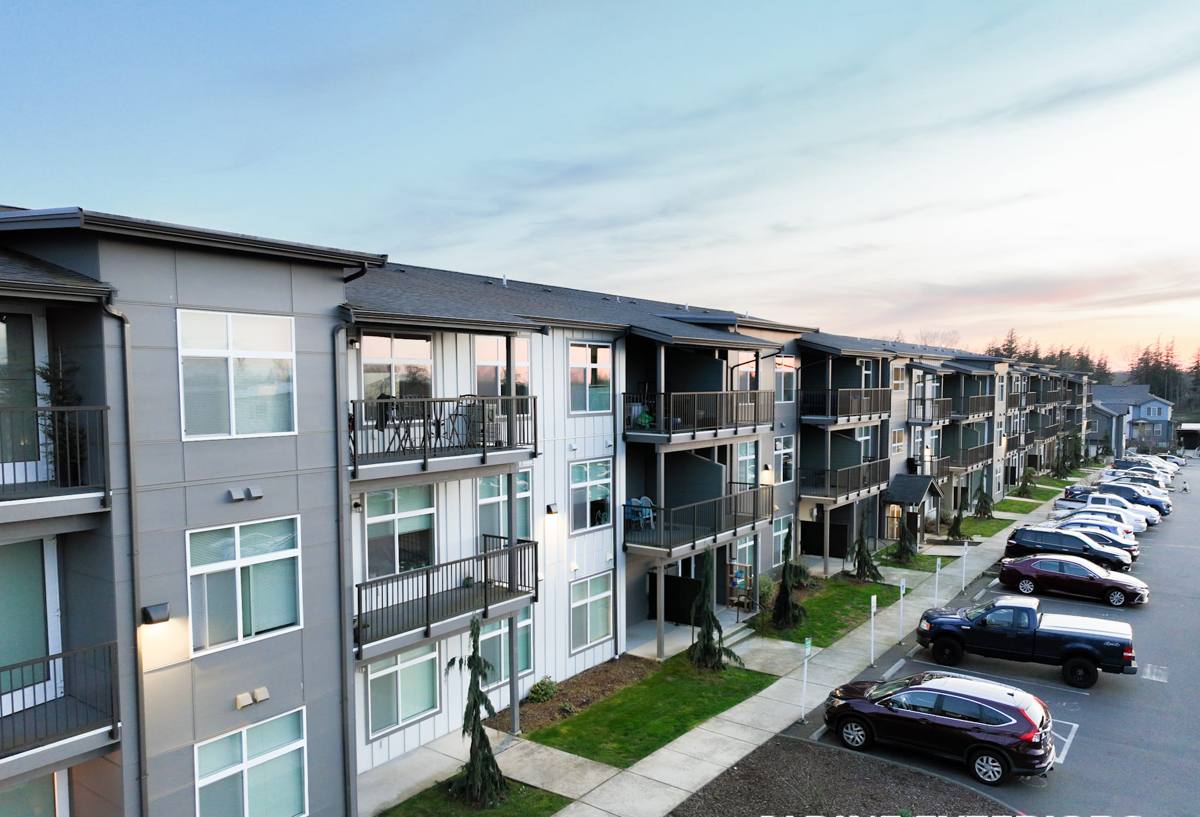
What "Custom" Actually Means Here
A lot of homeowners hear "custom windows" and assume it means unusual shapes or high-end architectural glass. Sometimes it does. But for most Laurel homes, custom simply means the window is manufactured to fit your rough opening exactly, rather than forcing your house to accept a stock size off a shelf. That distinction matters more than people expect.
Why Exact Fit Matters More in a Wet Climate
Older Laurel-area homes, especially anything built before the 1990s, often have rough openings that have shifted slightly over decades of seasonal expansion and settling. A stock-size replacement window forces gaps to be filled with shims, extra trim, and extra caulk lines — and every one of those gaps is a potential path for wind-driven rain to work its way behind the siding. A properly sized custom unit reduces the number of seams and shim gaps a crew has to seal, which reduces the number of places water can eventually find.
Custom Also Means Matching the House
Custom windows let us match grid patterns, trim profiles, and sightlines to the rest of the home, including matching older windows that are staying in place during a partial replacement. That's a common request in this area — replacing the windows on one elevation or one addition without making the house look mismatched.
Signs Your Current Windows Are Losing the Fight
Because of how much rain and humidity this area sees, window failure often shows up as moisture damage before it shows up as an obvious leak. Here's what we look for during a walkthrough, and what you can check yourself before calling anyone out.
- Fogging or a permanent haze between the panes — a sign the seal on a double-pane unit has failed
- Soft or discolored wood trim around the frame, especially on the bottom sill
- Visible moss or dark streaking on the trim or siding directly above or beside a window
- Drafts or a noticeable temperature difference near the glass on cold, windy days
- Windows that stick, won't stay open, or are hard to lock — often a sign the frame has warped slightly
- Paint that's bubbling or peeling specifically around window edges, not the wall in general
- Musty smell in the room closest to the window, which can mean moisture is getting into the wall cavity
Any one of these on its own isn't necessarily an emergency. Several of them together, especially on the same window, usually means the seal around it has been compromised for a while.
Frame Materials: What Actually Holds Up in This Climate
We install a range of frame materials, and the right choice depends on your budget, your home's style, and how exposed a given wall is to weather. Here's how the common options actually perform under Whatcom County conditions, in plain terms.
| Material | How It Handles Rain & Moisture | Maintenance | Typical Fit For |
|---|---|---|---|
| Vinyl | Won't rot or corrode; performs well against sustained damp | Low — occasional cleaning | Most Laurel-area homes, budget-conscious full replacements |
| Fiberglass | Very stable in temperature swings and driving rain; strong seal retention over time | Low | Homes wanting durability and a straighter frame profile long-term |
| Wood (clad exterior) | Good if the cladding and flashing are done right; exposed raw wood is the weak point | Higher — exterior finish needs monitoring | Historic-style homes where interior wood look matters |
| Aluminum | Can conduct cold and is more prone to condensation; also more exposed to corrosion from salt-tinged air | Moderate | Specific architectural applications, not our default recommendation here |
We don't push one material on every job. We'll tell you honestly which one makes sense for the specific wall, exposure, and budget you're working with — including where a cheaper option is genuinely fine and where it isn't worth the risk.
The Trade-Off Homeowners Ask About Most: Wood Clad vs. Vinyl
Clad wood windows look great and a lot of Laurel homeowners like the interior wood finish. The trade-off is that the exterior cladding and the flashing detail around it have to be done correctly the first time, because repairing a failed seal on a clad wood frame later is more involved — and more expensive — than on vinyl or fiberglass. If budget and low-maintenance performance are the priority, we'll usually steer toward vinyl or fiberglass and tell you why upfront rather than let you find out five years later.
How We Handle Flashing and Moisture — the Part That Actually Prevents Leaks
The window unit itself is only part of the job. Most leaks we get called out to fix in this area didn't fail because of a bad window — they failed because of bad flashing or sealant work during the original install. Correct installation on a Laurel home includes:
- Removing the old unit and inspecting the rough opening and sill for hidden rot or prior water damage before anything new goes in
- Installing a sloped sill pan so any water that does get past the window drains outward, not into the wall
- Applying flashing tape in the correct shingle-lap order — sides first, then top, so water is always directed down and out, never trapped behind a layer
- Setting the window level and square, then sealing with an exterior-grade sealant rated for sustained wet exposure, not a general-purpose caulk
- Insulating the gap between the frame and rough opening properly, since a poorly insulated gap is both an energy loss point and a spot where condensation can form inside the wall
- Finishing exterior trim and touching up siding tie-ins so the whole assembly sheds water as one system, not as separate parts
This is the part of the job that doesn't show up in a photo of the finished window, but it's the part that determines whether that window is still performing well in ten years or leaking in three.
Moss Season and Long-Term Upkeep
Whatcom County's moss season isn't short. Cool, damp conditions stick around for months, and anything horizontal or shaded stays wet longer than homeowners from drier climates expect. For windows, that means trim caps, sills, and the top of any decorative header trim are the spots most likely to collect moss and organic buildup over time. We detail these areas so water sheds off them instead of pooling, and we recommend a simple seasonal check rather than reactive repairs after something's already failed.
A Simple Seasonal Check for Laurel Homeowners
- Late summer: clear debris from sills and trim before fall rains start
- Mid-winter: look for water staining or new drafts during a hard rain event
- Early spring: check for moss buildup on horizontal trim surfaces and clean gently, without pressure-washing directly into seams
Energy Performance in a Marine Climate
Whatcom County doesn't see extreme heat, but it does see a lot of gray, cool, damp days where a poorly sealed window makes a room feel colder than the thermostat says. Double- or triple-pane units with a good low-E coating and proper gas fill make a real difference here — less because of summer heat and more because of cutting drafts and reducing that cold-radiating-off-the-glass feeling in winter. We'll walk through glass package options and what's realistic for your budget rather than upselling every job to the top-tier package.
What to Expect From Our Process
We keep the process straightforward because window replacement shouldn't be a mystery:
- Free on-site estimate — we measure, inspect the existing openings for hidden damage, and talk through material and glass options
- Written quote with clear pricing, no vague allowances
- Windows ordered to your exact measurements once you approve
- Install day — old units removed, openings inspected and repaired if needed, new units set with proper flashing and sealing as described above
- Walkthrough when the job's done so you know what was done and what to keep an eye on
Most single-day residential window jobs are completed start to finish in one day per crew, though larger whole-house replacements may run longer depending on how many openings are involved and whether any rough openings need repair work.
Why It Matters That We Already Work in Laurel
A crew that regularly works Laurel and the surrounding Lynden area already knows how the local weather behaves against different exposures — which walls take the worst of the driving rain, which shaded sides hold moisture longest, and what kind of hidden rot to expect when we open up an older opening. That's not something you can fully get from a general contractor who's never worked this specific pocket of Whatcom County. It means fewer surprises during the job and a better sense of what will actually hold up here long-term, rather than what looks good in a showroom.
Get a Free, No-Pressure Estimate
If your windows are showing any of the wear signs above, or you're planning a renovation and want windows sized and installed correctly the first time, we're happy to take a look. The estimate is free, there's no pressure to commit on the spot, and you'll get a straight answer about what your Laurel home actually needs. Use the form below to get started.