 Lynden Siding
 Deck Building in Kendall: Why Local Conditions Matter
Kendall sits in the stretch of Whatcom County between Lynden and the foothills leading up toward Mt. Baker, and that location matters more than most homeowners realize when it comes to building a deck that lasts. This part of the county gets more rain, holds moisture longer, and stays shaded and damp longer into spring than areas closer to the coast. Add in salt-laden air that rides inland off the Salish Sea on prevailing winds, driving rain that comes in sideways during winter storms, and a moss season that can run from October through May, and you have a climate that is genuinely hard on outdoor structures. A deck built with generic, one-size-fits-all methods will show it within a few years — soft spots, black staining, rusted fasteners, and boards that stay slick long after the rain has stopped.
We build decks specifically for this kind of weather. That means paying close attention to details that don't matter much in a dry climate but matter enormously here: how water sheds off the structure, what the fasteners are made of, how the framing breathes, and how the whole system handles being wet for weeks at a stretch. This page walks through what a properly built deck in Kendall actually requires, and how our process addresses it.
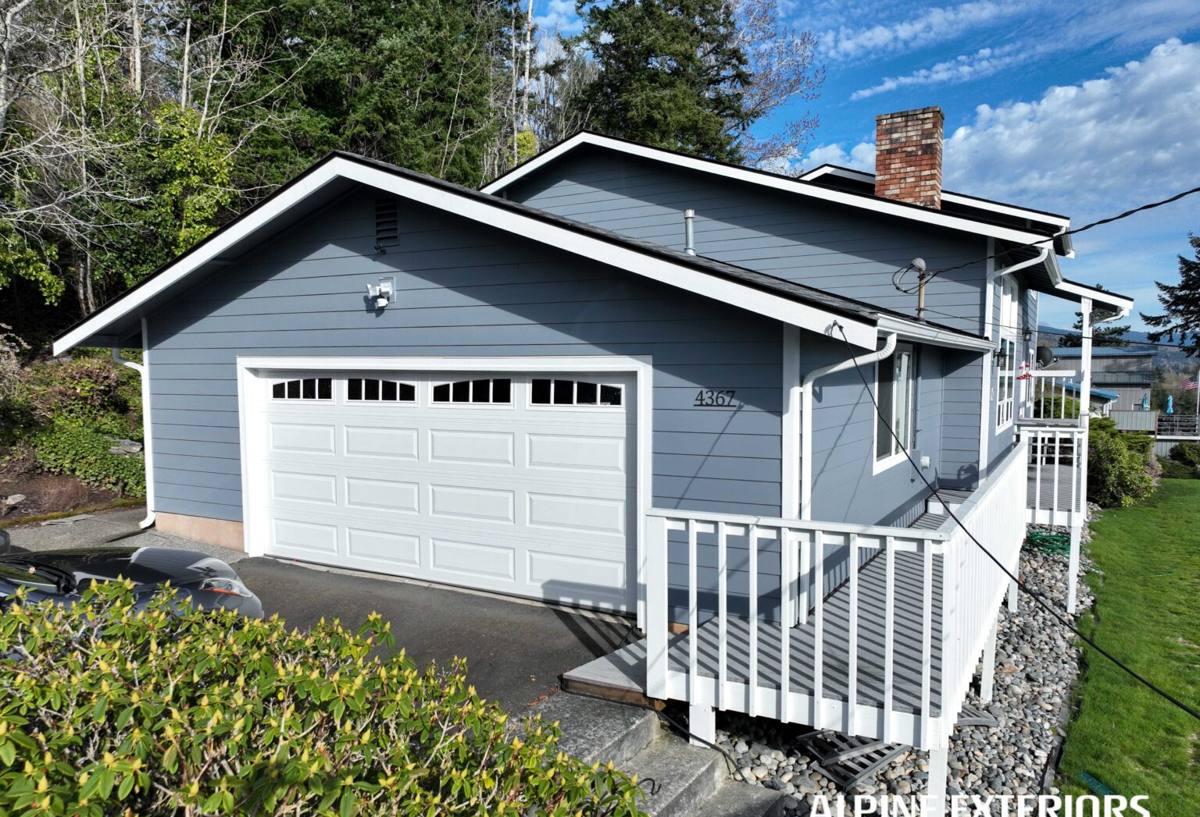
What This Climate Does to a Deck Over Time
Moisture and Slow Rot
The biggest long-term threat to any deck in this area isn't a single storm — it's chronic dampness. Wood and even some composite substrates that stay wet for days at a time, without a chance to fully dry between rain events, break down from the inside. This shows up first at joints and connection points: where a ledger board meets the house, where joists sit in hangers, where posts meet footings. These are the spots we detail most carefully, because they're the spots that fail first when they're detailed poorly.
Moss and Algae Growth
Shaded decks, north-facing decks, and decks near mature trees or dense landscaping — common around Kendall properties — grow moss and algae readily. Beyond looking bad, moss holds moisture against the deck surface and makes boards slippery and dangerous underfoot. Board spacing, airflow underneath the deck, and material choice all affect how fast moss takes hold and how hard it is to keep off.
Fastener and Hardware Corrosion
Salt-influenced, humid air accelerates corrosion in any metal that isn't rated for it. Standard electro-galvanized screws and hangers can start rusting within a couple of seasons out here. Rusted hardware isn't just an eyesore — a corroded joist hanger or a failing structural screw is a safety issue, since it's holding up the structure people are standing on.
Getting the Foundation Right
Everything above ground depends on what's below it. In this area we pay close attention to:
- Footing depth — set below the local frost line and deep enough to reach stable soil, not just the topsoil layer, which stays saturated and soft for much of the wet season.
- Post base standoff — posts should never sit directly on or embedded in concrete where they can wick moisture. A proper post base holds the wood up off the footing.
- Drainage around footings — compacted gravel and proper grading around each footing keeps water from pooling against the concrete and the post base hardware.
- Concrete curing conditions — pouring and curing footings correctly during a wet stretch takes planning; rushed concrete work in damp weather is a common source of long-term foundation problems.
Framing Details That Actually Matter
Most deck failures don't start with the decking boards — they start with the framing underneath, particularly at the point where the deck attaches to the house. Where the ledger board meets the siding or sheathing is the single most common spot for hidden water intrusion, because it's a joint that's under constant load and constant weather exposure at the same time. We flash this connection properly with membrane and metal flashing that sheds water away from the house structure, not just caulk, which degrades and cracks over a few winters.
Beyond the ledger, we use self-adhering joist tape over the tops of framing lumber to keep deck screws from creating a thousand small entry points for water into the wood grain. Joist hangers, post caps, and structural screws are specified in stainless steel or heavy-duty coated hardware rated for wet, coastal-influenced exposure rather than standard interior-grade fasteners. On decks with longer spans or where snow load is a realistic consideration given the closer proximity to higher terrain toward the foothills, beam and joist sizing gets calculated for that load rather than just copied from a standard span table meant for a drier, lower-elevation build.
Choosing Decking Material for This Climate
There's no single "best" decking material — there's a best material for a given budget, look, and maintenance appetite, weighed against how well it handles a wet, mossy climate. Here's how the common options compare for a Kendall-area deck:
| Material | Moisture & Moss Behavior | Maintenance | Typical Lifespan | Relative Cost |
|---|---|---|---|---|
| Pressure-treated wood | Resists rot chemically but surface still absorbs water and grows moss without upkeep | Annual cleaning and periodic staining/sealing | 15–20 years with upkeep | Lowest |
| Cedar | Naturally moisture-resistant, but the show face still needs protection to prevent graying and moss | Regular cleaning; staining/sealing every 1–2 years | 15–20 years with upkeep | Moderate |
| Composite decking | Doesn't rot, but can grow surface mildew/algae in shaded, damp spots if not cleaned | Periodic washing; no staining or sealing required | 25–30+ years | Higher |
| PVC/capstock decking | Fully moisture-resistant surface, least prone to moss and staining | Occasional washing | 25–30+ years | Highest |
Wood costs less up front but asks for more of your time every year, which matters in a climate where mold and moss get a head start the moment maintenance slips. Composite and PVC cost more initially but shift the ongoing burden from labor to money — a trade-off worth discussing honestly based on your budget and how much deck upkeep you actually want to do.
Railings, Stairs, and Code Requirements
Any deck built more than a modest height above grade needs a permit and has to meet structural and safety code — this isn't optional and isn't just paperwork. Key requirements we build to as a baseline:
- Guardrails required once the deck surface is a certain height above grade, generally built to a minimum 36" residential height (42" in some jurisdictions or configurations).
- Baluster spacing that prevents a 4" sphere from passing through, to keep small children from slipping through the railing.
- Consistent stair rise and run measurements — uneven stairs are one of the most common trip hazards on older decks.
- Proper attachment of the guardrail posts back into the framing, not just surface-screwed to the rim joist.
Whatcom County and the local jurisdiction covering Kendall require permits for most new deck construction and significant rebuilds. We handle the permit process as part of the job rather than leaving it to the homeowner to sort out.
How We Build Your Deck
- Site visit and assessment — we look at grade, drainage, sun/shade exposure, existing structure condition if it's a rebuild, and how the deck will actually be used.
- Design and material selection — sizing, layout, and an honest conversation about material trade-offs for your budget and maintenance preference.
- Permitting — drawings and applications submitted to the correct local jurisdiction before any work starts.
- Demo and site prep — removal of any existing structure, grading and drainage prep at the footing locations.
- Footings and framing — footings poured, framing built with corrosion-rated hardware and proper ledger flashing.
- Decking, railings, and stairs — installed with attention to board spacing for drainage and airflow.
- Final walkthrough — we go over the finished deck with you, including basic care so it holds up through its first wet season.
Keeping a Kendall Deck Looking Good Year-Round
A well-built deck still needs some basic seasonal attention in this climate. A short list of what actually keeps a deck in good shape here:
- Sweep leaves and debris out of board gaps regularly — trapped organic matter is what feeds moss and holds moisture against the wood.
- Keep gutters and downspouts above or near the deck clear so runoff isn't dumping directly onto the deck surface.
- Wash wood and composite decking at least once a year to remove the early stages of mildew and algae before they set in.
- Reseal or restain wood decking on the schedule appropriate to the product — don't wait until it's visibly graying.
- Check railing posts, stair stringers, and visible fasteners annually for looseness or early rust.
- Trim back vegetation that's shading or crowding the deck to help it dry out faster after rain.
Why a Crew That Already Works in Kendall Makes a Difference
A deck built with methods copied from a drier climate, or by a crew that doesn't regularly work in this kind of weather, tends to show its weaknesses fast — usually at the ledger connection or in fastener corrosion within the first few winters. Working regularly in and around Kendall and greater Lynden means we already know how the local soil drains, what the moss season does to different materials, and which jurisdiction handles the permit for your specific address. It also means we're not far away if you have a follow-up question or want a maintenance check a year or two down the road — we're a local crew working in this community, not a company that shows up once and disappears.
If you're planning a new deck or need to replace one that's showing its age, we're happy to come take a look and talk through what makes sense for your property, your budget, and this climate — no pressure, no obligation. Use the form below to request a free estimate.