 Lynden Siding
 Building a Deck That Actually Holds Up in Deming
Deming sits in the Nooksack River valley east of Lynden, where the weather off the water and the moisture that settles into the foothills both show up on the same property. Homeowners out here deal with a wetter, greener climate than a lot of people picture when they think of a deck project — driving rain that comes in sideways for days at a time, salt-tinged air working its way inland, and a moss season that can run from October clear through April. A deck built with generic, one-size-fits-all methods will show its age fast in these conditions. One built correctly for this specific climate will still be solid and safe well past the point where a poorly built one has soft spots, rot, and slick green growth on every horizontal surface.
This page is specifically about deck building for Deming properties — not a general overview of decks everywhere. The framing choices, fastener grades, drainage details, and material picks that make sense here are shaped by what this valley actually throws at a structure year-round.
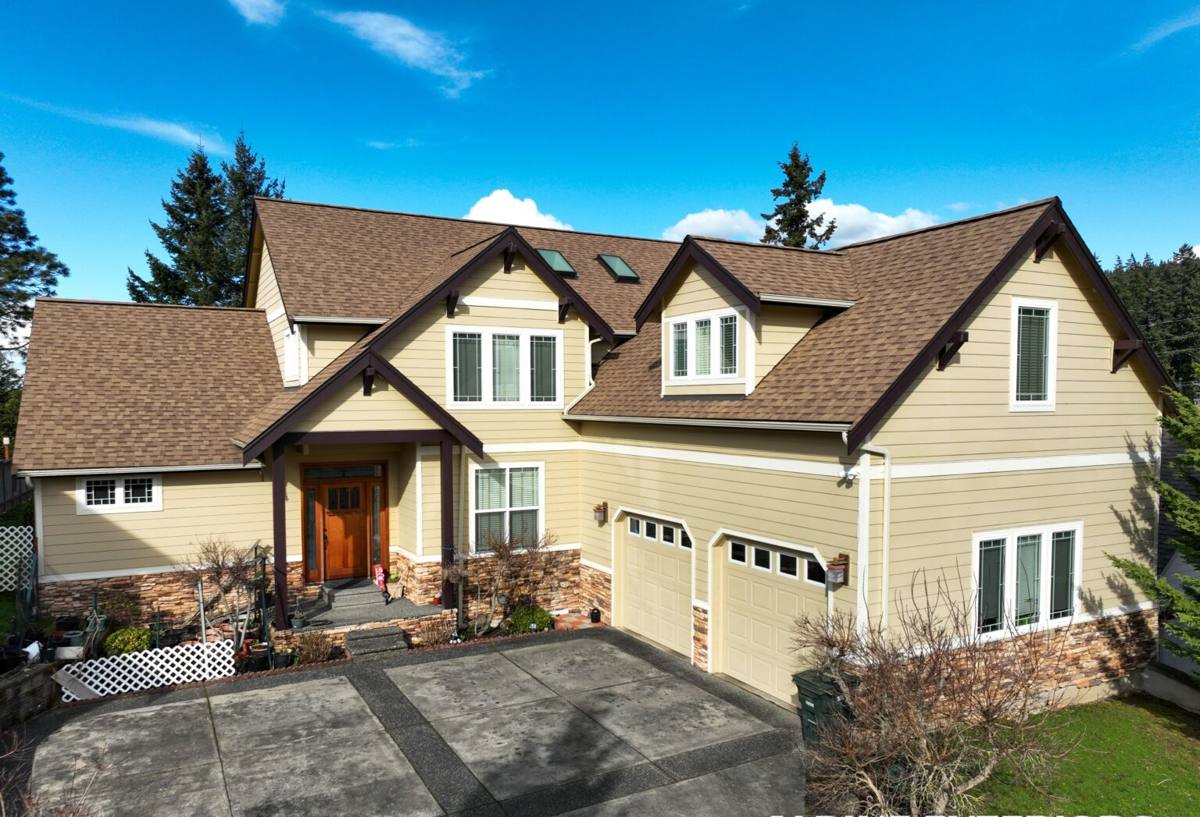
What Whatcom County Weather Does to a Deck Over Time
Three things do most of the damage to decks in this part of Whatcom County, and they compound each other:
- Sustained moisture. Long stretches of rain mean wood and framing members rarely get a full chance to dry out between storms, especially in shaded or north-facing yards common around Deming's tree cover.
- Moss and algae growth. Constant damp plus shade is exactly what moss wants. Left unmanaged, it holds water against the decking surface, degrades wood fiber, and turns walking surfaces slippery and dangerous.
- Salt-influenced air. Even away from the immediate coastline, the marine air that moves through the county carries enough salt to accelerate corrosion on cheap or exposed fasteners, hinges, and railing hardware.
None of this means a deck can't last in Deming. It means the build has to account for these three factors from the framing up — not just at the surface.
Framing and Structure Done Right
Ground Contact and Footings
Post bases and footings need to be set to keep structural wood out of standing water and off damp soil, with proper drainage graded away from the posts. In yards with heavier clay soil or low spots — not uncommon around Deming — this matters more than it does on a well-drained lot, because water has fewer places to go.
Joist Protection
Every cut end, every joist top, and every ledger connection is a place water can get into wood and start rot from the inside where you can't see it. Correctly built decks use joist tape or a comparable flashing membrane on joist tops and flash the ledger board connection to the house properly — this is one of the most commonly skipped steps on lower-quality builds, and it's usually the first place a deck fails.
Airflow Underneath
A deck built too low to the ground, or without enough clearance and airflow beneath it, traps moisture underneath the whole structure. That trapped damp air feeds rot in the framing and encourages moss and mildew to creep up from underneath as well as from above.
Fastener and Hardware Selection
Given the salt content in the regional air, we don't cut corners on fasteners. Standard coated deck screws are fine for a lot of climates, but in this valley we look for stainless steel or high-grade coated hardware rated for exterior and coastal-adjacent exposure, particularly on ledger bolts, joist hangers, and any hardware near ground level. Cheaper fasteners corrode faster here than most homeowners expect, and a rusting fastener doesn't just look bad — it loses holding strength.
Decking Material Comparison for This Climate
| Material | Moisture Behavior | Moss/Algae Resistance | Maintenance |
|---|---|---|---|
| Pressure-treated wood | Good if properly sealed and maintained; absorbs water if coating fails | Needs regular cleaning and treatment to resist moss | Annual cleaning, periodic re-staining or sealing |
| Cedar | Naturally moisture-resistant, but still needs sealing in this climate | Better natural resistance, still needs cleaning | Regular sealing to maintain color and resistance |
| Composite decking | Doesn't absorb or rot; some boards can trap surface moisture if not capped | Surface can still grow moss/mildew without cleaning; capped composites resist better | Occasional washing, no staining or sealing needed |
| PVC decking | Fully moisture-resistant, no rot risk | Smooth surface sheds moss more easily than wood grain | Lowest maintenance; periodic washing |
There's no universal "best" answer here — it depends on budget, how the deck sits relative to shade and tree cover, and how much upkeep a homeowner actually wants to do. We walk through these trade-offs honestly rather than pushing whatever has the best markup, because the wrong material for a shaded, damp Deming lot turns into a maintenance headache no matter how good the installation is.
Dealing With Moss Before It Starts
Moss doesn't show up because a deck was built badly — it shows up because Deming's climate is genuinely good moss habitat. What separates a well-built deck from a problem deck is whether the design gives moss fewer places to take hold and whether drainage moves water off the surface instead of letting it sit.
Board spacing, deck slope (a slight pitch away from the house so water actually runs off rather than pooling), and gap consistency all affect how fast moisture clears the surface after a storm. We also consider surrounding tree cover and shade patterns during design, since a deck tucked under heavy canopy needs different spacing and material choices than one in an open, sunnier part of the yard.
Our Deck Building Process
1. On-Site Assessment
We look at drainage, sun exposure, existing grade, and how the deck will tie into the house before any design decisions get made. A deck plan that ignores the specific yard is a deck plan built for the wrong house.
2. Design and Material Selection
We talk through material options honestly, including cost, maintenance expectations, and how each option holds up given the shade, drainage, and moisture conditions of that specific property.
3. Permitting
Deck projects in Whatcom County typically require permitting depending on size, height, and attachment to the structure. We handle this as part of the process rather than leaving it for the homeowner to sort out.
4. Construction
Footings, framing, flashing, and decking are installed in sequence with inspections at the structural stages that matter — not just a final walkthrough at the end.
5. Final Walkthrough
We go over the finished deck together, including basic care and what to expect from the material chosen, so there are no surprises in year one or year five.
Common Problems We See on Existing Deming Decks
- Ledger boards attached without proper flashing, leading to hidden rot at the house connection
- Standard fasteners rusted and weakened after a few seasons of marine-influenced air
- Decks built too close to the ground with no airflow underneath, trapping moisture
- Moss buildup ignored for years, degrading the decking surface and creating a slip hazard
- Drainage that pools water against the house foundation instead of away from it
- Undersized joists or footings that were adequate when built but not for a hot tub or heavier furniture load added later
Most of these are fixable if caught early, and part of what we do on an estimate visit for an existing deck is flag which of these apply before quoting a repair or rebuild.
Keeping a Deck in Good Shape After It's Built
No deck in this climate is truly "maintenance-free," even composite and PVC. A realistic yearly routine for a Deming property looks like:
- Clear leaves and debris from board gaps before fall rains set in, since trapped debris holds moisture longest
- Wash the surface at least once a year to knock back early moss and algae before it establishes
- Check railing hardware and fasteners for early rust and swap anything showing corrosion
- Re-seal or re-stain wood decking on the manufacturer's recommended schedule, not just when it looks faded
- Confirm drainage underneath and around the deck hasn't shifted due to grading changes or new landscaping
Why Hiring a Crew That Already Works This Area Matters
A contractor who mostly works drier inland climates or dense urban lots doesn't always think about joist tape, fastener grade, or moss-conscious spacing as default steps — because in their normal service area, those details matter less. In Lynden and the surrounding Whatcom County communities, including Deming, they're not optional extras. They're the difference between a deck that needs major repair in five years and one that's still solid in twenty.
We build decks in this specific climate as our normal work, not as an occasional job outside our usual territory. That shows up in the framing details, the hardware we spec, and the honest conversations about material trade-offs before the first post goes in the ground.
If you're planning a new deck or need an honest look at one that's already showing its age, we're happy to come out and take a look. There's no pressure and no cost to get an estimate — just a straight assessment of what your yard and your budget actually call for. Use the form below to get started.