 Lynden Siding
 Aldergrove's Climate Is Hard on Windows — Here's Why
Aldergrove sits just across the border from Lynden, in the same stretch of Fraser Valley and Whatcom County weather system: wet Pacific winters, long stretches of overcast humidity, and summers that can swing hot enough to bake a south-facing wall. Windows here don't fail because homeowners neglect them — they fail because the climate is quietly working against the seals, frames, and glass every single day of the year.
Wind-Driven Rain and Frame Seals
Storms moving in off the coast don't just drop rain straight down — they push it sideways into window frames, especially on the west- and south-facing walls that take the brunt of the weather. Original seals and glazing compounds that were fine when a house was built ten or twenty years ago slowly lose their flexibility, and once that happens, driving rain finds its way behind the trim.
Humidity, Shade, and Moss Growth
Mature trees and long overcast stretches keep a lot of Aldergrove-area properties shaded and damp for much of the year. That's exactly the environment moss and mildew like, and it's tough on wood sills, older aluminum frames, and any caulk joint that isn't holding up its end of the bargain. A window that traps moisture instead of shedding it is a window that's aging faster than it should.
Temperature Swings Between Seasons
Between a damp, 40-degree winter and a dry summer stretch that can push into the 80s, window glass and frame materials expand and contract more than people expect. Over enough cycles, that movement opens up hairline gaps around the frame and can eventually break down the seal between panes on older double-glazed units, which is why you'll sometimes see fogging or a haze trapped inside the glass itself.
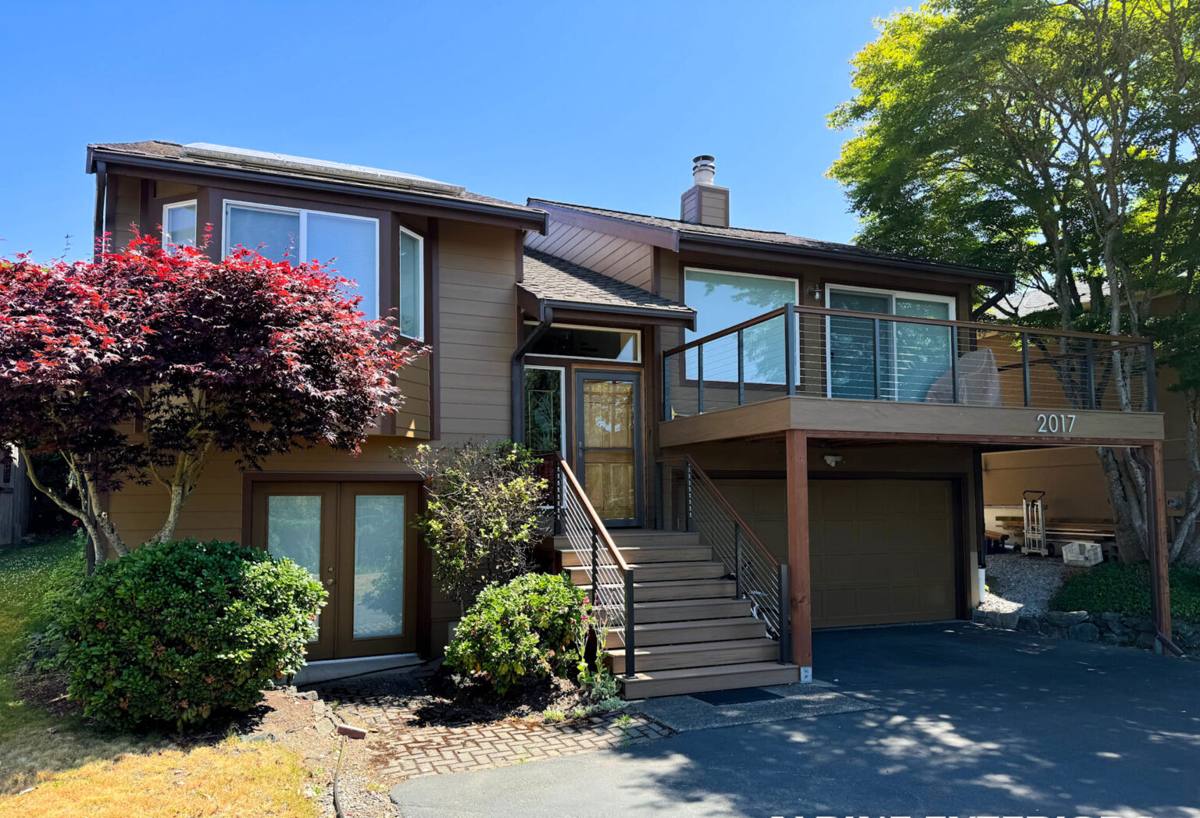
What Makes a Window Actually Energy-Efficient
"Energy-efficient" gets used loosely in this industry, so it's worth being specific about what actually changes performance. It comes down to a handful of factors working together — not just a sticker on the glass.
Glazing and Coatings
Most homes in this area do fine with a quality double-pane unit, though triple-pane is worth discussing for north-facing rooms or homes that run cold in winter. What matters more than pane count is the Low-E (low-emissivity) coating, which reflects heat back into the room in winter and blocks solar heat gain in summer, and the gas fill between panes — argon is standard, krypton shows up in higher-end units — which slows heat transfer compared to plain air.
Frame Material
The frame has to hold its shape and its seal through the wet-dry cycle described above. Vinyl, fiberglass, and wood-clad frames each handle that differently, and the right choice depends on the house, the budget, and how much upkeep an owner wants to take on.
Ratings Worth Asking About
Two numbers tell you most of what you need to know: U-factor (how well the window resists heat loss — lower is better) and Solar Heat Gain Coefficient, or SHGC (how much solar heat gets through — the right number depends on how much sun a wall gets). A reputable supplier can give you both figures for any product they're quoting, and it's worth asking for them rather than taking "energy-efficient" at face value.
| Frame Material | Moisture Resistance | Maintenance | Best Fit |
|---|---|---|---|
| Vinyl | Very good — won't rot, low expansion issues | Minimal; occasional cleaning | Most replacement projects; strong value |
| Fiberglass | Excellent — very stable in wet/dry cycles | Low; holds paint well if color change is wanted | Larger openings, higher-exposure walls |
| Wood-Clad | Good on exterior, but interior wood needs care | Higher; finish and seals need periodic attention | Character homes wanting a wood interior look |
Why the Installation Matters as Much as the Window
We say this as a siding crew first: the best window on the market will still leak if it's not integrated correctly into the wall around it. Most of the water damage we find behind old siding didn't come from a bad window — it came from a window that was installed without proper flashing or drainage, and the wall assembly quietly took on moisture for years before anyone noticed.
Flashing and Water Management
A correct install ties the window's flashing into the weather-resistive barrier behind the siding, so water is directed out and down, never trapped behind the frame. This is the step that's easiest to shortcut and the most expensive to fix later, since finding out it was skipped usually means opening up the wall.
Sill Pans and Drainage Paths
A sloped sill pan under the window gives any water that does get past the exterior seal somewhere to go besides straight down into the framing. It's a small detail that isn't visible once the trim is back on, but it's one of the biggest differences between an installation that lasts and one that doesn't.
Sealing and Insulating the Rough Opening
Around the frame itself, the gap needs to be sealed and insulated — not just caulked shut on the outside — so air isn't moving through the wall cavity. Overfilling with rigid foam can bow the frame and cause the window to bind, so this step takes judgment, not just a caulk gun.
Our Process for Aldergrove Window Projects
- On-site assessment — we look at existing windows, sills, and the surrounding siding to spot any moisture or rot issues before quoting anything.
- Accurate measurements — exact opening sizes so the replacement units fit correctly the first time, without gaps that need to be papered over.
- Product selection — we walk through frame material, glazing, and performance ratings against your budget and how the house is oriented to sun and weather.
- Installation — old units removed, framing checked and repaired if needed, new windows set, flashed, sealed, and insulated correctly.
- Cleanup and walkthrough — job site cleared, operation of every window checked with you, and warranty paperwork explained in plain terms.
Signs Your Current Windows Are Losing You Money
Not every window problem is obvious from the outside. A few honest warning signs worth checking for:
- You can feel a draft near the window even with it fully closed and locked
- Fogging or haze trapped between the panes of a double-glazed unit — the seal has failed and can't be repaired
- Windows that are stiff, sticky, or won't stay open on their own
- Visible gaps, cracked caulk, or soft/spongy wood around the frame or sill
- Noticeably cold spots or cold air pooling near windows in winter
- Moss, algae, or dark staining building up on the sill or lower frame
- A heating bill that keeps climbing even though nothing else in the house has changed
What Energy-Efficient Window Replacement Costs
Pricing depends on more variables than most people expect, so treat any flat number with suspicion. In broad terms, a straightforward vinyl replacement window tends to sit at the lower end of the range, while larger fiberglass or wood-clad units, custom shapes, or windows that require framing repair push toward the higher end. Homeowners on the Aldergrove side should confirm current exchange rates and any applicable local requirements when comparing quotes, since figures from U.S. suppliers are typically quoted in USD.
| Cost Factor | Why It Matters |
|---|---|
| Frame material | Vinyl is generally the most economical; fiberglass and wood-clad cost more upfront |
| Number of windows | Whole-house projects typically bring a better per-window rate than one-offs |
| Existing damage | Rot or water damage found at the opening adds repair time before the new window goes in |
| Window size and shape | Large openings, bays, or custom shapes cost more than standard sizes |
| Access and floor level | Second-story or hard-to-reach windows take longer to install safely |
Serving Homeowners on Both Sides of the Border
Lynden and Aldergrove are close enough that the Aldergrove-Lynden crossing connects the two directly, and the housing stock on both sides tends to share a similar age range and construction style — which means the same water-management and moss problems show up on both sides of the line. We're familiar with the drive and comfortable scheduling around border-crossing logistics. That said, we always recommend Aldergrove homeowners confirm any permitting, import, or local code requirements that apply on the Canadian side before work begins, since those requirements are set by local authorities rather than by us.
Why Hiring a Crew That Knows This Area Matters
A window installer who only shows up once and moves on doesn't have much reason to get the flashing detail right — it's covered by trim before anyone would notice a shortcut. As a siding contractor first, we look at the whole wall assembly, not just the window opening, because a window that's improperly integrated becomes a siding and framing problem within a few wet seasons. Working regularly in Whatcom County and the Fraser Valley border communities means we've seen how this specific climate treats different products and installation methods over time, and we quote accordingly — no upsells to hardware this climate doesn't need, and no shortcuts on the details that actually keep water out.
If your windows are drafty, fogged, or just older than they feel like they should be, we're happy to take a look and put together a free, no-pressure estimate — use the form below to get started.