 Lynden Siding
 Siding Repair Around Wiser Lake Isn't a One-Size Job
Wiser Lake sits in a part of Whatcom County where homes take a steady beating from the elements year-round. Between the driving rain that blows in off the Pacific, the humid air that hangs low around the water, and a moss season that can stretch from fall through spring, siding here ages differently than it does in drier parts of the state. A repair that works on a house twenty miles inland doesn't always hold up on a home closer to the lake, where moisture sits longer and dries slower.
That's the reason a generic repair approach falls short in this area. Fixing a soft spot or a cracked panel without understanding why it failed in the first place just buys a homeowner a year or two before the same problem resurfaces, often worse. A proper repair in this neighborhood starts with figuring out what the climate is actually doing to the siding, not just patching what's visible.
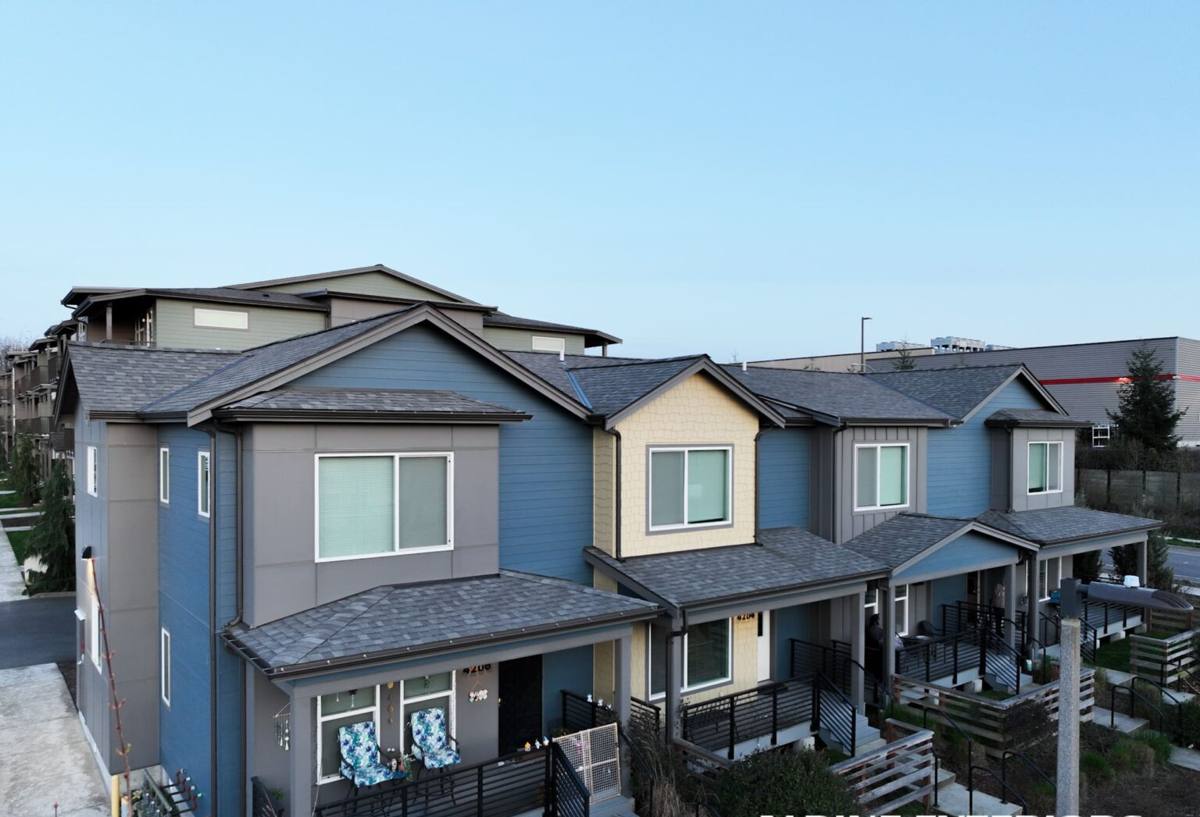
What's Actually Damaging Siding Near Wiser Lake
Most of the repair calls we see in this area trace back to a handful of recurring causes:
- Moisture intrusion at seams, corners, and butt joints where caulking has failed or was never detailed correctly to begin with
- Moss and algae growth on north-facing walls and shaded sections that stay damp for extended stretches, especially under tree cover common around the lake
- Freeze-thaw cycling that works water deeper into small cracks each winter until a minor issue becomes a structural one
- Impact damage from storms, falling branches, or yard equipment, which is common on properties with mature trees
- Poor original installation — nailing patterns, flashing details, or clearances that were wrong from day one and only show themselves years later as rot or warping
Salt-laden air moving inland off the coast accelerates corrosion on fasteners and trim hardware too, which is a detail easy to miss on a surface-level inspection but matters a lot for how long a repair actually lasts.
Repair or Replace: How We Make That Call
Not every damaged section needs to come off the house. But pushing a repair too far — patching around rot instead of removing it, for example — ends up costing homeowners more in the long run. Here's roughly how we think through it:
| Situation | Usually a Repair | Usually a Replacement |
|---|---|---|
| Damage extent | Isolated to one panel or a small section | Spread across a wall or recurring in the same area |
| Underlying material | Sheathing and framing are dry and sound | Sheathing shows soft spots or moisture staining |
| Cause | One-time impact or a single failed seal | Ongoing moisture path or systemic installation flaw |
| Product match | Existing material and color are still available or blendable | Discontinued product or heavy fading makes matching impossible |
| Age of siding | Well within expected service life | Nearing or past the point where repairs stop making financial sense |
We'll always tell a homeowner plainly which category their situation falls into, and why, before any work starts.
What a Correct Siding Repair Actually Involves
Finding the Real Source, Not Just the Symptom
The visible damage — a stained board, a bulging panel, a soft spot under a window — is almost always a downstream effect. A repair that just replaces the damaged piece without correcting the flashing, sealant, or drainage path that let water in will fail again, usually within a season or two. We open up the area enough to see what's happening behind the siding before deciding what needs to be replaced.
Checking What's Underneath
Once a section is opened up, we look at the house wrap or building paper, the sheathing, and the framing behind it. If moisture has already reached the wall structure, the repair scope grows to include drying out or replacing that material — patching new siding over wet sheathing just seals the problem inside the wall.
Matching Materials and Finish
Blending a repair into existing siding is a real skill, not just a matter of buying the same profile. Factory-applied finishes fade at different rates than field-painted trim, plank reveals vary by manufacturer, and even small mismatches in butt joint spacing stand out on a close look. When an exact match isn't realistic, we're upfront about it and talk through options rather than installing something that will look patched.
How We Handle a Repair Call in Wiser Lake
- On-site inspection of the damaged area and a check of surrounding sections for related issues
- A look behind the siding where damage suggests moisture may have reached the sheathing or framing
- A clear explanation of the cause, the recommended scope, and whether it's a repair or a replacement situation
- A written estimate before any work begins — no surprise scope creep once we're on the wall
- Correct flashing, sealant, and fastening at every repaired seam, not just a cosmetic patch
- A final walk-through so the homeowner can see and approve the finished work
Why We Repair and Replace With James Hardie Fiber Cement
We install James Hardie fiber cement siding exclusively, and that standard carries into repair work as well. When a section needs to come off and be rebuilt, we use Hardie product rather than mixing in vinyl, LP SmartSide, or other materials — even for a small patch. There are practical reasons for that:
- Fiber cement doesn't absorb water the way engineered wood products can, which matters directly in an area with this much sustained rain and humidity
- It's non-combustible, which is a meaningful long-term consideration for insurance and wildfire-adjacent risk in Washington
- The factory-applied ColorPlus finish resists the fading and chalking that makes patch repairs on painted siding look mismatched within a year or two
- Hardie's HZ5 product line is engineered for the kind of wet, temperate climate Whatcom County sits in, rather than a generic national spec
- It carries a strong transferable warranty when installed to manufacturer specification, which protects the investment for the current owner and the next one
We won't install a repair patch we know won't hold up — that's the same reason we don't install these other products as full siding systems in the first place. If an existing home has non-Hardie siding, we'll still repair or replace individual sections in a way that's honest about the trade-offs, but any new material we bring to the wall is fiber cement.
Signs a Wiser Lake Home Needs a Siding Repair Soon
Homeowners in this area should walk their exterior at least once a year, ideally before the wet season sets in. Watch for:
- Soft or spongy spots when you press on siding near the bottom edges or around windows
- Peeling, bubbling, or persistently damp-looking paint on a specific section
- Visible gaps at seams, corners, or where trim meets siding
- Moss or dark streaking that keeps returning to the same shaded areas
- Warping, cupping, or panels that no longer sit flush against the wall
- Musty smell or staining on interior walls that back up to an exterior section showing damage
Catching these early is almost always cheaper than waiting — a contained repair now is a fraction of the cost of rebuilding a wall section once water has been getting behind the siding for a year or more.
Why a Crew That Already Works This Area Matters
Siding repair is a job where local experience actually changes the outcome. A crew that regularly works around Wiser Lake and greater Lynden already knows which orientations take the worst weathering, how moss tends to establish on the shaded, tree-covered lots common around the lake, and what installation shortcuts show up as failures a few years down the line in this specific climate. That's different from general knowledge about siding — it's pattern recognition built from doing the work here repeatedly.
It also means faster, more accurate estimates. Someone unfamiliar with how Whatcom County's rain and humidity interact with siding can underestimate what a repair actually requires, or miss moisture damage that isn't obvious from the outside. A crew that already understands the local conditions is less likely to send someone back out for a second visit because the first repair didn't address the real cause.
What Affects the Cost of a Siding Repair
| Factor | Why It Matters |
|---|---|
| Extent of hidden damage | Repairs that reach sheathing or framing cost more than surface-level panel replacement |
| Accessibility | High walls, tight setbacks, or landscaping near the work area can add time |
| Material matching | Matching an older or discontinued product may require sourcing time or a larger repair scope to blend properly |
| Number of affected areas | Multiple separate repair locations cost more than one contained section |
| Root-cause correction | Fixing flashing, sealant, or drainage issues adds scope but prevents repeat failures |
We give a written estimate after seeing the damage in person — siding repair costs vary too much by scope and cause to quote responsibly over the phone.
If you've got a section of siding near Wiser Lake that's showing damage, soft spots, or recurring moss, we're happy to take a look and give you a straight answer on what it needs. Reach out for a free, no-pressure estimate — we'll tell you honestly whether it's a repair or something bigger, and why.