 Lynden Siding
 Siding Installation Built for the Wiser Lake Setting
Wiser Lake sits in a part of Whatcom County where the siding on a house has to work harder than it does in town. Between the tree cover around the lake, the humidity that sits low in the mornings, and the wind-driven rain that comes off the Salish Sea corridor through Lynden, exterior walls here take a steady, year-round beating. Add in a long moss season that stretches from fall through spring, and you have a climate that punishes any siding product with a weak point in its finish, its fasteners, or its water management.
This page is specifically about siding installation for homes in and around Wiser Lake — not a general overview. The lake setting changes what "correct installation" actually means in practice, and it changes what kind of siding makes sense for the long haul.
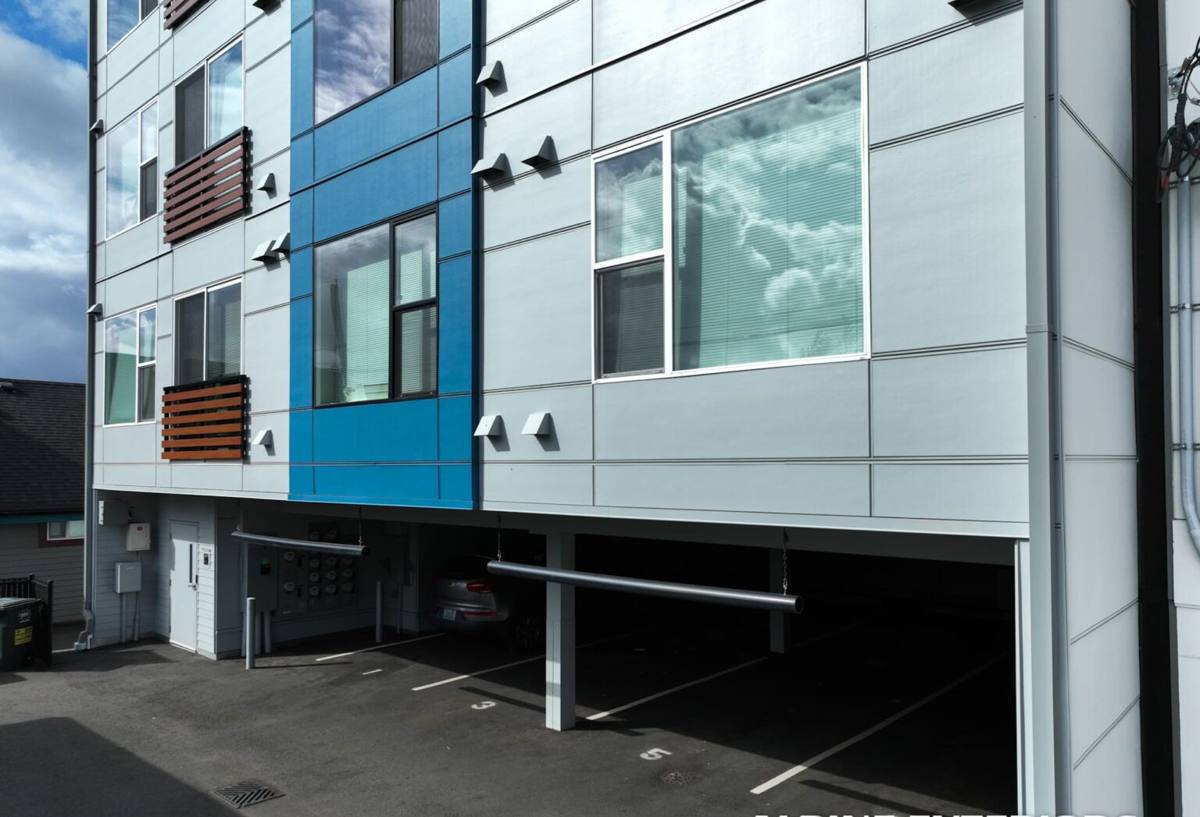
Why Wiser Lake Properties Wear Out Siding Faster
Homes near open water and mature tree canopy deal with a specific combination of stresses that inland, open-lot homes in the same county don't see as intensely.
Shade and Standing Moisture
Tree-lined lots around the lake hold moisture longer after rain. Siding in shaded, low-airflow areas — north walls, sections tucked behind landscaping, spots under eaves with limited sun exposure — can stay damp for days at a time. That extended dampness is exactly what moss, algae, and mildew need to take hold.
Salt Air and Driving Rain
Salt-laden air degrades fasteners, caulking, and lower-grade finishes over time, and driving rain pushes water sideways into laps, seams, and trim joints that were never designed to shed water from that angle. Siding that's only rated for straight-down rain exposure starts to show problems — swelling, staining, soft spots — years before it should.
Long Moss Season
Moss doesn't just look bad. It holds moisture directly against the siding surface, and depending on the material, that constant contact can lead to swelling, delamination, or paint failure. A siding product's ability to shed moss growth and tolerate the occasional pressure wash matters more here than it does in a drier part of the state.
What a Correct Siding Installation Actually Involves
Most siding failures aren't a materials problem — they're an installation problem. The material gets blamed, but the real issue is usually a detail that got skipped or rushed. On a Wiser Lake home, these details matter more than average because the climate offers less margin for error.
- Weather-resistive barrier installed correctly and lapped shingle-style so water is directed out, not trapped behind the siding
- Rainscreen or drainage gap where called for, so any moisture that does get behind the siding can dry out instead of sitting against the sheathing
- Flashing at every horizontal transition — window heads, trim boards, roof-to-wall intersections — so driving rain has nowhere to collect
- Correct fastener type, spacing, and depth for the specific siding product, not a generic nailing pattern
- Proper clearance from grade, decks, and roof lines so siding isn't sitting in a moisture trap from day one
- Sealed, back-primed cuts at every field cut, so raw edges aren't left exposed to weather
Skip any one of these on a shaded, moisture-heavy lot near the lake, and the consequences show up faster than they would on a dry, open lot elsewhere in Lynden.
Why We Only Install James Hardie Fiber Cement
We install one siding system: James Hardie fiber cement. That's a deliberate standard, not a limitation on what we're capable of installing. Fiber cement is non-combustible, dimensionally stable, and doesn't feed moss the way wood-based products can. Hardie's HZ product lines are engineered for specific climate zones, which matters directly in a setting like Wiser Lake where moisture exposure is elevated for a large part of the year.
The ColorPlus factory finish is baked on under controlled conditions rather than field-applied, which gives it more consistent coverage and better resistance to fading and moisture intrusion at the surface than most site-painted alternatives. Hardie also backs the product with a strong, transferable warranty — useful if the home changes hands, which matters for lake-area properties that tend to hold their value well.
We don't install vinyl, LP SmartSide, Cemplank, Allura, primed spruce, or cedar. Each of those has legitimate uses elsewhere, but we made a professional call to standardize on one system we can install, flash, and warranty correctly every time — rather than stocking five products and doing all of them at a "good enough" level. On a site with the moisture load Wiser Lake sees, "good enough" is where problems start.
Our Installation Process for Wiser Lake Homes
1. On-Site Assessment
We walk the property and look specifically at shade patterns, existing moss or algae growth, current drainage away from the foundation, and any trouble spots on the existing siding — soft boards, staining, gaps at trim. This tells us where extra attention to flashing and drainage detail is needed.
2. Tear-Off and Substrate Check
Old siding comes off and we inspect the sheathing underneath. Any water damage, soft wood, or rot gets addressed before anything new goes up — covering a compromised substrate with new siding just hides the problem.
3. Weather Barrier and Flashing
House wrap or building paper goes on correctly lapped, and flashing is installed at every window, door, and horizontal transition before a single piece of Hardie board goes up.
4. Hardie Installation
Siding is installed to Hardie's fastening and clearance specifications, with attention to the drainage gap and grade clearance that matter most on shaded, moisture-prone lots.
5. Final Walkthrough
We check caulking, trim lines, and fastener finish before calling the job done, and we walk the homeowner through what routine maintenance looks like going forward.
Fiber Cement vs. Other Siding in a Moisture-Heavy Setting
| Factor | James Hardie Fiber Cement | Vinyl | Untreated Wood / Cedar |
|---|---|---|---|
| Resistance to moss/algae growth | Strong — dense, non-organic surface | Moderate — can trap moisture behind panels | Weak — organic surface is a food source for moss |
| Performance in driving rain | Strong when flashed and installed to spec | Moderate — seams and laps can leak under wind-driven rain | Weak — absorbs moisture, prone to swelling |
| Finish durability | Factory-baked ColorPlus finish | Color molded through material, can chalk over time | Field-applied paint/stain, needs regular recoating |
| Fire resistance | Non-combustible | Combustible, can melt/warp near heat | Combustible |
What Drives Siding Installation Cost
Every Wiser Lake property is different, and we won't quote a price without seeing the home. But the same handful of factors drive cost on nearly every job:
| Factor | Why It Matters |
|---|---|
| Home size and wall area | More square footage means more material and labor |
| Existing siding removal | Tear-off and disposal adds time versus a bare-wall install |
| Trim and architectural detail | Gables, dormers, and window trim require more cutting and flashing work |
| Substrate condition | Rot or water damage found during tear-off adds repair before install |
| Site access | Tree-lined or lakeside lots can limit staging and equipment access |
| Siding profile and color | Certain Hardie profiles and ColorPlus colors carry different material costs |
Maintenance Checklist for Wiser Lake Homeowners
Fiber cement is low-maintenance, not no-maintenance. A few seasonal habits go a long way in this climate:
- Rinse siding annually, focusing on shaded north-facing walls and any areas under tree canopy where moss tends to establish first
- Keep gutters clear so overflow doesn't run down siding faces during heavy rain
- Trim back branches and shrubs that keep siding shaded and damp longer than the rest of the house
- Inspect caulking at trim and window joints once a year and re-seal if it's cracked or pulling away
- Walk the foundation line after major storms to check for standing water against the siding's bottom clearance
Why a Crew That Already Works This Area Matters
A contractor who's worked lake-adjacent properties in Whatcom County already knows which walls on a given lot orientation tend to hold moisture, where moss shows up first, and how to sequence flashing so driving rain doesn't find a way in. That's knowledge you can't get from a spec sheet — it comes from having installed and later inspected siding on homes with the same shade patterns, the same humidity load, and the same year-round rain exposure as a Wiser Lake property. It also means permitting and inspection with Whatcom County goes smoother, because we're not guessing at local expectations.
If you're planning a siding project on a Wiser Lake home, we're happy to walk the property, look at what your current siding is telling us, and put together a straightforward, no-pressure estimate. Use the form below to get started.