 Lynden Siding
 Roofing Built for Wiser Lake's Weather, Not Against It
Wiser Lake sits in a pocket of Whatcom County where the weather doesn't do a home any favors. Homes here take on a steady mix of salt-laden air moving in off the Sound, driving rain that comes sideways more often than straight down, and a moss season that can stretch from fall through spring. Roofs in this area don't fail because they're old — they fail because they were never really matched to what this specific location throws at them. A roof replacement here isn't just about swapping old shingles for new ones. It's about building a roof system that can shed water fast, resist moss colonization, and hold up to salt exposure over decades, not just years.
We work on roofs around Lynden and Wiser Lake regularly, so this page focuses on what actually matters for a correct roof replacement in this specific area — not a generic rundown of roofing basics.
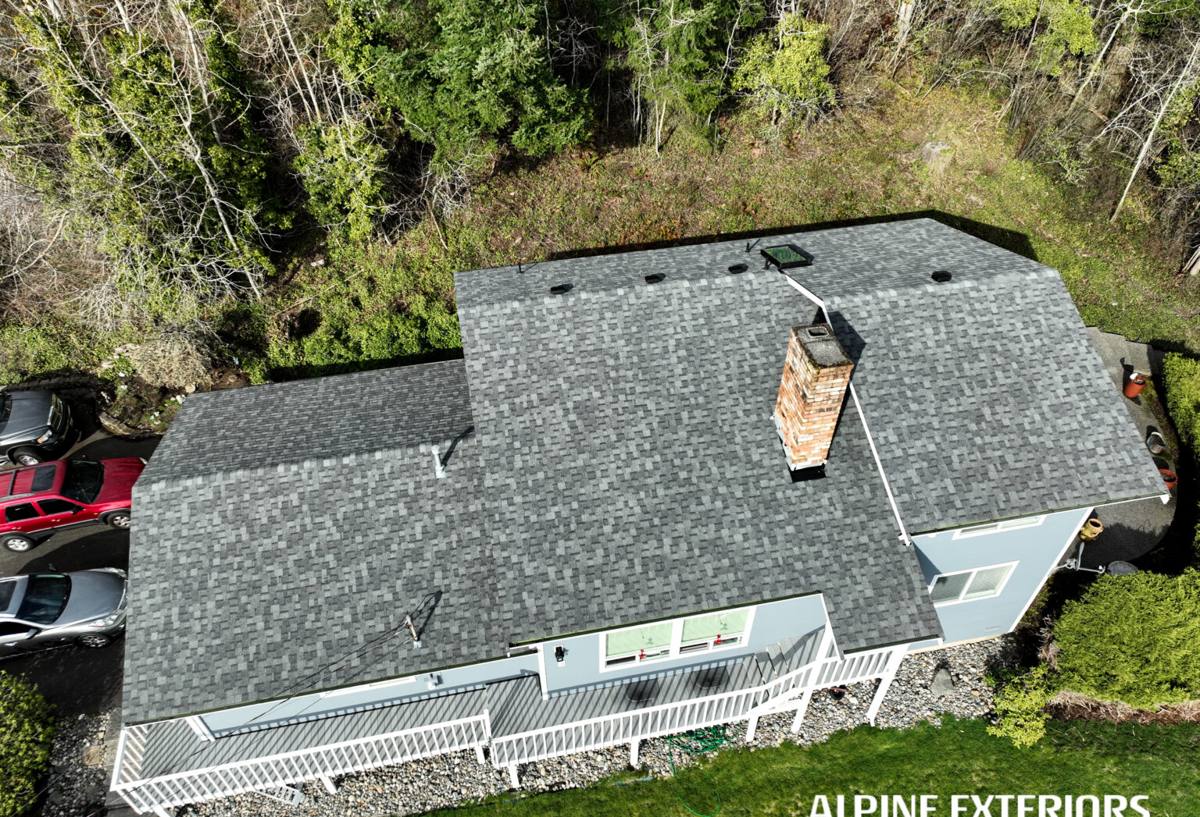
What Wiser Lake's Climate Actually Does to a Roof
Salt Air
Even at a distance from open saltwater, moisture-laden coastal air carries fine salt content that accelerates corrosion on exposed metal — nail heads, flashing, vents, and fasteners. Roofs with untreated or poorly coated metal components age faster here than the same roof would inland.
Driving Rain
Wind-driven rain doesn't behave like a straight downpour. It gets pushed sideways and upward under shingle edges, around vent boots, and into any flashing that was installed with shortcuts. A roof that would perform fine in calmer conditions can leak here simply because the underlayment and flashing weren't detailed for wind-driven exposure.
Long Moss Season
Shade, moisture, and cooler temperatures for much of the year create ideal conditions for moss and algae growth on roofing. Moss isn't just cosmetic — it holds moisture against the roofing material, lifts shingle edges as it grows, and shortens the life of almost any roofing product if it's left unmanaged.
Signs a Wiser Lake Roof Needs Replacement, Not Repair
Not every roofing problem calls for a full replacement, but there are patterns we see often enough in this area that they're worth knowing before you spend money on repairs that won't hold.
- Granule loss showing as bald patches or granules collecting in gutters and downspouts
- Moss growth that has spread across multiple sections of the roof, not just isolated shady spots
- Shingles that are cupping, curling, or cracking, especially on south- and west-facing slopes
- Soft spots or sagging in the roof deck when walked or inspected from the attic
- Rusted, discolored, or failing flashing around chimneys, vents, and valleys
- Water stains on interior ceilings or in the attic, particularly after wind-driven rain events
- A roof more than 18-20 years old with asphalt shingles, or showing widespread wear regardless of age
If a roof shows two or more of these, patch repairs usually end up being a short-term fix that costs money now and again later. A full replacement resets the clock and lets us correct any underlying issues with decking, ventilation, or flashing at the same time.
What a Correct Roof Replacement Actually Involves
A roof replacement done right isn't just laying new shingles over what's there. For a Wiser Lake home, the work that happens underneath the visible surface is what determines whether the roof holds up to the next twenty winters.
Full Tear-Off and Deck Inspection
We remove the old roofing down to the deck so we can actually see what's there. Any water-damaged, soft, or rotted decking gets identified and replaced before anything new goes down — covering over a compromised deck is one of the most common shortcuts that leads to early failure.
Underlayment Matched to Exposure
Given the amount of wind-driven rain this area gets, underlayment selection matters more here than in calmer inland locations. Self-adhering ice-and-water membrane at eaves, valleys, and around penetrations gives an extra layer of protection where wind-driven moisture is most likely to find a way in.
Flashing Detail Work
Chimneys, skylights, dormers, and valleys are where most roof leaks actually start — not in the open field of shingles. Correct step flashing, counter-flashing, and valley metal, properly lapped and sealed, are what keep driving rain from working its way underneath the roofing material.
Ventilation Correction
A poorly ventilated attic traps moisture, which feeds moss and algae growth from underneath as well as accelerates deck rot. We check intake (soffit) and exhaust (ridge) ventilation balance as part of every replacement and correct it where it's inadequate.
Material Choices for a Moss-and-Moisture Environment
There's no single "best" roofing material for every home, but some choices hold up noticeably better than others given Wiser Lake's combination of salt air, rain, and moss pressure.
| Material | How It Handles This Climate | Trade-Offs to Know |
|---|---|---|
| Algae-resistant asphalt shingles | Copper- or zinc-infused granules slow moss and algae growth compared to standard shingles | Still requires periodic cleaning; resistance fades gradually over the product's life |
| Standing seam metal | Smooth, steep-shedding surface gives moss little to hold onto; strong wind-driven rain performance | Higher upfront cost; fasteners and flashing must be corrosion-rated for salt exposure |
| Cedar shake | Traditional look that fits many homes in the area | Highest moisture and moss maintenance burden of common options; needs regular upkeep to avoid early failure |
| Synthetic composite shingles | Engineered for moisture resistance with a lower maintenance profile than wood | Product line and warranty terms vary significantly, so the specific manufacturer matters |
We'll walk through which of these fits your home, your roof pitch, and your budget honestly — including talking you out of a material if it's a poor match for how much shade or moss pressure your specific lot gets.
Ventilation and Moisture Control Aren't Optional Extras
On a roof replacement, it's tempting to treat ventilation as a minor add-on. In an area with this much sustained moisture, it isn't. Balanced intake and exhaust ventilation keeps the underside of the roof deck dry, which does two things: it slows deck rot from the inside, and it reduces the moisture load that feeds moss growth on the surface. We check this on every replacement, not just when a homeowner asks about it specifically.
Our Process for a Wiser Lake Roof Replacement
- On-site inspection of the current roof, decking condition, ventilation, and any problem areas specific to your home's shade and slope orientation
- A written estimate that spells out material options, scope of work, and a realistic timeline — no vague allowances
- Full tear-off, deck inspection and repair, and disposal of old materials
- Installation of underlayment matched to your roof's exposure, with extra protection at valleys, eaves, and penetrations
- Flashing and ventilation correction as needed, done before the finish material goes on
- New roofing installed to manufacturer specification so warranty coverage stays intact
- Final walk-through so you can see the finished work and ask questions before we consider the job done
What Affects the Cost of a Roof Replacement Here
| Factor | Why It Moves the Price |
|---|---|
| Roof size and number of planes | More square footage and more valleys, hips, and dormers mean more material and labor |
| Extent of deck repair needed | Rotted or soft decking found during tear-off adds material and time that can't be known until the old roofing is off |
| Material selection | Standard architectural shingles, metal, and premium synthetics carry different material costs and install labor |
| Roof pitch and access | Steep or hard-to-access roofs take longer and require more safety setup |
| Ventilation or flashing corrections | Bringing an under-ventilated or poorly flashed roof up to standard adds scope beyond a straight material swap |
We don't quote a number without seeing the roof first — anyone who does is guessing, and that guess usually turns into a change order later. We'll give you a broad, honest range once we've inspected the home.
Why It Matters to Hire a Crew That Already Works This Area
A roofing crew that works Wiser Lake and the surrounding Lynden area regularly already knows how this climate behaves on a roof — where moss tends to establish first, how much wind-driven rain exposure a given orientation gets, and which flashing details actually hold up over a full winter cycle here rather than just on paper. That local familiarity shows up in fewer callbacks and a roof that's actually built for the conditions it will face, not a generic install pulled from a manufacturer's minimum spec sheet.
If your roof is showing wear, has visible moss, or you're just planning ahead, we're happy to take a look and give you a straight answer — including telling you if repair is still a reasonable option instead of full replacement. Reach out for a free, no-pressure estimate using the form below.