 Lynden Siding
 Window Replacement for Kendall Homes
Kendall sits in the rural stretch of Whatcom County north of Lynden, where farmland, tree cover, and foothill weather shape how a house ages. Windows here don't fail the way they do in drier climates. They fail from the outside in — years of driving rain finding the smallest gap in a sill, salt-laden air off the Sound corroding hardware and seals, and a moss season that runs longer than most homeowners expect, holding moisture against trim and frames for months at a stretch. A window that's fine in July can be letting water into the wall cavity by February, and you won't always see it until the damage is well underway.
This page is specifically about replacing windows in Kendall and the surrounding Lynden area — what the climate demands, what a correct installation actually involves, and why local experience matters as much as the product you choose.
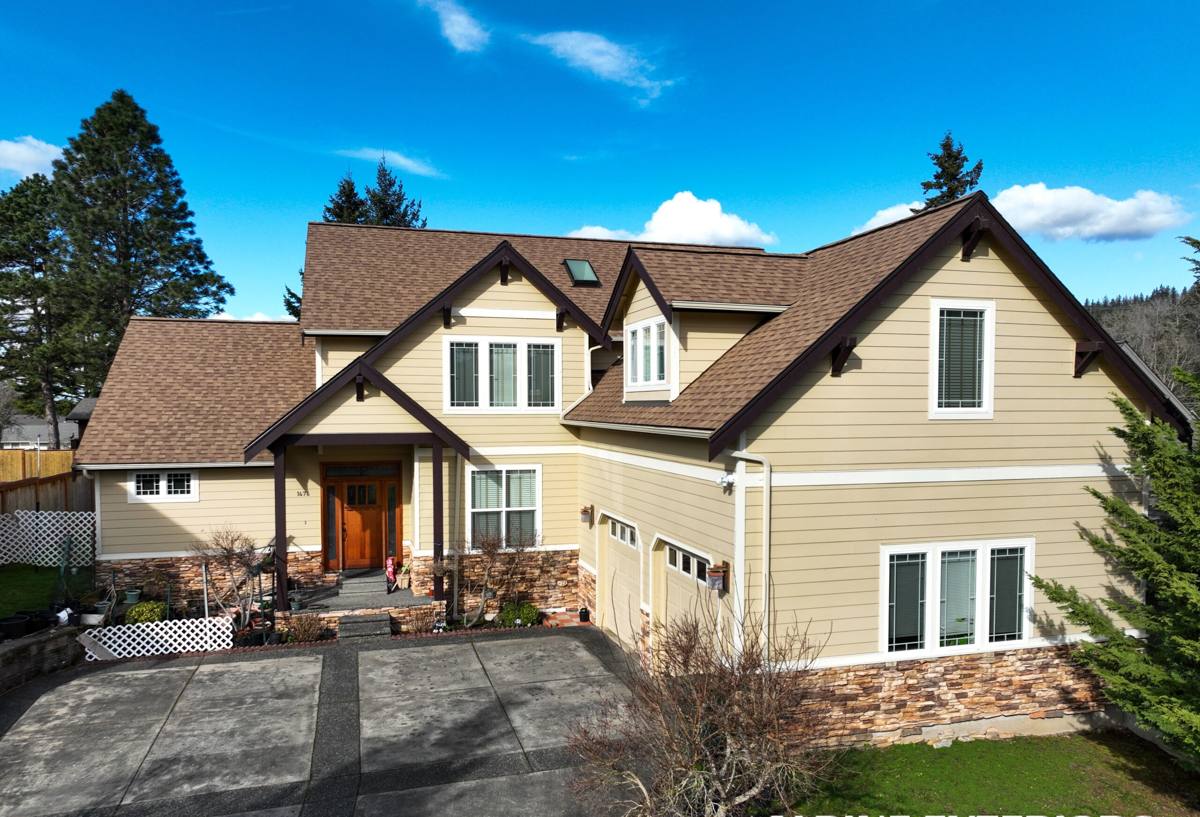
Why the Local Climate Changes the Job
A lot of window replacement advice online is written for a generic climate — someplace with mild winters, low humidity, and short rainy stretches. That's not Whatcom County. Kendall homes deal with sustained wet weather for a large chunk of the year, wind-driven rain that hits window assemblies at an angle instead of straight down, and salt-tinged marine air that speeds up corrosion on hardware, screens, and metal flashing.
The practical result is that details which barely matter elsewhere — flashing sequencing, sill pan design, weep hole placement, sealant choice — matter a great deal here. Skip one of them and the window itself can be perfectly good while the wall around it slowly rots.
Moss and Sustained Moisture
Moss doesn't just grow on roofs. Given enough shade and moisture, it takes hold on window sills, trim boards, and the caulk lines around older frames. Once it's established, it holds water against the wood or vinyl far longer than open air would, which accelerates rot in wood trim and breaks down sealants faster than their rated lifespan. A long moss season means these small failures compound year over year instead of drying out and resetting each summer.
Salt Air and Hardware
Even inland from the coast, prevailing marine air carries enough salt to matter over a decade or two. It shows up first in window hardware — locks, cranks, and hinges that stiffen or corrode — and eventually in exposed metal flashing and screen frames. Replacement windows and flashing components rated for coastal or marine exposure hold up noticeably better than budget-grade parts.
What a Correct Installation Actually Involves
The window unit itself is only part of the job. Most of the failures we get called out to fix in older Kendall homes trace back to installation details, not the window brand. A correct job means the wall assembly around the window is put back together in a way that manages water, not just one that looks finished.
Flashing and Water Management
Every opening needs a sill pan or sloped sill flashing that directs any water that gets past the window back outside the wall, not down into the framing. Flashing tape needs to be layered correctly — each piece overlapping the one below it, shingle-style — so water always sheds outward. This is the single most common thing we find missing or done backwards when we open up an old installation.
Insulation and Air Sealing
The gap between the window frame and the rough opening needs to be filled with a compatible low-expansion foam or backer rod and sealant — not stuffed with fiberglass insulation alone, which does nothing to stop air movement and can actually hold moisture against the frame. Proper air sealing here is a big part of why a new window either fixes a drafty room or doesn't.
Exterior Trim and Sealant
Exterior sealant has to be rated for the temperature swings and constant damp cycling of this climate, and it has to be tooled correctly to shed water rather than trap it. Trim gets reinstalled or replaced with attention to keeping end grain sealed, since exposed end grain is where wood trim starts to fail first.
Choosing a Window Material for Kendall's Conditions
There's no single "best" window material for every home — it depends on your budget, the home's age and style, and how much upkeep you want to do. Here's how the common options actually perform under Whatcom County's wet, moss-prone conditions.
| Frame Material | Moisture Resistance | Maintenance | Typical Fit |
|---|---|---|---|
| Vinyl | Very good — won't rot, resists moss buildup on smooth surfaces | Low — occasional cleaning | Most homes, best value |
| Fiberglass | Excellent — very stable in wet, temperature-swinging climates | Low | Homes wanting a higher-end feel and long service life |
| Wood (unclad) | Poor without diligent upkeep — end grain and joints are vulnerable | High — regular painting/sealing required | Historic homes where original look matters |
| Wood-clad (vinyl or aluminum exterior) | Good on the exterior face, but cladding seams can trap moisture if not detailed well | Moderate | Homes wanting a wood interior look with less exterior upkeep |
We're upfront about trade-offs rather than pushing one brand. Unclad wood windows can look great, but in a climate with this much sustained moisture and moss pressure, they demand a maintenance schedule most homeowners underestimate. If you want a wood interior, cladding done with correctly detailed flashing gets you most of the look without that burden.
Signs a Kendall Home May Need Replacement Now
Not every window problem means full replacement — sometimes it's a repair. But certain signs point to the frame and seal having failed beyond a patch fix, especially in a climate that doesn't give materials much of a break.
- Fogging or moisture trapped between panes (a failed seal on double-pane glass)
- Soft, spongy, or discolored trim or sill wood, especially on north- or shade-facing walls where moss holds moisture longest
- Windows that are difficult to open, close, or lock — often corroded or swollen hardware
- Visible daylight or a noticeable draft around the frame when it's windy
- Paint or finish that's peeling specifically around the window opening rather than the whole wall
- A musty smell in the room nearest the window, which can indicate hidden moisture in the wall cavity
- Condensation forming on the inside of the glass regularly through fall and winter
If you're only seeing one or two of these and the frame is otherwise solid, a repair or reseal may be enough. When several show up together, or when you can see soft wood, that's usually a sign the wall assembly itself needs to be opened up and corrected — which is a replacement job, not a caulk gun job.
Our Process, Start to Finish
- On-site assessment. We look at the existing windows, the condition of the surrounding wall and trim, and how the house is oriented to weather and shade — that tells us where moisture pressure is worst.
- Honest recommendation. We tell you which windows genuinely need replacement, which can be repaired, and what material and options make sense for your budget and how you use the home.
- Written estimate. Clear pricing per opening, no vague allowances, and a straightforward explanation of what's included — flashing, insulation, trim, and disposal of the old units.
- Removal and opening prep. Old windows come out carefully, and we inspect the rough opening for hidden rot or damage before anything new goes in. This is often where we find problems the homeowner didn't know about.
- Correct flashing and sealing. Sill pans, shingle-lapped flashing tape, and proper foam/sealant at the frame — the details covered earlier in this page, done to spec every time.
- New window installation and exterior trim. Set, shimmed, and sealed, with exterior trim finished to shed water rather than trap it.
- Final walkthrough. We check operation, look for gaps or air leaks, and walk the job with you before we call it done.
Energy Performance in a Long Wet Season
Whatcom County winters aren't extreme in temperature, but they're long and consistently damp, and that steady cold-and-wet stretch is where an old, leaky window costs you the most — not in a single cold snap, but month after month of a draft pulling heat out of a room. Modern double- and triple-pane units with quality low-E coatings and properly sealed frames cut that steady heat loss noticeably, and just as importantly, they reduce interior condensation on the glass, which is one of the quieter contributors to window-area mold and trim rot over time.
Why Local Experience Matters
A window that's correctly installed for a dry, mild climate isn't automatically correct for Kendall. Crews that don't regularly work this specific stretch of Whatcom County sometimes under-detail flashing or skip a sill pan because it's "not usually necessary" where they normally work. Around here, it is necessary — the driving rain and moss pressure don't leave much margin for shortcuts. Working in Lynden and the surrounding communities regularly means we've seen how these details play out over years, not just at the final walkthrough.
Keeping New Windows Performing After Install
A correct installation is most of the battle, but a little seasonal attention extends the life of any window in this climate:
- Clear moss and debris from sills and tracks before it has a chance to hold moisture through the wet months
- Rinse salt residue off exterior hardware and frames periodically, especially after storms
- Check exterior caulk lines once a year for cracking or separation and address small gaps early
- Keep gutters and downspouts clear so runoff isn't sheeting directly across window openings
- Operate locks and cranks periodically through the winter so hardware doesn't seize
What Affects Cost
Pricing depends on a handful of straightforward factors rather than a flat per-window rate:
| Factor | Why It Matters |
|---|---|
| Frame material chosen | Vinyl, fiberglass, and clad-wood carry different material costs and labor |
| Number and size of openings | Larger or specialty-shaped windows take more material and time |
| Condition of the existing opening | Hidden rot or framing damage found during removal adds repair scope |
| Access and site conditions | Second-story or hard-to-reach openings take longer to work safely |
| Trim and finish work | Matching existing trim profiles or upgrading exterior finish adds labor |
We won't quote a job without seeing the openings in person — anyone who does is guessing, and guesses tend to turn into change orders later.
If your windows are showing wear, drafts, or moisture damage, we're happy to take a look and give you a straight answer about what's needed. Fill out the form below for a free, no-pressure estimate on window replacement for your Kendall-area home.