 Lynden Siding
 Roofing in Sumas: A Climate That Doesn't Let Up
Sumas sits at the edge of Whatcom County, where Pacific storm systems roll in off the Sound, push through the lowlands, and stall against the foothills. The result is a roofing environment that punishes shortcuts. Homes here deal with long stretches of steady rain rather than short downpours, damp marine air that never fully dries out between storms, and shaded, north-facing roof planes that stay wet for days after a system passes. Add in a moss season that can run from late fall through spring, and it's easy to see why roofs in this part of the county age faster than the manufacturer's brochure suggests.
None of that means a roof here has to fail early. It means the materials, the underlayment system, the ventilation, and the workmanship all have to be matched to what this climate actually does to a house, not to a generic install spec written for a drier region. That's the standard we hold every asphalt shingle roof to when we're working in Sumas.
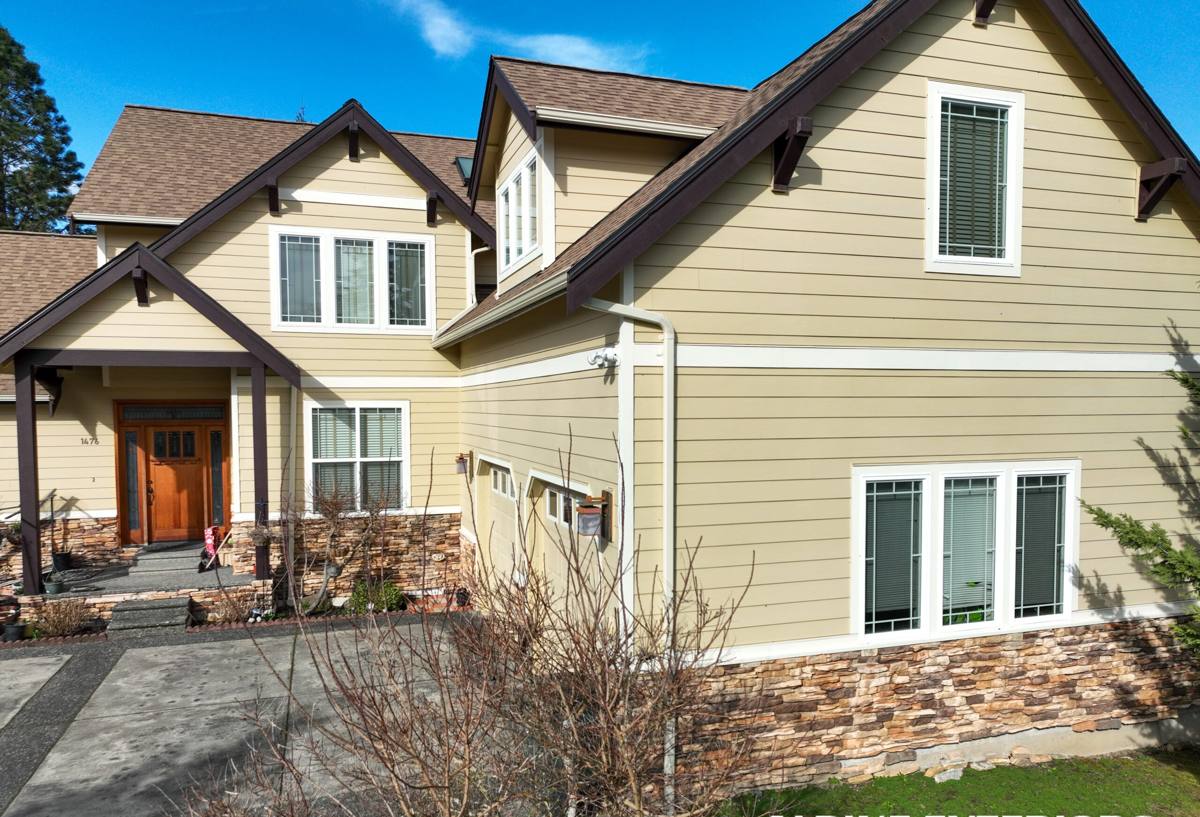
What Driving Rain and Moss Actually Do to a Shingle Roof
It helps to understand the specific failure points before talking about the fix.
Wind-Driven Rain
Storms moving through Whatcom County often bring rain at an angle, not straight down. That drives water sideways under shingle tabs, into nail penetrations, and along valleys and flashing edges — areas that a roof built for calmer weather can get away with under-detailing. Over time, wind-driven rain finds any weak seam in the underlayment or flashing and works it into a leak.
Moss and Organic Growth
Shaded roof planes, tree cover, and consistent moisture are exactly what moss needs to take hold. Once moss establishes itself, it holds water against the shingle surface, lifts tabs as it grows under the edges, and accelerates granule loss. Left unaddressed for a few seasons, moss can shorten a shingle roof's usable life by years.
Marine Air and Metal Fatigue
The moisture-laden air common across the county is harder on exposed metal — nails, flashing, vents, and fasteners — than a dry climate would be. Lower-grade metal components corrode faster here, which is one reason we don't cut corners on flashing and fastener quality even when it adds a modest cost to the job.
What a Correctly Built Shingle Roof Needs Here
A roof that's going to hold up in Sumas needs several things working together — no single product or step compensates for a weak link elsewhere in the system.
- Ice-and-water shield at vulnerable zones: eaves, valleys, and roof-to-wall transitions get a self-adhering waterproof membrane underneath the field underlayment, not just felt paper.
- Synthetic underlayment across the field: a durable, water-resistant layer that holds up during the exposure window between tear-off and shingle installation, which matters when a job spans a rainy stretch.
- Balanced attic ventilation: intake at the eaves and exhaust at the ridge working together, so moist attic air actually moves instead of condensing under the roof deck.
- Corrosion-resistant flashing and fasteners: proper step flashing at walls and chimneys, and fasteners rated to hold up in damp, coastal-influenced air.
- Algae- and moss-resistant shingles on shaded planes, where copper- or zinc-infused granules slow regrowth in the areas that need it most.
- Tight, correct nailing pattern — proper placement matters more here than in dry climates, since an improperly nailed shingle gives wind-driven rain a path in.
Signs a Sumas Roof Needs Attention
Because moss and moisture damage often develop gradually, homeowners tend to notice symptoms well after the underlying problem started. Watch for:
- Dark streaking or green-black growth on north-facing or shaded slopes
- Granules collecting in gutters or at downspout outlets
- Shingle tabs that look lifted, curled, or cupped at the edges
- Soft or spongy feeling roof decking near valleys or eaves (usually found during closer inspection)
- Daylight visible through the attic roof deck, or musty attic odor
- Interior ceiling stains, especially after a stretch of wind-driven rain
Any one of these on its own may not mean a full replacement is needed. But in this climate, small issues compound quickly, so it's worth having them looked at before the next wet season rather than after.
Our Asphalt Shingle Roofing Process
The process is straightforward, but every step is done with the local climate in mind.
1. On-Site Inspection and Assessment
We walk the roof, check the attic for ventilation and moisture issues, and look at flashing, valleys, and any problem areas the homeowner has already noticed. This tells us whether the job is a straightforward re-roof or whether there's deck repair or ventilation work to fold in.
2. Tear-Off and Deck Inspection
Full tear-off lets us see the actual condition of the roof deck — something you can't fully assess from the surface. Any soft, rotted, or delaminated sheathing gets replaced before anything new goes down. Roofing over a compromised deck just hides a problem that gets worse.
3. Waterproofing the Vulnerable Areas First
Ice-and-water membrane goes down at eaves, valleys, and any wall or chimney transitions before the rest of the underlayment. These are the spots wind-driven rain targets first, so they get the strongest protection.
4. Underlayment and Flashing
Synthetic underlayment covers the field, and new step and counter-flashing go in at every wall and roof penetration. We don't reuse old flashing — it's a small material cost against a real leak risk down the road.
5. Shingle Installation
Shingles go down to manufacturer spec with correct nail placement and exposure. On shaded or moss-prone planes, we discuss algae-resistant shingle options with the homeowner before installation, not after.
6. Ventilation Check and Final Walkthrough
We confirm intake and exhaust ventilation are balanced, clean up the site, and walk the finished roof with the homeowner so they know what was done and what to watch for going forward.
Choosing a Shingle for This Climate
Not every shingle product performs the same way under constant moisture and shade. Here's how the common options compare for a Sumas roof specifically:
| Shingle Type | Moisture/Moss Resistance | Typical Lifespan Here | Best Use |
|---|---|---|---|
| Standard 3-tab | Lower — no algae-resistant granules standard | Shorter end of range in shaded areas | Budget-conscious jobs, full-sun roof planes |
| Architectural (laminate) | Moderate to good, especially with algae-resistant option | Solid mid-to-long range with proper ventilation | Most Sumas homes — our most common recommendation |
| Algae-resistant architectural | Best available in asphalt — copper/zinc granules slow regrowth | Longest asphalt option in shaded, damp areas | North-facing slopes, tree-covered lots, chronic moss history |
| Impact-rated shingle | Good, plus added durability against debris/hail | Comparable to architectural, added durability | Homes wanting extra impact protection alongside moisture resistance |
For most Sumas homes, a mid-weight architectural shingle with algae-resistant granules strikes the right balance of upfront cost and long-term performance. We'll walk through the trade-offs for your specific roof — sun exposure, tree cover, and pitch all factor into the right call.
Ventilation: The Step That's Easy to Skip and Costly to Skip
Attic ventilation doesn't show up on the roof surface, which is exactly why it gets overlooked. But in a climate this damp, poor ventilation traps moist air against the underside of the roof deck, which can cause condensation, premature deck deterioration, and even mold — all hidden until someone opens up the attic. Balanced ventilation, intake low and exhaust high, keeps air moving and keeps that moisture from ever building up in the first place. We check this on every roofing job in this area, not just as an add-on.
What Affects the Cost of a Shingle Roof in Sumas
| Factor | Why It Matters |
|---|---|
| Roof size and pitch | More surface area and steeper pitches mean more material and labor time |
| Number of layers to remove | Tear-off of multiple existing layers adds labor and disposal cost |
| Deck condition | Rotted or soft sheathing found during tear-off requires replacement before shingles go down |
| Shingle grade selected | Algae-resistant and heavier architectural shingles cost more than standard 3-tab |
| Flashing and valley complexity | Roofs with multiple valleys, dormers, or chimneys need more detail work |
| Ventilation upgrades | Adding or correcting intake/exhaust vents is worth pricing in if the attic needs it |
Because every one of these varies by house, we don't quote a flat per-square price sight unseen — we walk the roof first so the number reflects your actual roof, not an average.
Why a Crew That Already Works Sumas Makes a Difference
A roofing crew based elsewhere and passing through can install a technically fine roof and still miss the details that matter locally — which planes need algae-resistant shingles because of shade patterns common to this area, how aggressively to detail valleys given the wind-driven rain this part of the county sees, or how much ventilation a typical Whatcom County attic actually needs. We work in Lynden, Sumas, and the surrounding communities regularly, which means we're not guessing at how this climate behaves — we're building roofs to match what we see it do year after year.
It also means we're a known, reachable crew if a question comes up after the job is done, not a name from an out-of-area flyer.
Maintaining Your Roof After Installation
A well-installed roof still benefits from basic upkeep, especially given the moss pressure in this area:
- Keep gutters clear so water isn't backing up under the eaves
- Have moss treated or gently removed before it spreads, rather than after tabs start lifting
- Trim back overhanging branches to reduce shade and debris buildup on the roof surface
- Schedule a visual roof check after major storms, particularly ones with strong wind
- Have your attic ventilation checked if you notice condensation or odor issues
If you're seeing moss, granule loss, or signs of wear on your Sumas home's roof, or you're simply due for a replacement, we're happy to take a look and walk you through what we find. Reach out for a free, no-pressure estimate using the form below.