 Lynden Siding
 Custer's Roofs Take a Different Kind of Beating
Custer sits close enough to the water that salt-laden air is a real factor in how roofing materials age here, and it's far enough inland to catch the full brunt of Whatcom County's wet-season weather rolling in off the water. That combination — salt air, driving rain, and a moss season that can stretch from fall through spring — wears on a roof differently than it would in a drier, inland climate. A roof replacement here isn't just about swapping old shingles for new ones. It's about building a roof system that's specifically set up to shed water fast, resist moss colonization, and hold up to airborne salt without corroding fasteners or flashing before their time.
If you're looking into roof replacement for a home in or around Custer, this page walks through what that actually means in practice — what to look for, what a correct installation involves, and how we approach the job when we're out there.
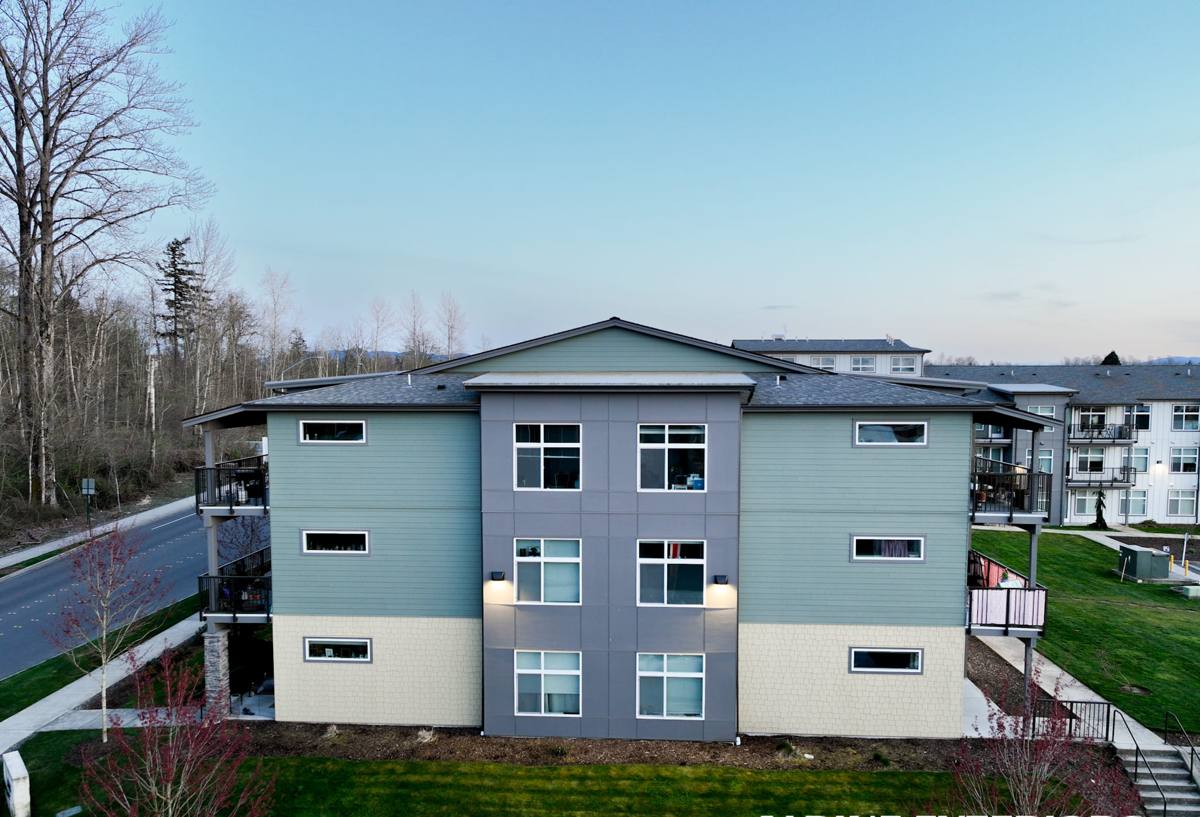
How the Local Climate Actually Affects a Roof
Salt Air and Corrosion
Homes closer to the coast deal with fine salt particles carried on the wind. Over years, that salt accelerates corrosion on unprotected metal — nails, flashing, gutter hardware, and even lower-grade fastener coatings. It doesn't happen overnight, but it's cumulative. A roof built without corrosion-resistant fasteners and flashing in a salt-air zone will show rust streaks, pitted metal, and premature flashing failure well before the shingles themselves are worn out.
Driving Rain
Wind-driven rain doesn't just fall straight down — it gets pushed sideways and upward under laps, around penetrations, and into any gap in the underlayment or flashing. A roof that would be fine in a calm, dry climate can leak here if the underlayment, ice-and-water shield placement, and flashing details aren't done with driving rain specifically in mind.
Extended Moss Season
Whatcom County's damp, shaded conditions give moss a long window to establish itself, especially on north-facing slopes and anywhere tree cover keeps a roof from drying out between rains. Moss isn't just cosmetic — it holds moisture against the roofing material, works its way under shingle edges, and can lift granules and tabs over time, shortening the life of an otherwise sound roof.
Signs a Custer Home Needs a Roof Replacement, Not Another Repair
- Granule loss heavy enough that you're finding grit in gutters and downspouts every season
- Moss or algae staining that comes back within months of cleaning, even after treatment
- Soft or spongy spots underfoot when walking the roof, suggesting deck damage underneath
- Rusted, pitted, or lifting flashing around chimneys, vents, and valleys
- Daylight visible through the attic decking, or damp insulation after wind-driven rain
- Shingles that are curling, cracking, or missing tabs across multiple slopes rather than one isolated spot
- A roof already past 20-25 years old with no major work done, regardless of how it looks from the ground
One or two of these on their own might mean a repair is enough. Several at once, or any sign of deck damage, usually means the roof system as a whole has reached the point where a patch is just delaying the inevitable and spending money that won't carry forward into the new roof.
What a Correct Roof Replacement Involves Here
A roof replacement built for this climate isn't a different roof than what you'd install anywhere else — it's the same core system, done with more attention to the details that matter most given salt air, rain, and moss. That includes:
Tear-Off and Deck Inspection
We remove the old roofing down to the deck rather than layering over it. That's the only way to actually see what's underneath — soft spots, old leaks, rot around penetrations — and address it before it's covered up again for another 20-plus years.
Ice-and-Water Shield and Underlayment
Given how much wind-driven rain this area sees, we pay close attention to underlayment coverage and self-adhering membrane placement at eaves, valleys, and around every penetration — the spots where wind-driven rain finds its way in.
Corrosion-Resistant Flashing and Fasteners
In a salt-air zone, the metal components matter as much as the shingles. Flashing and fasteners rated for corrosion resistance cost a little more up front and save you from premature flashing failure down the line.
Ventilation
Proper intake and exhaust ventilation keeps the attic dry and temperature-balanced, which helps prevent the condensation and moisture buildup that speeds up moss growth and deck rot from the underside.
Moss-Resistant Details
Where it fits the home and budget, we'll talk through options like zinc or copper strips near ridges, which help suppress moss regrowth on the slopes most prone to it, and we'll flag which parts of the roof are the highest moss risk based on shade and slope.
Roofing Material Comparison for This Climate
| Material | Moss & Moisture Behavior | Salt-Air Durability | Typical Lifespan Here |
|---|---|---|---|
| Architectural asphalt shingles | Good when ventilation and gutter maintenance keep up; moss-resistant granule options available | Good, provided flashing/fasteners are corrosion-resistant | 20-30 years |
| Standard 3-tab shingles | More prone to early granule loss and moss lift than architectural shingles | Fair — lower-grade fasteners are the weak point | 15-20 years |
| Standing seam metal | Excellent — sheds water and moss finds little to hold onto | Very good with coastal-rated coatings and fasteners | 40-plus years |
| Cedar shake | Higher moisture and moss risk without diligent upkeep; needs regular treatment in this climate | Fair, and hardware still needs to be corrosion-resistant | 20-30 years with maintenance |
We don't push one material on every home — the right choice depends on your roof's pitch, shading, budget, and how much upkeep you want to plan for. What we won't do is install a system without accounting for the moisture and salt exposure specific to this area, regardless of which material you choose.
Our Process, Start to Finish
- On-site inspection. We walk the roof and attic, check for deck damage, ventilation issues, and moss patterns specific to your property's shade and slope.
- Honest scope and estimate. You get a clear breakdown of what needs replacing, what materials we recommend and why, and what it costs — no vague allowances that turn into surprise change orders.
- Tear-off and deck repair. Old roofing comes off, the deck gets inspected, and any soft or rotted sections are replaced before anything new goes down.
- Underlayment, flashing, and ventilation. This is where the climate-specific details happen — ice-and-water shield placement, corrosion-resistant flashing, and balanced ventilation.
- Installation. Materials go down to manufacturer spec, with the fastening patterns and flashing details that matter most for wind-driven rain.
- Cleanup and final walkthrough. Site cleared, gutters checked, and we walk the finished roof with you before calling it done.
What Affects the Cost of a Roof Replacement in Custer
| Factor | Why It Matters |
|---|---|
| Roof size and pitch | More surface area and steeper pitches mean more material and more labor time |
| Deck condition | Rot or soft spots found during tear-off require repair before new roofing goes down |
| Material choice | Standard shingles, architectural shingles, and metal carry different material and install costs |
| Number of penetrations and valleys | Chimneys, skylights, and multiple valleys each need extra flashing work |
| Tree cover and shading | Higher moss risk on shaded slopes may call for added moss-resistant details |
| Ventilation upgrades | Adding or correcting intake/exhaust ventilation adds some cost but protects the investment |
Every roof is different, so we don't quote sight-unseen prices — but we're upfront that the driving factors are almost always deck condition, roof complexity, and material choice, not anything hidden.
Why It Matters to Hire a Crew That Already Works in Custer
A contractor who works this area regularly already knows which slopes tend toward heavy moss, how much wind-driven rain a given exposure typically takes, and which flashing and fastener grades hold up over time versus which ones don't. That's not something you get from a generic roofing crew passing through from out of the region — it comes from doing this work, on homes like yours, in this specific stretch of Whatcom County, season after season. It also means we're not guessing at what "built for this climate" means in the abstract — we're applying what we've actually seen work and not work on roofs near yours.
Ready for a Straightforward Estimate?
If your roof is showing wear, dealing with recurring moss, or is simply old enough that it's worth a second look, we're happy to come take a look and give you an honest read on where things stand. Use the form below to request a free, no-pressure estimate — we'll walk the roof, answer your questions, and give you a clear picture of what a correct replacement would involve for your home.