 Lynden Siding
 Roof Repair in Abbotsford, Handled by a Crew That Already Knows This Corridor
Abbotsford sits just across the line from Lynden, close enough that our crews can often be on a roof there the same week we're finishing a job in Whatcom County. That proximity matters for roof repair specifically — a leak doesn't wait for a contractor to drive in from a bigger city, and a roof that's actively letting water in needs someone who can look at it soon, not two weeks from now. We've built our roof repair process around how Fraser Valley homes actually age: slow moisture damage, moss buildup, and the wear that comes from a long wet season, rather than treating every call as a generic patch-and-go.
This page is about roof repair specifically, not a full tear-off, not siding, not gutters as a standalone project. If your roof has a leak, damaged or missing shingles, failing flashing, or visible wear and you're in Abbotsford, here's what's worth knowing before you call anyone out.
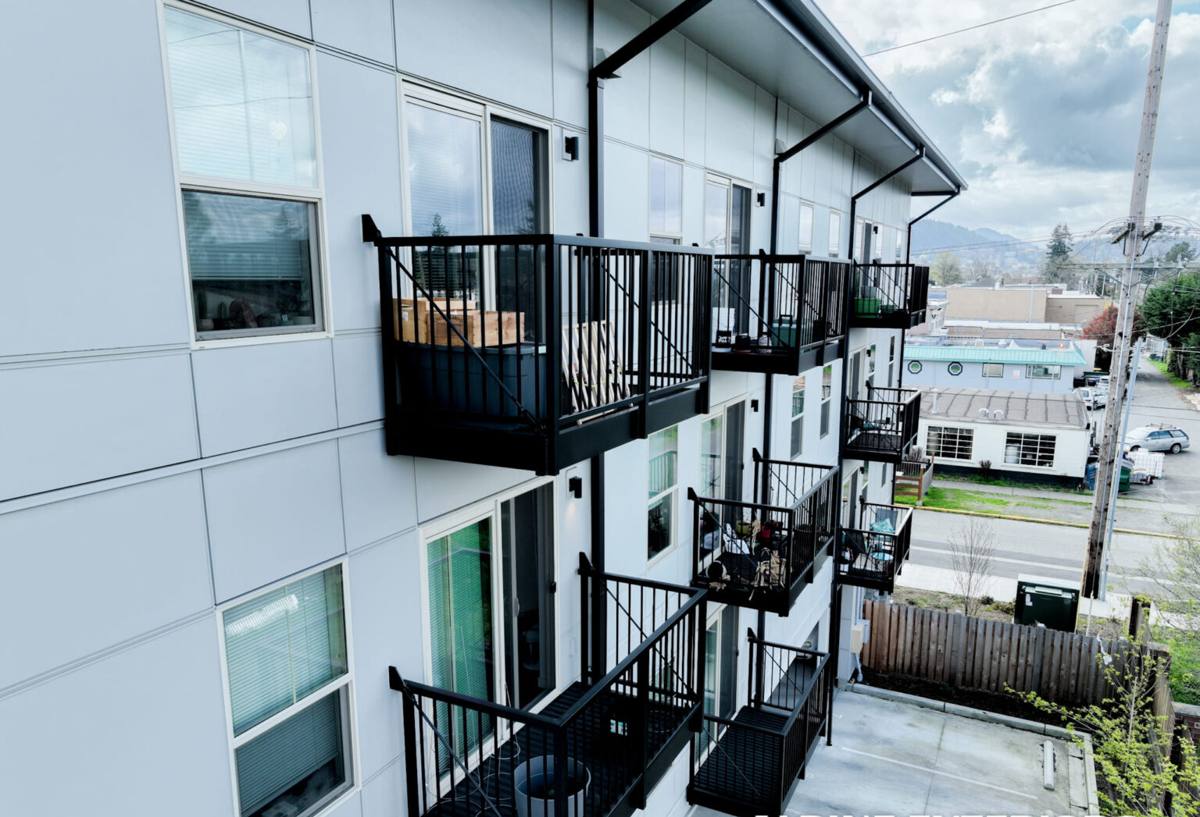
What the Local Climate Does to a Roof
Abbotsford and the surrounding Fraser Valley see much of the same weather pattern as Whatcom County: long stretches of steady, driving rain from fall through spring, humid air moving in off the coast, and short but forceful wind events that funnel through the valley a handful of times a year. None of it is unusual for the region, but it adds up on a roof in predictable ways over time.
Sustained Rain, Not Just Storms
It's rarely one big storm that causes a leak — it's months of steady rain finding the one spot where flashing has lifted, a fastener has backed out, or a shingle edge has curled. Roofs here carry a near-constant moisture load for a good part of the year, so small defects turn into active leaks faster than they would in a drier climate.
A Long Moss Season
Shaded slopes, north-facing roof planes, and anywhere debris collects will grow moss in this climate, often within a couple of years of a roof being cleaned. Moss holds moisture against the shingle surface, lifts shingle edges as it spreads, and works its way under flashing over time. Left through a full moss season, it does real structural damage to the shingle mat, not just cosmetic staining.
Wind and Salt-Tinged Air
Wind coming through the Fraser Valley doesn't usually tear off a whole section of roof — it lifts a corner, works a shingle loose, or peels back a ridge cap, and that gap is all water needs to find its way in. The driving rain that follows those wind events tends to arrive at an angle, which pushes moisture into places a roof was never designed to handle from straight-down rain alone. The region's moisture-laden, salt-tinged coastal air is also hard on lower-grade metal flashing, fasteners, and roof vents, which corrode faster here than they would further inland.
Common Roof Repair Issues We See in Abbotsford Homes
Every roof is different, but the repair calls we get in this area follow a consistent pattern:
- Wind-lifted or missing shingles, usually along ridges, rakes, and exposed corners
- Flashing failures around chimneys, skylights, and roof-to-wall transitions
- Moss-damaged or moss-lifted shingles on shaded or north-facing slopes
- Valley leaks where two roof planes meet and debris collects
- Clogged or damaged gutters that push water back up under the roof edge
- Nail pops and sealant failure on older asphalt roofs
- Skylight and vent pipe boot leaks, often mistaken for a roof deck problem
Most of these start small and stay invisible from the ground. By the time a ceiling stain shows up inside, water has usually been getting past the roofing surface for a while — which is why we look at the whole roof during a repair call, not just the spot the homeowner points at.
What a Correct Repair Actually Involves
Diagnosis Before Any Patching
A leak's entry point and the spot where water shows up inside the house are often not the same place — water can travel along the underlayment or framing before it drips somewhere visible. A correct repair starts with tracing the leak to its actual source, checking flashing, valleys, penetrations, and shingle condition around the affected area, not just slapping sealant on the first suspicious spot.
Matching Materials and Technique
Repairs should tie into the existing roof correctly: matching shingle profile and, where possible, color; weaving new shingles into old courses the right way; and using fasteners and flashing rated for the exposure. A repair that doesn't match the surrounding roofline properly can leave a new weak point right next to the one that was just fixed.
Flashing and Sealing Done Right
Most roof leaks in this region trace back to flashing, not the shingle field itself. Chimney flashing, valley flashing, and step flashing along walls all need to shed water in layers, not rely on caulk or sealant as the primary barrier. Sealant has its place, but it's a backup, not a fix — a repair that depends on caulk alone is a repair that will need to be redone.
Repair or Replace? Weighing the Factors
Not every roof problem calls for a repair, and not every roof problem calls for full replacement. The right call depends on the roof's age, how widespread the damage is, and what's actually failing.
| Factor | Leans Toward Repair | Leans Toward Replacement |
|---|---|---|
| Roof age | Well within expected lifespan | At or past typical service life for the material |
| Extent of damage | Isolated to one section or feature | Spread across multiple slopes or the whole roof |
| Shingle condition nearby | Surrounding shingles are still flexible and granulated | Widespread curling, cracking, or granule loss |
| Cause | A single event — wind damage, one failed flashing point | Systemic wear from age or long-term moisture exposure |
| Underlying deck | Deck is sound where exposed | Soft spots, rot, or repeated leaks in the same area over years |
When we're on-site, we'll tell you plainly which category your roof falls into, and we won't recommend a full replacement when a targeted repair will genuinely hold up. If a roof is close to the line, we'll walk through the trade-offs with you rather than push toward the bigger job.
Our Process for Abbotsford Roof Repairs
- Inspection. We look at the reported problem area and the rest of the roof, since one visible leak often points to a second developing issue nearby.
- Written estimate. You get a clear scope and price before anything happens — no vague verbal quotes.
- Scheduling. Since we're crossing the border to get to Abbotsford jobs, we batch and plan visits so timing stays predictable rather than open-ended.
- The repair. Materials matched to your existing roof, flashing done in proper layers, and cleanup that doesn't leave nails and shingle scraps in your yard or gutters.
- Follow-up. If a repair doesn't fully resolve the issue through the next round of weather, we come back and make it right.
Why a Lynden-Based Crew Makes Sense for Abbotsford Homeowners
Roof repair is a trade where local knowledge shows up in the details — how moss behaves on a north-facing slope in this specific climate, which flashing details actually hold up against Fraser Valley wind, how long a repair has before the next wet season tests it. A crew that works this corridor regularly has already seen how roofs in this area fail, which means less guesswork and fewer callbacks.
Being based in Lynden also means we're a short drive across the border rather than a multi-hour trip from a larger metro area. That translates into faster response for leak calls, more flexibility to fit in a follow-up visit, and a crew that isn't stretched thin across a huge service radius. We handle the logistics of getting crew and materials across the border ourselves — that's not something a homeowner needs to think about or plan around.
One practical note: reroofing or repair work in Abbotsford may fall under City of Abbotsford permit rules depending on the scope, particularly for larger sections or structural work. It's worth a quick check with the local building department before major work starts, and we're glad to help you figure out what, if anything, applies to your specific job.
Signs You Need a Roof Repair Call
Some roof problems are obvious. Others sit quietly for a season or two before they turn into a real leak. Watch for:
- Ceiling stains, especially ones that reappear after rain rather than staying static
- Shingles that are curling, cracking, or visibly missing granules
- Moss buildup thicker than a light surface film, especially on shaded slopes
- Sagging or uneven spots along the roofline
- Daylight visible through the attic roof deck or soffit area
- Granules collecting in gutters or at downspout outlets
- Flashing that looks lifted, rusted, or separated from the roof surface
- A noticeable increase in attic humidity or musty smell after wet weather
Any one of these on its own isn't necessarily an emergency, but it's worth having someone look before the next wet season turns a small issue into a bigger one.
Get a Straight Answer on Your Roof
If you're in Abbotsford and dealing with a leak, damaged shingles, or a roof that's just due for a look, we're happy to come take a look and give you an honest read on what it actually needs — repair, monitoring, or something more. The estimate is free, there's no pressure attached to it, and you'll get a clear answer either way. Use the form below to get in touch.