 Lynden Siding
 New Roof Installation for Abbotsford, BC — Built for This Corner of the Northwest
Abbotsford sits just across the international line from Whatcom County, close enough that the drive from Lynden to the Sumas-Huntingdon crossing and up into the Fraser Valley takes about the same time as a trip across town. It's also close enough that the weather doesn't know there's a border there. The same marine air that moves in off the Strait of Georgia and pushes up the valley brings the same driving rain, the same long stretch of mild, damp months that keep moss growing on shaded roof planes almost year-round, and the same corrosive salt-tinged air that shortens the life of cheap fasteners and flashing. A roof built for a drier inland climate, or one installed without those specific conditions in mind, tends to show problems in Abbotsford on the same accelerated timeline it does anywhere else in this region.
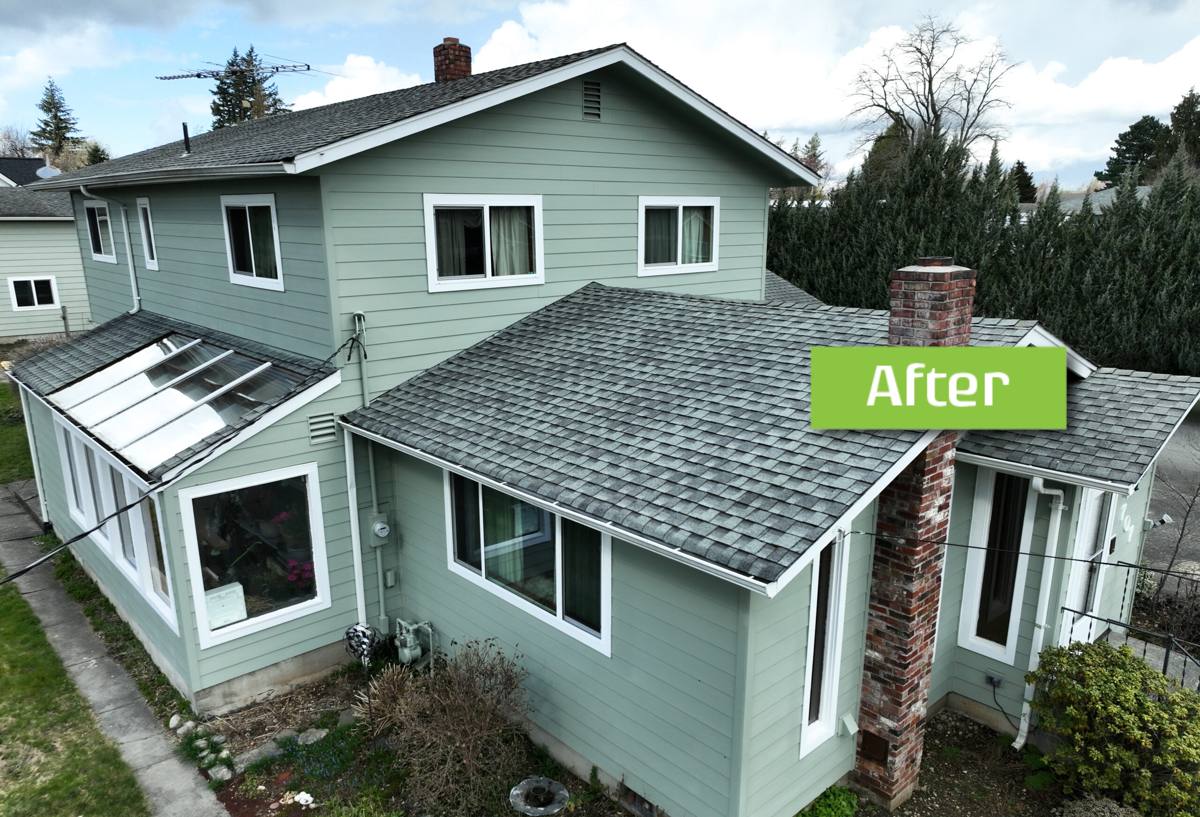
Lynden Siding Installer works on siding, roofing, windows, and decks, and we treat a new roof installation as a system — not just a stack of shingles — because that's the only way a roof actually holds up to a Pacific Northwest wet season year after year. This page covers what a correct new roof installation looks like specifically for homes in the Abbotsford area, and what to expect from a crew that already knows this climate.
What This Climate Does to a New Roof
Moss and Algae on Shaded Slopes
North-facing roof planes, roofs under mature trees, and low-slope sections that don't get direct sun hold moisture longer than the rest of the roof. Over a few wet seasons that turns into visible moss, and moss isn't just cosmetic — it holds water against the roofing surface, works under shingle tabs and laps, and can lift material over time if a homeowner never gets up there to clear it. A new roof installed with moss-resistant materials and proper attic ventilation starts that clock much further back than one installed without those details.
Wind-Driven Rain
Rain in the Fraser Valley doesn't reliably fall straight down. Wind pushes it sideways into valleys, around chimneys and vent penetrations, and up under poorly lapped shingle courses or thin flashing. That's a heavier, more directional moisture load than a simple annual rainfall number suggests, and it's exactly where a new roof needs real underlayment and flashing detail rather than the bare minimum.
Salt Air and Corrosion
Even well inland of open saltwater, marine air carries enough salt to accelerate corrosion on standard fasteners, flashing, and any exposed metal on a roof. Standard galvanized hardware can start losing holding power years before the roofing material itself is due for replacement. It's a detail that's easy to skip on a bid and expensive to have skipped once it shows up as rust streaks and loosening fasteners a decade in.
Temperature Swings and Material Fatigue
This area doesn't see extreme heat or deep cold most years, but the repeated cycle of damp, mild days punctuated by the occasional sharp cold snap still stresses roofing materials over time. Shingles that stay saturated more often than they fully dry age faster than the same product would in a drier region, which is part of why material choice and installation detail matter more here than the sales sheet suggests.
Roofing Materials: What Actually Holds Up in Abbotsford
There's no single best material for every home — it depends on roof pitch, how much shade the roof gets, budget, and how long you plan to stay in the house. Here's the honest comparison we walk homeowners through.
| Material | Moss & Moisture Behavior | Typical Maintenance | Realistic Lifespan Here |
|---|---|---|---|
| Architectural asphalt shingle | Good with proper ventilation and algae-resistant granules | Periodic moss removal, gutter checks | 20-30 years |
| Standing seam metal | Sheds water and moss well; smooth surface resists buildup | Low; occasional fastener and sealant checks | 40-60 years |
| Cedar shake | Absorbs moisture readily; needs airflow underneath to dry out between rains | Higher; regular treatment and moss control | 20-30 years with consistent upkeep |
| Composite/synthetic shingle | Resists moisture absorption; performance varies by manufacturer | Low to moderate | 30-50 years depending on product |
We'll walk through which option fits your roof's pitch, sun exposure, and budget rather than defaulting to whatever's easiest to sell. A steep, sun-exposed roof and a low-slope roof shaded by mature trees don't call for the same answer, and neither does a home with a lot of roof-to-wall intersections versus a simple rectangular footprint.
What a Correct New Roof Installation Actually Involves
Most roof failures in this climate don't start with bad shingles — they start with shortcuts underneath the shingles that don't show up for years. A correct installation, on every job, includes:
- Full tear-off to bare decking, not a roof-over, so decking condition can actually be inspected and repaired where needed
- Decking replacement wherever the old sheathing is soft, delaminated, or water-stained — priced per sheet, not guessed at
- Self-adhered ice-and-water shield at eaves, valleys, and all penetrations, where wind-driven rain does the most damage
- A full synthetic underlayment across the whole roof, not a minimal-code layer
- Corrosion-resistant fasteners and flashing throughout, sized for this region's marine air
- Balanced intake and exhaust attic ventilation, which slows moisture buildup and premature decking rot
- Proper flashing at every chimney, vent pipe, and roof-to-wall transition — the single most common leak point on an otherwise sound roof
None of these are upsells. On a roof that's meant to actually last through decades of this climate, they're the baseline.
How Our Process Works
- Inspection and estimate. We look at the existing roof, decking access points, ventilation, and any trouble spots the homeowner has already noticed, and put together a written estimate that spells out material, scope, and any decking allowance.
- Material selection. We go over the realistic trade-offs between materials for your specific roof, not a generic recommendation.
- Scheduling around weather. New roof installation goes faster and safer in a dry weather window, and in this climate that means planning around the forecast rather than a fixed calendar date.
- Tear-off and decking repair. Old roofing comes off down to bare decking, and any damaged sheathing gets shown to the homeowner and replaced before anything new goes on.
- Underlayment, flashing, and ventilation. This is where the roof's real durability gets built — before a single shingle or panel is visible.
- Final installation and cleanup. Materials go on to manufacturer spec, the site gets cleared of debris and fasteners, and we walk the finished roof with the homeowner.
Signs You Need a New Roof, Not Another Repair
Repair makes sense for isolated damage on an otherwise sound roof. A full new installation makes more sense once a roof is showing systemic problems rather than a single fixable issue.
- Granule loss heavy enough that shingles look bare or patchy across large sections, not just one spot
- Soft or spongy decking felt when walking the attic or noticed from inside during a rainstorm
- Curling, cupping, or cracked shingles across multiple roof planes rather than one isolated area
- Persistent moss or algae that keeps coming back within a season or two of cleaning
- A roof already at or past two layers of shingles, which Washington and BC building code generally don't allow to be roofed over again
- Daylight visible through the roof deck from inside the attic, or repeated leaks in different spots after past repairs
Why a Crew That Already Works Abbotsford Matters
Roofing crews that treat every job as a one-off tend to reach for whatever underlayment, fasteners, and ventilation approach they'd use anywhere, because they're not thinking about this specific climate every day. A crew that regularly works this stretch of the border — Whatcom County on one side, the Fraser Valley on the other — already knows which roof details matter here and which corners get expensive to have cut later. That familiarity also means straightforward scheduling and site logistics for homes in and around Abbotsford, without the guesswork of a crew learning the area's weather patterns on your job.
Cost Factors on a New Roof Installation
Every roof is priced from its own combination of size, pitch, complexity, decking condition, and material choice — there's no single number that applies to every house. The factors below are what actually move a written estimate up or down.
| Factor | Why It Matters |
|---|---|
| Roof size (measured in squares) | Sets the baseline for both material and labor cost |
| Pitch and roof complexity | Steep or multi-valley roofs take longer and require more flashing and detail work per square |
| Number of existing layers | A roof already roofed over once means a full tear-off, which adds labor and disposal cost |
| Decking condition | Can't be fully assessed until tear-off is underway; a fair estimate includes a stated allowance |
| Material choice | Asphalt, metal, and composite options carry different upfront and lifetime costs |
| Site access | Steep driveways, difficult roof access, or limited staging space add labor time |
A reliable number comes from an in-person look at your specific roof, not a generic per-square estimate pulled off the internet. We'll walk you through exactly what's driving your number before any work starts.
If you're weighing repair against a full new roof installation, or just want an honest read on where your current roof stands, we offer free, no-pressure estimates for homes in and around Abbotsford. Use the form below to get started — there's no obligation, and no pressure to decide on the spot.