 Lynden Siding
 What Maple Falls Homes Are Up Against
Maple Falls sits in the wooded foothills of Whatcom County, in the shadow of the Cascades and the Mount Baker corridor. That setting is beautiful, but it's also hard on a house. Tree cover means more shade and less drying time after a storm. Elevation and proximity to the mountains mean more rain days, heavier saturation, and a longer stretch of the year where wood, siding, and trim simply don't get a chance to dry out between weather systems. Add in the humidity that settles into low-lying, tree-shaded lots and you get a near-constant moss and algae season that can run from fall through spring.
Across Whatcom County generally, homes also deal with driving rain that gets pushed sideways by wind off Puget Sound and the Fraser Valley, and in some pockets, salt-laden air that accelerates corrosion of fasteners and trim. Whether a Maple Falls property sits deep in the trees or closer to open exposure, the common thread is the same: siding here needs to shed water fast, resist moisture absorption, and hold up under shade and organic growth pressure that a drier climate never has to deal with.
That's the lens we use on every Maple Falls estimate. It's not a generic "replace old siding" conversation — it's a conversation about what will actually survive this specific microclimate for the next 30-plus years.
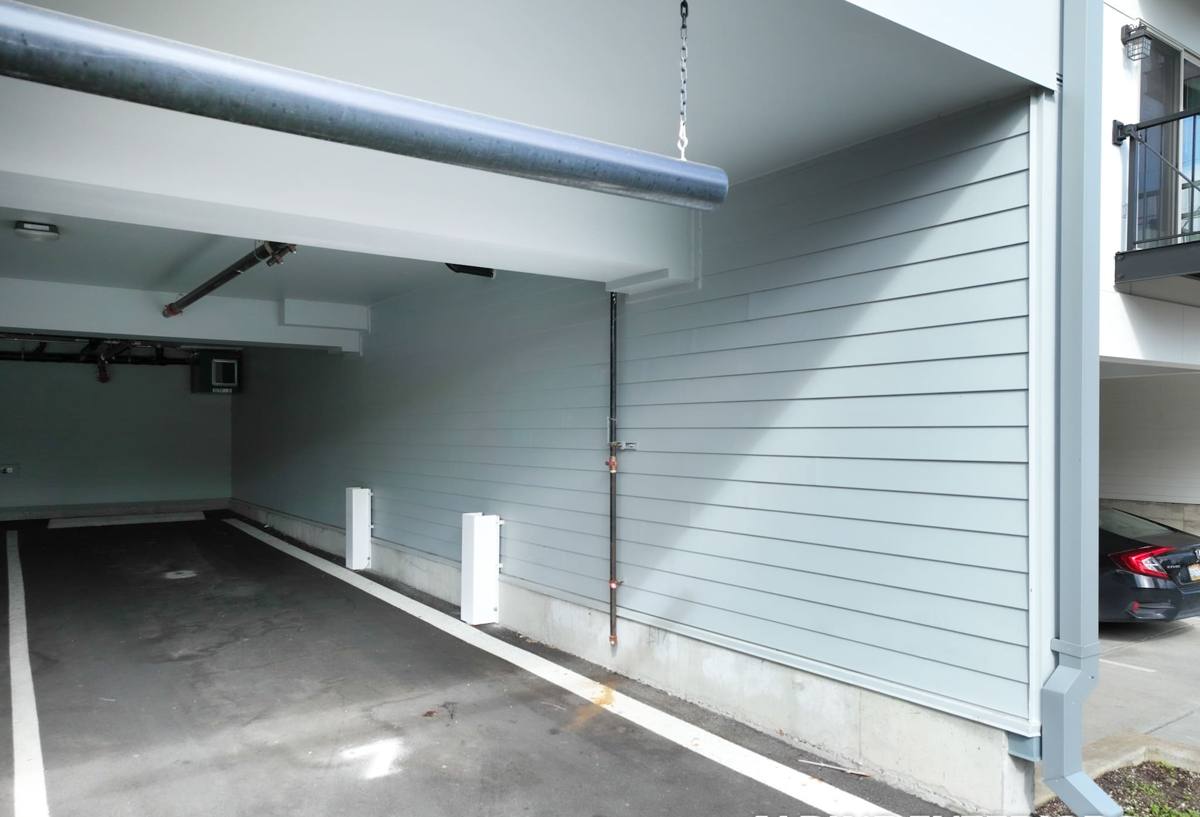
What "Correct" Siding Installation Actually Means Here
Siding installation is not just fastening boards to a wall. In a wet, shaded climate like Maple Falls, the water management system behind the siding matters as much as the siding itself. A correct install includes:
- A continuous, properly lapped weather-resistant barrier (WRB) installed shingle-style so water is always directed outward and down, never trapped behind the cladding
- Correctly flashed windows, doors, and any wall penetrations, with head flashing that sheds water away from the opening instead of into it
- A minimum clearance gap between siding and grade, decks, patios, and roof lines so splash-back and standing moisture can't wick into the bottom edge of the boards
- Rain-screen or drainage detailing where the wall assembly calls for it, so moisture that does get behind the cladding has somewhere to go
- Fastener placement, spacing, and type that match the manufacturer's engineering — not "close enough," which is one of the most common corner-cuts we see on failed jobs
- Caulking and sealant used only where the manufacturer specifies it, not as a substitute for proper flashing
Skip any one of these and the siding itself can be flawless and the wall assembly will still fail early — usually as hidden rot behind the boards long before anything looks wrong from the curb.
Why We Install Only James Hardie Fiber Cement
We standardized on James Hardie fiber cement siding for every home we work on, including Maple Falls, and we don't install vinyl, LP SmartSide, primed wood, or cedar. That's a deliberate choice, not a limitation. Fiber cement doesn't absorb water the way wood-based siding does, so it doesn't swell, cup, or feed the kind of sustained moss and mildew growth that a shaded, damp lot promotes. It's non-combustible, which matters in a wildfire-aware region like the foothills near Mount Baker. And Hardie's ColorPlus factory finish is baked on under controlled conditions, so it holds color and resists the fading and touch-up cycle that field-painted siding goes through in a climate that limits good painting weather to a few months a year.
We're not going to tell you every other product is bad — vinyl and engineered wood both have real use cases. But for the rain load, shade, and moss pressure a Maple Falls home deals with year-round, we've seen fiber cement outperform them by a wide margin over a 20- to 30-year window, and we'd rather stand behind one product we trust completely than offer three we have reservations about.
Choosing the Right Hardie Line for a Shaded, Wet Lot
James Hardie's HZ5 product line is engineered specifically for climates like the Pacific Northwest — freeze-thaw cycling, sustained moisture, and high humidity. For a heavily treed Maple Falls property, we also pay close attention to:
Panel and Plank Profile
Lap siding remains the most common and most weather-tested choice, but on homes with significant roof overhang or covered porches — areas naturally more shaded and slower to dry — we'll sometimes recommend a smoother panel profile paired with more aggressive trim detailing to reduce the horizontal ledges where moss and debris tend to collect.
Color Selection for Shade
Darker ColorPlus tones can look striking against evergreen tree lines, but they also show pollen, moss spotting, and water streaking faster than mid-tone or lighter colors on a shaded lot. We'll talk through this trade-off honestly during the estimate rather than let a homeowner find out the hard way after a season under the trees.
Trim and Fastener Corrosion Resistance
Whatcom County's moisture and, in some areas, salt exposure make fastener choice a real durability factor, not a minor spec. We use corrosion-resistant fasteners rated for the exposure category of the specific site, not a one-size-fits-all fastener across every job.
Our Installation Process for Maple Falls Properties
- On-site assessment — We walk the property, checking tree cover, drainage patterns, existing moisture or moss damage, and how water currently moves around the foundation and roofline.
- Tear-off and substrate inspection — Old siding comes off and the sheathing underneath gets inspected for rot, soft spots, or prior water intrusion before anything new goes up. Damaged sheathing is never covered over.
- Weather barrier and flashing installation — A new WRB is installed shingle-lapped, with flashing detailed at every window, door, and penetration.
- Hardie installation to manufacturer spec — Correct fastener spacing, clearances at grade and hard surfaces, and joint treatment per James Hardie's published installation guidelines.
- Trim, caulking, and touch-up — Finish trim goes on, ColorPlus touch-up is applied only where the manufacturer allows, and the site is cleaned of debris and old material.
- Final walkthrough — We walk the finished job with the homeowner, point out water-management details built into the wall, and cover basic care going forward.
Cost Factors on a Maple Falls Job
Every property is different, but the same handful of variables drive cost on most siding jobs in this area:
| Factor | Why It Matters Here |
|---|---|
| Existing siding removal and disposal | Wood or wet, moss-damaged siding often weighs more and takes longer to strip than dry vinyl |
| Sheathing repair | Shaded, damp lots have a higher chance of hidden rot found once old siding is off |
| Home access and tree clearance | Wooded Maple Falls lots sometimes need extra staging or limb clearance for safe scaffolding |
| Trim and flashing complexity | Homes with multiple rooflines, porches, or dormers need more flashing detail labor |
| Product line and profile | HZ5 lap versus panel versus specialty trim carries different material costs |
| Color | Standard ColorPlus colors versus custom or premium finishes affect material pricing |
We'll break these out specifically for your property during the estimate rather than quoting a flat per-square-foot number that doesn't reflect what your home actually needs.
Signs Your Current Siding Is Past Its Job
- Persistent moss or algae that returns within weeks of cleaning
- Soft, spongy, or visibly swollen sections, especially near the bottom courses or under windows
- Paint that's peeling or bubbling repeatedly in the same spots year after year
- Visible gaps, warping, or boards pulling away from the wall
- A musty smell or noticeable temperature difference near exterior walls, which can point to moisture behind the siding
- Siding that's original to a home built more than 20-25 years ago, particularly wood-based products
Any one of these on its own isn't necessarily an emergency, but a few of them together usually mean the wall assembly is losing the fight against moisture, and it's worth having someone look before it turns into a sheathing repair.
Why a Crew That Already Works in Maple Falls Matters
Installing siding correctly requires understanding the specific site — how much shade a lot gets, how water moves across that particular piece of ground, what the tree cover does to drying time, and where driving rain tends to hit hardest on a given exposure. A crew that's worked repeatedly in the Maple Falls area already understands these patterns instead of learning them on your home for the first time. That familiarity shows up in the details: where extra flashing gets added, which color choices actually hold up under heavy tree cover, and how clearances get set on a lot with real drainage challenges. It's the difference between a technically correct installation and one that's actually built for the property it's on.
If your Maple Falls home needs new siding or you're not sure whether what's on the walls now is doing its job, we're happy to take a look. Reach out for a free, no-pressure estimate using the form below.