 Lynden Siding
 Siding Replacement in Laurel: Built for What Whatcom County Actually Throws at a House
Laurel sits in the farmland north of Lynden, close enough to the Nooksack lowlands and the marine air moving in off Puget Sound and the Strait of Georgia that homes here take a different kind of beating than a house forty miles inland. Salt-laden air, wind-driven rain off open fields, and a moss season that can run from October into May are the three things we look for first when we walk a Laurel property for a siding replacement. Siding here isn't just a cosmetic upgrade — it's the one layer standing between a wood-framed house and a climate that stays wet, cool, and salty for most of the year.
This page is specifically about replacing siding on homes in and around Laurel. We're not going to give you a generic national article about siding — we're going to walk through what this specific climate and this specific area demand, what a correct replacement job looks like, and how our process works when we take on a Laurel home.
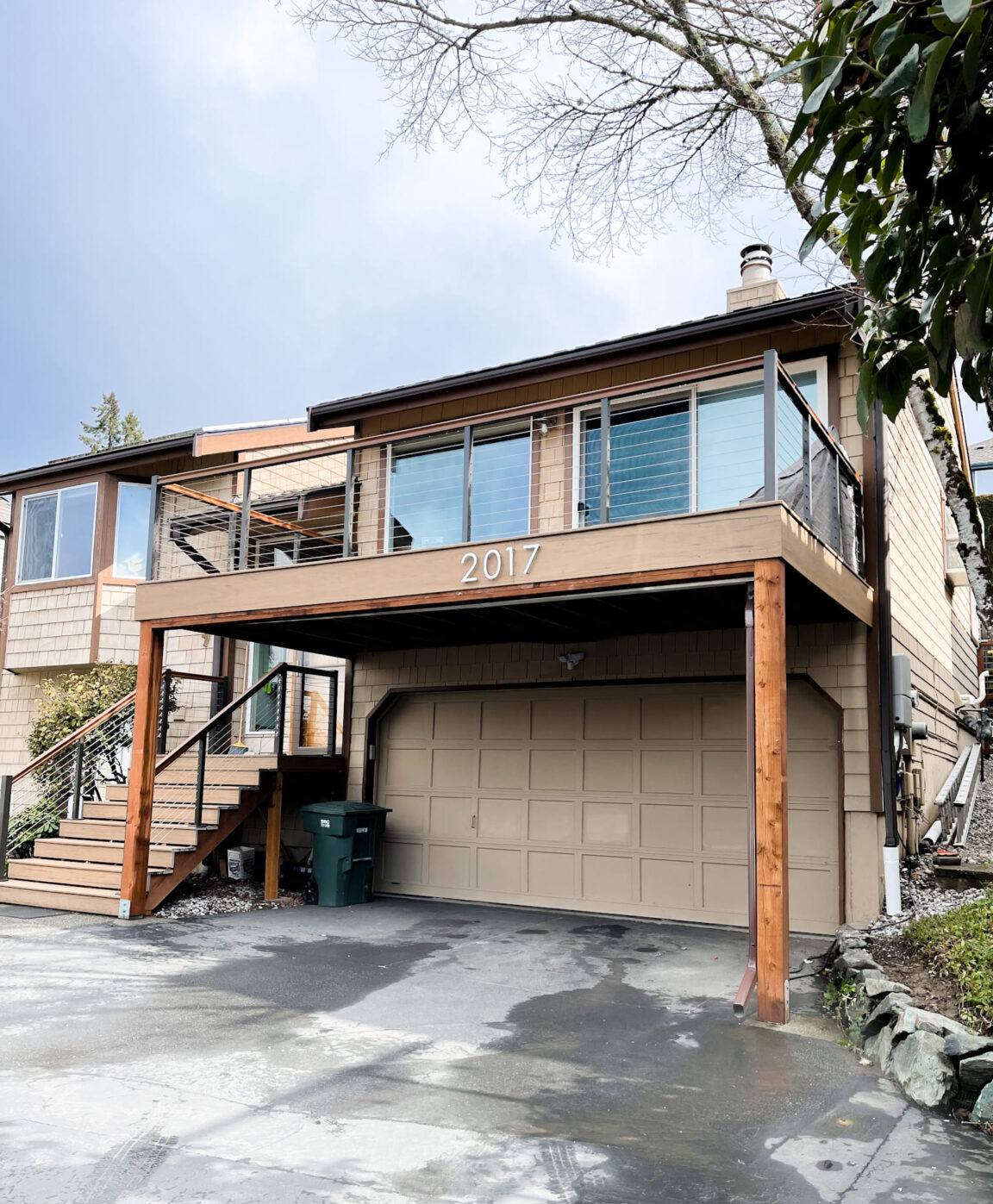
Why Laurel's Climate Is Hard on Siding
Salt-Laden Air and Corrosion
Even set back from the water, Laurel and the rest of the Lynden area sit inside the reach of marine air pushing inland off Bellingham Bay and the Strait of Georgia. That air carries fine salt content that settles on exterior surfaces, accelerates corrosion on fasteners and trim, and slowly breaks down paint films that aren't built to handle it. Siding that isn't engineered with a factory finish made for coastal-adjacent exposure will chalk, fade, and lose its seal years faster here than the same product would in a dry inland climate.
Driving Rain and Wind-Driven Moisture
Whatcom County doesn't just get a lot of rain — it gets a lot of horizontal rain. Open farmland around Laurel means less windbreak than you'd find in a denser neighborhood, so storms drive moisture sideways into wall assemblies, not just straight down. Any weak point in a siding system — a poorly lapped joint, a missing flashing detail, a fastener pattern that doesn't match the product's engineering — becomes an entry point for water. Once water gets behind siding in this climate, it doesn't dry out quickly. It sits.
Moss, Mildew, and the Long Wet Season
Between the rain, the cloud cover, and the humidity that lingers over farmland and drainage ditches, Laurel effectively has a moss and mildew season that stretches most of the year. Siding material that absorbs moisture — even slightly — gives moss and mildew organic surface material to grow on. Over a decade or more, that constant damp-dry cycling is what causes swelling, delamination, and rot in siding products that aren't dimensionally stable when wet.
Signs Your Laurel Home's Siding Needs Replacement, Not Just a Patch
Homeowners often call us for a repair and find out the siding is past the point where a patch makes sense. Here's what tells us a full replacement is the honest recommendation rather than an upsell:
- Soft, spongy, or crumbling siding when pressed near the bottom edges, corners, or under window sills
- Persistent moss or black streaking that comes back within a season or two of cleaning
- Paint that's bubbling, peeling in sheets, or won't hold a fresh coat for more than a couple years
- Visible gaps, warping, or cupping in individual boards or panels
- Rising energy bills alongside drafts felt near exterior walls
- Interior signs — stained drywall, musty smell in exterior-facing rooms, or bubbling interior paint near outside walls
- Siding that's original to a home built more than 20-25 years ago in wood, hardboard, or older composite materials
Any one of these on its own might be a repair. Two or three together, especially on a home with any age on the siding, usually means the underlying material and possibly the wall assembly behind it have been absorbing moisture for a while.
What a Correct Siding Replacement Actually Involves
Full Tear-Off and Sheathing Inspection
A real replacement means removing the existing siding down to the sheathing, not installing new material over old. That's the only way to actually see what's happening underneath — soft sheathing, rusted fasteners, or old moisture damage don't show up until the wall is opened. Any compromised sheathing gets identified and repaired before anything new goes back on. Skipping this step is the single most common shortcut that causes expensive problems five or ten years down the road.
Weather-Resistive Barrier and Flashing
Given how much wind-driven rain this area sees, the water-resistive barrier and flashing details matter as much as the siding itself. Window and door flashing, kick-out flashing at roof-to-wall intersections, and properly lapped house wrap all need to be installed in the correct order and sequence — shingle-style, so water sheds down and out rather than getting trapped. This is the layer that does the real waterproofing work; the siding is the second line of defense, not the only one.
Fastening and Installation to Manufacturer Spec
Fiber cement siding has specific fastening patterns, nail types, and gap allowances published by the manufacturer for a reason — they account for expansion, moisture cycling, and wind load. Installing it like a generic lap board, with the wrong nail spacing or no gap at butt joints, voids the product's engineering even if it looks fine on install day. We install to the manufacturer's published specifications, not shortcuts that save an afternoon of labor.
Factory-Applied Finish
The paint or finish on siding matters as much as the substrate underneath it. A factory-applied, baked-on finish holds color and seals the material far more consistently than field-applied paint, especially in a climate that cycles between wet and dry as often as this one does. This is one of the biggest differences between a job that looks good for two years and one that looks good for fifteen.
Why We Install Only James Hardie Fiber Cement
We standardized on James Hardie fiber cement siding for every replacement job we do, including here in Laurel, and we don't install vinyl, LP SmartSide, cedar, primed spruce, or other fiber cement brands. That's not a marketing position — it's based on what holds up in this specific climate over decades, not just through the first winter.
Fiber cement doesn't absorb water the way wood-based or engineered wood products can, which matters directly in a region with Laurel's rain and moss exposure. It's non-combustible, which is a real consideration given how much open farmland and seasonal burning happens in this part of Whatcom County. Hardie's ColorPlus factory finish is engineered to hold color and resist the fading and chalking that marine-influenced air causes faster in field-painted products. And Hardie backs it with a strong transferable warranty — but only when the product is installed to their published specification, which is exactly why installation quality matters as much as the material choice itself.
Our Siding Replacement Process in Laurel, Start to Finish
- On-site assessment. We walk the full exterior, check the sheathing where we can access it, and look at drainage, roof lines, and exposure to prevailing wind and rain.
- Written estimate. You get a clear scope of work and price before anything is scheduled — no vague allowances that turn into surprise change orders.
- Material selection. We go through James Hardie's lines, textures, and ColorPlus color options and help you land on what fits the home and the budget.
- Tear-off and inspection. Old siding comes off, sheathing gets inspected, and any repairs are identified and priced before covering anything up.
- Weather barrier and flashing. House wrap, window and door flashing, and roof-to-wall flashing go in correctly sequenced, before a single piece of new siding is hung.
- Installation to spec. Hardie siding, trim, and accessories go on following the manufacturer's fastening, gapping, and clearance requirements.
- Final walkthrough. We walk the finished job with you, check every elevation, and address anything that doesn't meet our own standard before we call it done.
What Siding Replacement Costs: The Real Factors
Every Laurel property is different, and we don't quote prices without seeing the home, but these are the factors that actually move the number up or down:
| Factor | How It Affects Cost |
|---|---|
| Home size and number of stories | More square footage and taller walls mean more material, labor, and equipment (lifts or scaffolding) |
| Sheathing condition | Rot or moisture damage found during tear-off adds repair scope beyond the original estimate |
| Siding profile and texture | Lap, shingle, and panel styles carry different material and labor costs |
| Trim and detail work | Corner boards, window casings, and fascia detail add labor time versus a plain box shape |
| Access and site conditions | Long rural driveways, outbuildings, fencing, or landscaping close to the home affect staging and equipment access |
| Color and finish selection | Standard ColorPlus colors versus custom or premium selections carry different material pricing |
The only way to get an accurate number is a site visit — anything quoted sight-unseen for a full siding replacement should be treated as a rough placeholder, not a real estimate.
Why Hiring a Crew That Already Works in Laurel and Lynden Matters
A contractor who regularly works this part of Whatcom County already knows the things that slow down or trip up crews who don't: how rural properties around Laurel often have longer driveways and setbacks that affect material staging and delivery, how agricultural dust and seasonal field work can affect scheduling and site cleanliness, and how the local building department handles permitting for exterior work on both older farmhouses and newer construction. That local familiarity translates into fewer surprises and a smoother job for you.
It also matters for something less obvious — knowing what actually fails on homes in this specific area. A crew that's replaced siding on dozens of Lynden and Laurel-area homes has seen firsthand which details cause callbacks in this climate and which ones don't matter as much. That's knowledge you can't get from a national franchise crew rotating through on a one-off job.
After the Install: Caring for Your New Siding
Fiber cement siding is low-maintenance compared to wood or older composite products, but "low-maintenance" doesn't mean "no maintenance," especially in a climate with Laurel's moss and moisture pressure. A few habits keep it performing the way it's engineered to:
- Rinse the exterior annually with a garden hose to clear pollen, dust, and early moss growth before it takes hold
- Keep gutters clear so overflow doesn't run down the siding face repeatedly during storms
- Trim back trees and shrubs that hold moisture against the siding or shade it enough to slow drying
- Check caulking at trim joints and penetrations every couple of years and re-caulk as needed
- Address any impact damage (from hail, debris, or equipment) promptly rather than letting it sit exposed
If you're weighing whether your Laurel home's siding needs a repair or a full replacement, we're happy to take a look and give you an honest answer either way — including telling you if a full replacement isn't necessary yet. Reach out for a free, no-pressure estimate using the form below.