 Lynden Siding
 Roof Repair in Laurel: Built for Whatcom County's Wet, Salt-Touched Climate
Laurel is a quiet, rural corner of Whatcom County, tucked into the farmland between Bellingham and Lynden. It doesn't get the same attention as the bigger towns nearby, but the roofs here face the exact same weather the rest of the county deals with every year: marine air moving in off Puget Sound and the Strait of Georgia, rain that arrives sideways as often as it falls straight down, and mild, damp conditions that keep moss and algae growing on shaded roof planes for most of the year. That combination is hard on roofing, and it's especially hard on the parts of a roof that are already weak, aging, or poorly installed to begin with.
Lynden Siding Installer works roofs, siding, windows, and decks across this part of Whatcom County, and roof repair in Laurel gets the same standard we apply everywhere else: find the actual cause of a problem, not just the visible symptom, and fix it with materials and techniques built for sustained moisture, not for a dry afternoon. Whether it's a single leak, storm damage, or a roof with several smaller issues that have been put off for a season or two, the goal of a repair is the same — stop the water, and stop it in a way that holds up through the next several wet seasons, not just the next dry one.
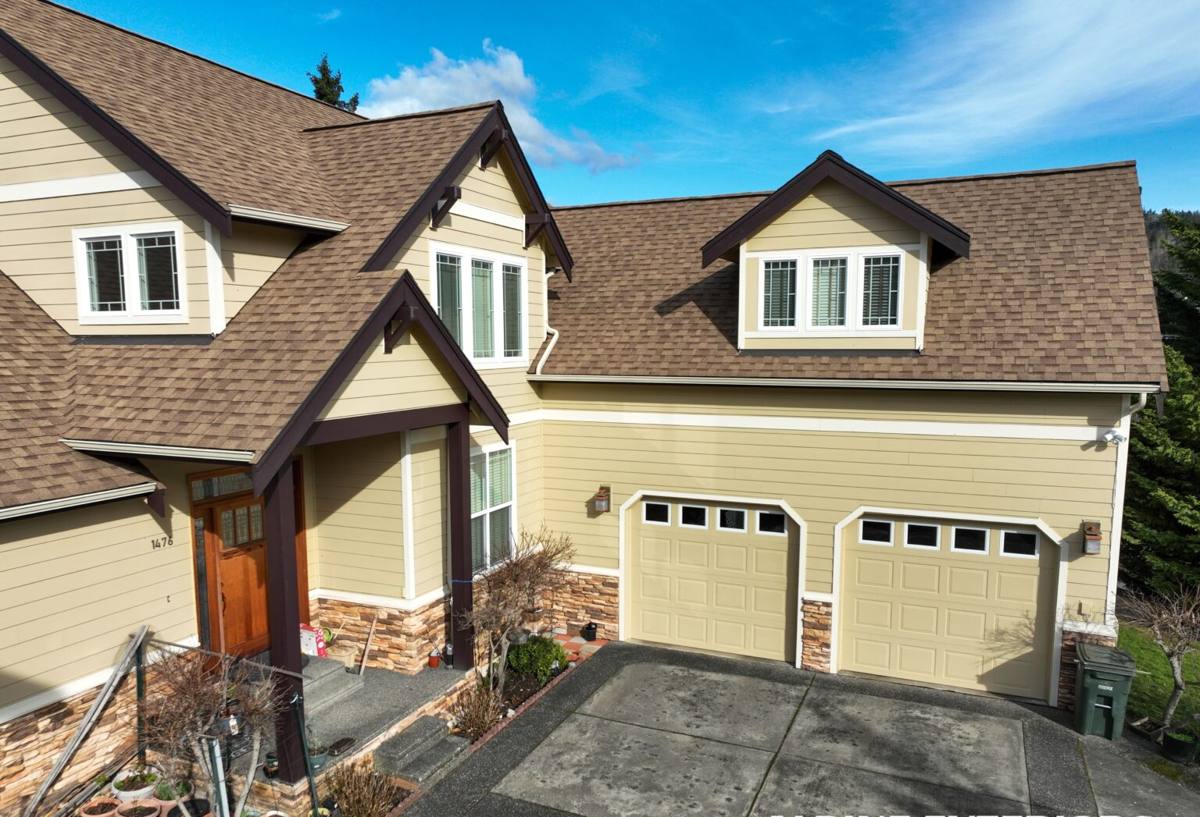
What This Climate Does to a Laurel Roof
Salt-Laden Marine Air
Even away from the immediate waterfront, the marine air that moves across Whatcom County carries a fine amount of salt with it. Over years, that salt exposure speeds up corrosion on exposed fasteners, flashing, and any metal roofing components that aren't rated for it. A repair that reuses corroded fasteners or unprotected flashing is a repair that's going to need doing again sooner than it should.
Wind-Driven, Sideways Rain
Storms coming off the water don't just drop rain straight down — wind pushes it sideways, up under shingle tabs, around vent pipes, and into any gap in flashing that isn't sealed and lapped correctly. Most of the leaks we get called out for in Laurel trace back to a flashing detail or a lapping error, not a failure of the shingles or roofing material itself.
A Moss Season That Doesn't Really End
Mild temperatures and consistent moisture mean moss and algae have a long growing season on any roof surface that stays shaded or doesn't dry out fully between rains. Left alone, moss holds water against the roofing material, works under shingle edges, and can lift or loosen sections of roofing over time — turning what would have been a simple repair into a bigger one.
Temperature Swings and Material Fatigue
Whatcom County doesn't see extreme heat or deep cold in most years, but the repeated cycle of damp, mild days punctuated by occasional cold snaps still stresses roofing materials over time. Asphalt shingles that stay saturated more often than they fully dry out age faster than the same product would in a drier climate, and the fasteners and flashing exposed to that cycle need to be rated for it. A repair that ignores this cycle and uses whatever material happens to be on hand tends to fail again within a few years.
The Most Common Roof Repairs We Handle in Laurel
No two roofs fail the same way, but a few problems show up again and again on roofs in this area:
- Leaks around chimneys, skylights, and vent pipe boots where flashing has failed or sealant has dried out
- Wind damage after a storm — lifted, cracked, or missing shingles
- Valley leaks where two roof planes meet and water volume is highest
- Moss-related damage on shaded, north-facing slopes and roof sections under trees
- Soft or spongy roof decking from long-term, undetected moisture intrusion
- Gutter and edge flashing failures that push water back under the roofing material
Some of these are quick fixes. Others take more investigation before we can give an honest quote, because the visible damage isn't always where the water is actually getting in. A roof that's had more than one small repair in the same spot is also worth a closer look, since repeated patching in one area is usually a sign the underlying cause was never actually fixed the first time.
What a Correct Roof Repair Actually Involves
Diagnosing the Real Source, Not Just the Symptom
A stain on a ceiling doesn't always sit directly under the leak — water travels along rafters, decking, and underlayment before it shows up inside. A correct repair starts with tracing the water back to where it's actually entering the roof, which sometimes means checking the attic, pulling back roofing material near suspected areas, or looking at the whole roof system rather than just the spot a homeowner points to.
Matching Materials and Techniques
A repair should blend into the existing roof, not stand out as an obvious patch. That means matching the shingle type, profile, and where possible the color of what's already on the roof, and using techniques — proper nailing patterns, correct overlap, sealed transitions — that match or exceed how the original roof was installed.
Flashing, Underlayment, and the Details That Actually Stop Leaks
Most roof failures in this climate come down to flashing and underlayment, not the roofing material sitting on top of them. A repair that just replaces a few shingles without addressing failed flashing underneath is a repair that's likely to leak again. We replace and re-lap flashing at valleys, chimneys, and roof-to-wall transitions as part of the repair, and check that underlayment in the repaired area is intact and properly lapped, not just patched over.
Working Safely and Up to Code
Roof repair work means being on a steep, often wet surface, and doing it safely matters as much as doing it correctly. That means proper fall protection, careful staging of materials and tools, and repair work that meets current building code requirements for the materials and techniques used — not just whatever gets a leak to stop for the moment. A contractor cutting corners on safety is often the same contractor cutting corners on the parts of a repair you can't see once the job is finished.
Repair or Replace? What Actually Factors In
Not every roof problem in Laurel calls for a full replacement, and we don't default to recommending one. Here's how we think through the decision:
| Factor | Repair Usually Makes Sense | Replacement Usually Makes Sense |
|---|---|---|
| Roof age | Roof is well within its rated lifespan | Roof is near or past its expected service life |
| Extent of damage | Damage is localized to one area or feature | Damage or moss issues are spread across multiple roof planes |
| Decking condition | Deck underneath is solid, no soft spots | Deck shows widespread moisture damage or rot |
| Repair history | First or second repair on this roof | Roof has had multiple prior repairs in the same areas |
| Material availability | Matching shingles or material are still available | Original material is discontinued and won't blend |
We'll walk through what we actually find on your roof and explain the reasoning, including cases where a repair now makes more financial sense than a replacement you don't need yet.
Our Roof Repair Process
- Inspection. We look at the full roof, not just the reported problem area, including the attic where accessible, to find the actual source of any leak or damage.
- Honest assessment and quote. We explain what we found, what caused it, and what it will take to fix it properly, with a clear written quote before any work starts.
- The repair itself. Matching materials, correct flashing and underlayment work, and attention to the details that determine whether a repair lasts.
- Cleanup and check. We clear debris and old material from the work area and do a final check of the repair before we consider the job done.
Signs a Laurel Roof Needs Repair Now
- Water stains on ceilings or interior walls, especially near exterior walls or chimneys
- Missing, cracked, curling, or lifted shingles
- Granules building up in gutters or at the base of downspouts
- Visible daylight through the roof deck from inside the attic
- Moss that returns quickly after cleaning, or spreads across a shaded slope
- Soft or spongy spots when the roof is walked on
- Flashing that looks lifted, rusted, or missing sealant around penetrations
Any single item on that list is worth a professional look before the next storm season. Caught early, most of these are a straightforward repair. Left alone, several of them turn into a much larger job.
Why a Crew That Already Works Laurel Matters
A contractor who works roofs across this part of Whatcom County through every season has already seen how salt air, wind-driven rain, and a long moss season actually affect real roofs over time — not just how a product performs on a spec sheet. That translates into practical judgment on a repair: which flashing details are worth the extra time so you're not calling back in two years, how much of a shaded slope's moss damage is cosmetic versus structural, and when a repair is genuinely the right call instead of an upsell toward replacement. It also means someone who understands that a farmland community like Laurel isn't identical to a waterfront lot a few miles away, even though both sit inside the same regional climate.
Beyond the Roof: Siding, Windows, and the Rest of the Exterior
Roof repair is often the most urgent call, but the same climate that wears on a roof wears on the rest of a home's exterior too. Lynden Siding Installer also handles siding repair and replacement, window replacement, and deck work, and we install James Hardie fiber cement siding as our standard for the same reason we take flashing and underlayment seriously on a roof — it holds up better against sustained moisture and moss than lower-cost alternatives. If a roof repair turns up moisture damage at a wall-to-roof transition, or trim and siding nearby that are showing their own wear, we can address it as part of the same visit instead of sending you to track down a second contractor.
Get a Free, No-Pressure Estimate
If your roof in Laurel has a leak, storm damage, or moss buildup you'd like a second opinion on, we're glad to take a look and give you a straightforward, honest read on what it actually needs. Reach out using the form below to schedule a free estimate — no pressure, no upsell script.