 Lynden Siding
 Roofing for Laurel Homes Has to Answer to Whatcom County Weather
Laurel sits in the part of Whatcom County where marine air off the Sound, heavy fall and winter rain, and low winter sun combine to keep roofs wet and shaded for long stretches of the year. That's not a minor detail — it's the single biggest factor in how a roof should be built here. A new roof installed the same way you'd build one in a dry inland climate will show problems within a few years: dark streaking, soft moss mats holding moisture against the shingles, and slow leaks at valleys and penetrations that don't show up inside the house until the damage is already done.
We install roofs for homes in and around Laurel and Lynden regularly, and the jobs we do here are built differently than a generic install. More attention to underlayment, more attention to ventilation, and material choices that actually hold up to a long, wet moss season rather than just looking good on install day.
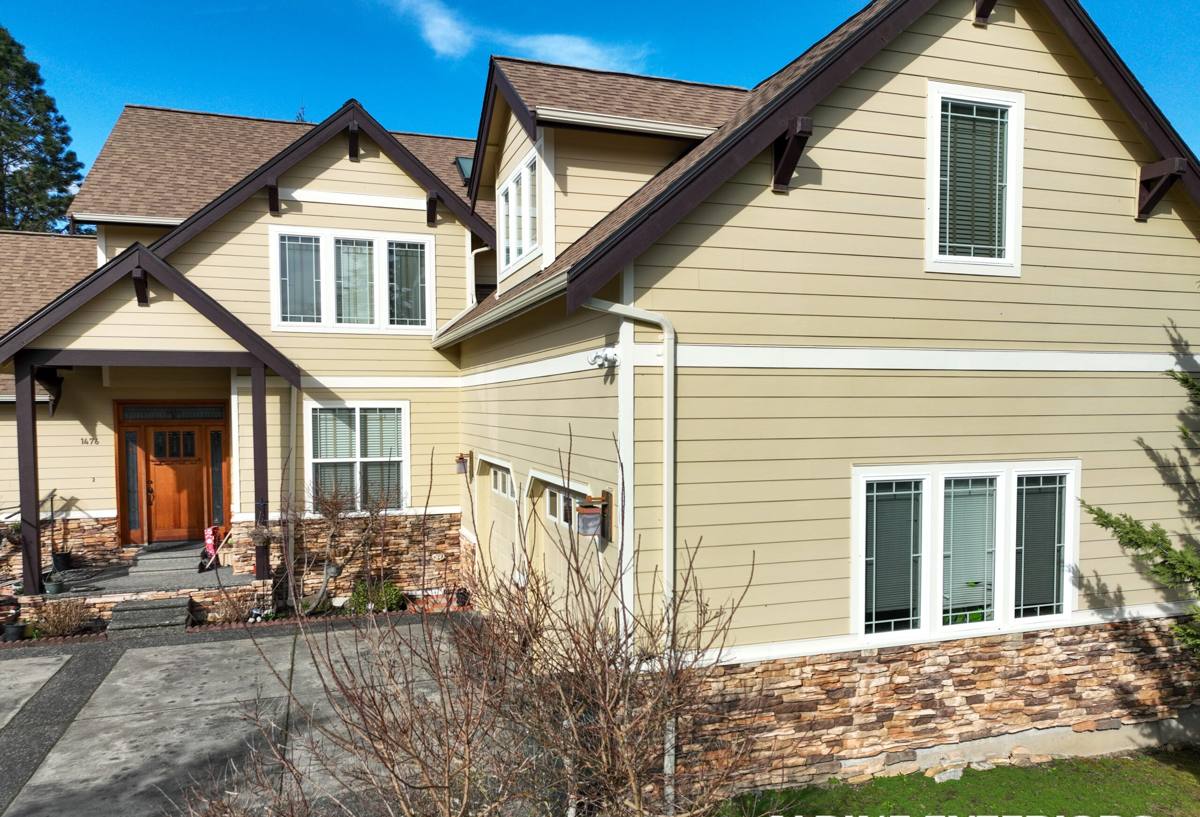
What Salt Air, Driving Rain, and Moss Actually Do to a Roof
Salt-Tinged Marine Air
Homes closer to the water carry a fine film of salt-laden moisture in the air, which accelerates corrosion on exposed metal — fasteners, flashing, and vent components. It's not dramatic, but it's constant, and it's why fastener and flashing material choice matters more here than it would inland.
Driving Rain
Wind-driven rain doesn't fall straight down — it gets pushed sideways and upward under shingle edges, around chimneys, and into valleys. A roof that only handles vertical rainfall well will still leak in a Whatcom County storm. Every lap, flashing detail, and fastening pattern has to account for wind-driven water finding its way uphill.
A Long Moss Season
Shade from mature trees, cool temperatures, and near-constant moisture from fall through spring create ideal conditions for moss growth. Moss isn't just cosmetic — it holds water against the roofing material, lifts shingle edges as it grows, and traps debris that keeps the surface damp long after the rain stops. Left unchecked over years, it shortens the life of almost any roofing material.
What a Correct New Roof Installation Actually Involves
A new roof is more than laying down shingles. Here's what should happen on every install, in order:
- Full tear-off to bare decking — never a layover, which traps moisture and hides deck problems.
- Deck inspection and repair — soft, delaminated, or water-damaged sheathing gets replaced before anything new goes down.
- Ice and water shield at eaves, valleys, and around every penetration — the areas most exposed to wind-driven rain and ice damming.
- Synthetic underlayment across the full deck as a secondary water barrier beneath the roofing material.
- New flashing at all chimneys, walls, skylights, and roof-to-wall transitions — old flashing gets reused far too often, and it's usually the first place a roof fails.
- Balanced attic ventilation — intake at the eaves, exhaust at the ridge, sized to the attic volume.
- Roofing material installation per manufacturer spec, including proper nailing pattern and exposure.
- Cleanup and magnetic sweep for stray fasteners in the yard and driveway.
Skip any one of these steps and the roof may still look fine for a season or two — the failures that show up in year three or four almost always trace back to something skipped here.
Choosing a Roofing Material for a Laurel Home
There's no single "best" material for every house — it depends on your roof's slope, sun exposure, tree cover, and budget. Here's how the common options compare for this specific climate:
| Material | Moss & Moisture Resistance | Typical Lifespan | Maintenance Needs |
|---|---|---|---|
| Architectural asphalt shingle | Good, especially with algae-resistant granules | 25–30 years | Periodic moss/debris removal, especially on shaded slopes |
| Standing seam metal | Excellent — sheds water fast, little surface for moss to grip | 40–50+ years | Low; occasional gutter and fastener check |
| Synthetic composite (shake-look) | Good, doesn't absorb water like wood | 30–40 years | Low to moderate |
| Cedar shake | Poor in continuous shade — holds moisture and feeds moss/rot | 20–25 years with upkeep | High; regular treatment and moss control required |
For heavily shaded lots — common around Laurel where mature trees line many properties — we generally steer homeowners toward architectural shingle or metal over cedar. It's not that cedar is a bad product; it's that a shaded, wet roof plane is the worst possible environment for a material that relies on staying dry to perform well, and the maintenance burden to keep it that way is significant. We'll always give you the honest trade-offs rather than push whatever's easiest to install.
Ventilation and Moisture Control: The Part Homeowners Don't See
A roof that looks great from the driveway can still be failing from the inside if the attic isn't ventilated correctly. Poor ventilation traps warm, moist air against the underside of the decking, which leads to condensation, mold, and premature deck rot — problems that show up as sagging or soft spots long before the shingles themselves wear out.
We also install zinc or copper moss-inhibiting strips near the ridge on request. Rain washing over these strips releases a small amount of metal ion that discourages new moss growth on the slopes below — a low-maintenance way to slow moss regrowth between cleanings, though it's a supplement to good roof design, not a replacement for proper ventilation and material choice.
Our Process, Start to Finish
- On-site estimate: we walk the roof (or inspect from the ground/ladder where safety requires), check the attic, and measure for an accurate material quantity — not a drive-by guess.
- Written scope and price: materials, tear-off, deck repair allowance, ventilation plan, and timeline in writing before anything is scheduled.
- Material delivery and staging: scheduled around Whatcom County's rain windows to keep the deck exposed for as little time as possible.
- Tear-off and deck inspection: any rot or damage is documented and reviewed with you before repair, not after.
- Install: underlayment, flashing, ventilation, and roofing material installed per the plan.
- Final walkthrough: we go over the finished roof with you, including gutter tie-ins and any maintenance recommendations specific to your lot's shade and exposure.
Why It Matters That We Already Work in Laurel
A roofing crew that already works this area knows which slopes around Laurel tend to hold moss longer because of tree cover, which older homes in the neighborhood are more likely to have undersized attic ventilation from when they were built, and how Whatcom County's permitting and inspection process works for a full reroof — so there are no surprises mid-project. That local familiarity isn't marketing; it's the difference between a crew guessing at conditions and a crew that's already accounted for them in the bid.
It also means faster response if something needs a second look after the job is done. We're not driving in from out of the area for a warranty check — we're already working nearby.
Signs Your Laurel Home May Need a New Roof Soon
Use this as a general checklist before you call anyone for an estimate:
- Shingles that are curling, cracking, or losing significant granules (check gutters for granule buildup)
- Thick moss mats rather than light surface growth, especially on north-facing or shaded slopes
- Daylight visible through the roof deck from inside the attic
- Soft or spongy spots when walking the roof (a sign of deck damage — approach with caution or let a professional check)
- Water stains on interior ceilings or in the attic near valleys, chimneys, or vent penetrations
- A roof approaching or past 20–25 years old, even if it looks okay from the ground
- Rusting or visibly corroded flashing around chimneys or walls
None of these alone means you need a full replacement tomorrow — but two or three together are a good reason to get a professional opinion before the next wet season.
What a New Roof Typically Involves Cost-Wise
Pricing depends on roof size, pitch, tear-off complexity, deck condition, and material choice, so we won't quote a number without seeing the roof. In general terms, expect asphalt shingle installations to fall in the lower-to-middle range of new roof costs, synthetic composite in the middle, and standing seam metal at the higher end — offset over time by metal's much longer service life and lower maintenance. Deck repair, if needed, is priced separately once we can see the actual condition underneath the old roofing, not estimated blind.
If your roof is showing its age or you're just planning ahead, we're happy to take a look and give you a straight answer — no pressure, no inflated scare tactics. Fill out the form below for a free estimate on your Laurel-area home.