 Lynden Siding
 Windows Built for Sumas, Not for a Showroom Somewhere Else
Sumas sits right up against the border in the Nooksack River valley, tucked between farmland and the first rise of the Cascade foothills. It's a different environment than a lot of window sales reps realize when they quote a job from a catalog. Homes here take on moisture-laden marine air pushing in off the Salish Sea, long stretches of driving rain through fall and winter, and a moss season that can run most of the year on shaded north and east walls. A window that's fine in a dry inland climate can start failing here in a few short seasons if it wasn't chosen and installed with this specific weather pattern in mind.
We install and replace custom windows for homes throughout Sumas and the surrounding Whatcom County countryside. "Custom" isn't a marketing word for us — it means we measure, spec, and flash every opening for the actual conditions on that wall of that house, not a generic national average.
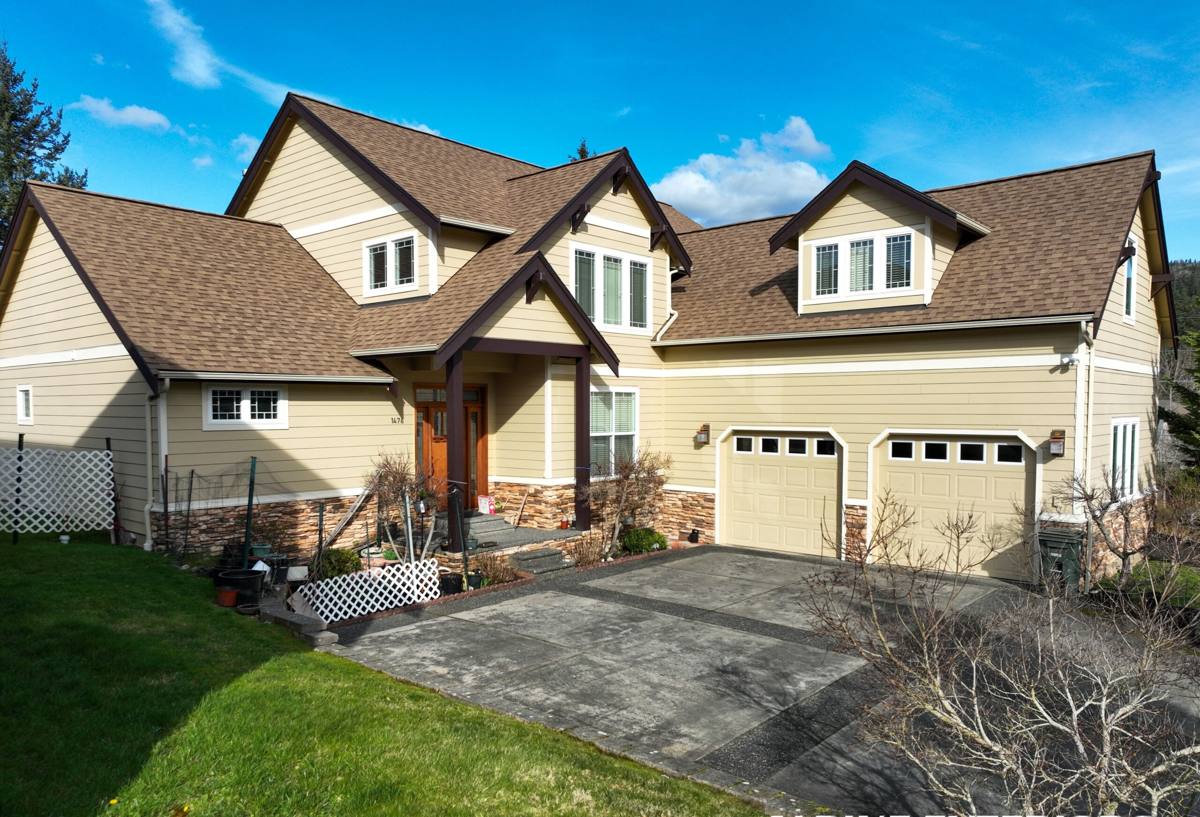
What "Custom" Actually Means for a Sumas Home
A lot of older farmhouses, remodeled barns-turned-homes, and mid-century houses in and around Sumas simply don't have standard-sized rough openings. Additions built over the decades, settled framing, and hand-built trim work mean off-the-shelf window sizes often don't fit without tearing into siding and framing you didn't plan on touching. Custom windows are built to the exact opening you have, which keeps the job cleaner and protects the surrounding wall assembly.
Custom also covers:
- Non-rectangular or specialty shapes — arched, angled gable-end, or oversized picture windows
- Matching sightlines and grid patterns across a whole elevation so the house reads as one design, not a patchwork
- Egress-code sizing for bedrooms, which older Sumas homes frequently fall short of
- Glass packages upgraded specifically for west- and south-facing walls that take the brunt of wind-driven rain
Why the Local Climate Changes the Spec
Driving rain and wall assemblies
Wind-driven rain doesn't just hit a window — it gets forced sideways and upward under sills and around trim if the flashing detail is wrong. This is where most window failures we see in this area actually start: not bad glass, but a sill pan or head flashing that wasn't lapped correctly for the direction weather actually comes from on that specific wall.
Moss and shaded exposures
Moss and algae don't just grow on roofs. On shaded walls — under eaves, behind mature trees, on the north side of outbuildings-turned-additions — organic growth holds moisture against wood trim and sill material far longer than an exposed, sunlit wall does. That constant damp cycle is what rots wood sills and stains vinyl and fiber cement trim over time.
Temperature swings toward the foothills
Properties closer to the foothill edge of the valley see sharper overnight temperature drops than homes right in town. That swing matters for glass selection — a low-quality insulated unit will fog or seal-fail faster under repeated condensation cycling.
Frame Material Comparison
There's no single "best" frame material — it depends on the wall, the exposure, and the budget. Here's how the common options actually perform in this climate, honestly:
| Frame Material | Moisture Handling | Maintenance | Typical Lifespan |
|---|---|---|---|
| Vinyl | Good — won't rot, minor expansion/contraction in temperature swings | Low — occasional cleaning | 20–30 years |
| Fiberglass | Excellent — dimensionally stable, holds paint and seals well long-term | Low — very stable, can be repainted | 30–40+ years |
| Wood-clad (exterior clad, interior wood) | Very good on the exterior; interior side needs care at damaged finish points | Moderate — watch clad seams and interior finish | 25–35 years with upkeep |
| Bare wood | Poor in this rain load unless meticulously maintained | High — regular repainting/sealing required | Highly variable |
For most Sumas homes, we steer people toward fiberglass or quality vinyl on rain-exposed elevations, and reserve wood-clad or wood-interior options for covered porches, sheltered walls, or where matching an existing historic look matters more than minimizing upkeep. We're upfront when a product isn't the right fit for a given wall — that's a maintenance and moisture-behavior call, not a knock on any manufacturer.
Problems We See Most Often on Sumas Homes
Every region has its own failure pattern, and this one is fairly consistent:
- Rotted sills on original wood windows — decades of rain and moss contact finally breaking down the wood at the lowest point of the frame
- Fogged or failed insulated glass units — the seal between panes has broken and moisture has worked its way in between the layers
- Poor flashing from a prior remodel — a window swapped without properly integrating the sill pan or head flashing into the wall's water management
- Undersized or non-egress bedroom windows — common in older farmhouses and additions built before current code
- Single-pane originals still in service — drafty, cold to the touch, and a major source of heat loss in winter
Our Installation Process
1. On-site assessment and exact measurement
We measure every opening individually — no assuming two windows on the same wall are identical, because on older homes they frequently aren't. We also check the surrounding framing and existing flashing condition while we're there.
2. Product selection built around exposure
We walk through frame material, glass package, and grid/style options with exposure in mind — a rain-facing wall and a covered, sheltered wall don't need to be spec'd the same way.
3. Removal and opening prep
Old units come out carefully to protect surrounding siding and trim. We inspect the rough opening for hidden rot or water damage before anything new goes in — this is often where a cut-rate install skips a step that costs the homeowner later.
4. Correct flashing and sealing
Sill pan flashing, proper head flashing lapped over the water-resistive barrier, and correctly sequenced sealant — installed to shed water the way this climate actually delivers it, not just to code minimums.
5. Final fit, trim, and cleanup
Windows are set, shimmed, and secured for a square, properly operating fit, trim is finished to match the home, and the site is cleaned up before we call the job done.
Signs It's Time to Replace, Not Repair
- Fogging or a milky haze between the panes of glass that won't clean off
- Noticeable draft or cold air around a closed, locked window
- Soft, spongy, or visibly rotted wood at the sill or lower frame corners
- Windows that are difficult to open, close, or lock, or that have swollen shut
- Moss, algae, or dark staining building up on the sill or trim that keeps returning after cleaning
- Visible daylight or gaps around the frame from outside
- A noticeable jump in heating costs without another clear cause
Energy Performance in a Marine Climate
Whatcom County's climate is milder than a lot of the country, but the tradeoff is near-constant humidity and long heating seasons rather than short, harsh extremes. Windows with a solid low-E coating and proper gas fill between panes help hold indoor heat and cut down on the interior condensation that fogs glass in winter — a common complaint in older single-pane or poorly sealed homes throughout this area. We size glass packages to the wall's exposure rather than defaulting to one spec for the whole house.
Why a Crew That Already Works in Sumas Is Worth Hiring
Window work here isn't generic. A crew that regularly works Sumas and the rest of Whatcom County already knows how local wind-driven rain behaves against a wall, what moss buildup does to sills over a few seasons, and how the older farmhouse and mixed-vintage housing stock in this area is typically framed. That local knowledge shows up in details a visiting or unfamiliar crew tends to miss — the flashing lap, the sill slope, the material choice for a shaded, damp-prone wall. It's also easier to get a straight answer about timelines and follow-up service from a crew that's a short drive away rather than dispatched from out of the area.
Caring for New Windows in This Climate
Custom windows installed correctly need very little upkeep, but a little seasonal attention goes a long way here:
- Rinse sills and tracks periodically on shaded or moss-prone walls to keep organic growth from taking hold
- Check exterior caulk lines once a year, especially after a hard winter, and touch up any cracking
- Keep gutters and downspouts clear so runoff isn't sheeting directly down over window heads
- Operate locks and hardware a few times through the winter to keep them from sticking
If you're weighing a window replacement or planning new openings for a remodel in Sumas, we're happy to come take a look, measure, and walk you through honest options for your home's specific exposure. Reach out using the form below for a free, no-pressure estimate.