 Lynden Siding
 Decking Built for the Aldergrove Climate
Aldergrove sits in a stretch of the Pacific Northwest where the weather doesn't do anything in half measures. You get long stretches of driving rain through the fall and winter, salt-tinged air rolling in off the Strait and Puget Sound lowlands, and shaded, damp corners of the yard where moss will happily take hold on almost any surface that holds moisture. A deck built here isn't just outdoor furniture — it's a structure that has to shed water fast, resist rot in the framing, and keep its footing safe when everything around it is slick half the year.
That combination is exactly why composite decking has become the default recommendation for homeowners in this area, including the Aldergrove and greater Whatcom County corridor. Composite doesn't solve every problem on its own — a poorly built composite deck can still trap water and grow moss just like a poorly built wood one — but the material gives you a much wider margin for error against the specific conditions this region throws at it.
Why Wood Struggles Here
Traditional wood decking needs airflow, regular sealing, and dry stretches to recover between soakings. Aldergrove's climate doesn't offer much dry recovery time between October and May. Boards that aren't refinished on schedule start graying, cupping, and holding moisture in the grain — which is exactly the environment moss and mildew want. Composite boards don't absorb water into an open wood grain the same way, so they hold up better through a wet season without annual maintenance.
Salt Air and Hardware
Homes closer to open water or exposed to onshore wind see faster corrosion on fasteners, brackets, and railing hardware than homes further inland. It's a slower, quieter problem than moss — you don't notice it until a fastener starts weeping rust stains into the board around it. Material choice matters here as much as the decking itself.
What a Correctly Built Composite Deck Actually Involves
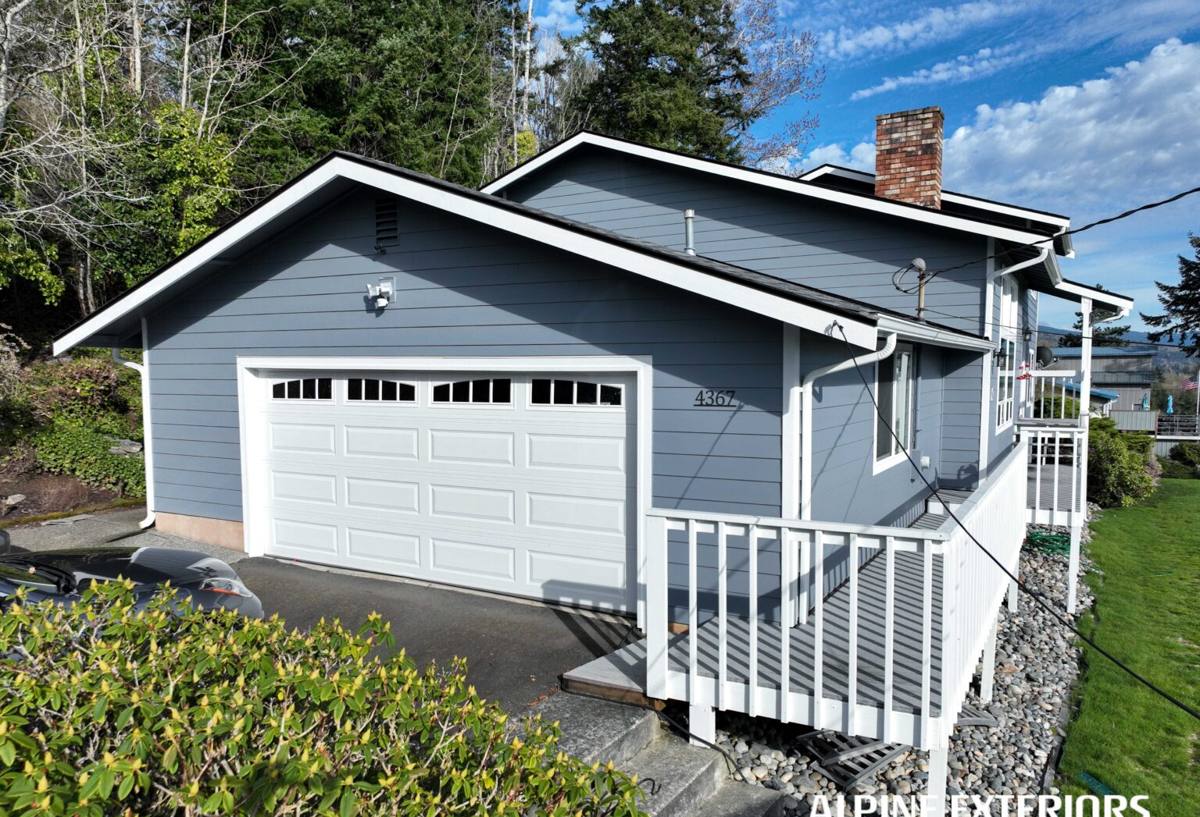
The decking boards get most of the attention, but the boards are the last thing installed, not the most important part. A composite deck that fails early almost never fails because of the composite — it fails because of what's underneath it.
Substructure and Framing
Composite boards are heavier than wood and behave differently under load and temperature swings, so joist spacing and framing need to match the manufacturer's span tables for that specific product — not generic wood-deck spacing. In a climate this wet, we also treat the framing itself as a moisture-management problem: joist tape or a comparable barrier over the top of each joist, proper ventilation underneath the deck, and framing lumber rated for ground contact or exposure where it's called for.
Fastening and Board Spacing
Gaps between boards aren't cosmetic — they're drainage. Too tight, and the deck holds standing water and debris that feeds moss growth; too wide, and you get a sloppy-looking deck and trip hazards for anything that falls between boards. Composite manufacturers specify a gap range based on board width and expected expansion, and we build to that spec rather than eyeballing it.
Flashing at the House Connection
The ledger board — where the deck attaches to the house — is the single most common point of failure on any deck, wood or composite, in a wet climate. Correct flashing here keeps water from tracking behind the siding and into the wall assembly. This is the detail that separates a deck that lasts decades from one that causes a rot problem inside the wall five years later, and it's worth more scrutiny than the decking material itself.
Comparing Decking Materials for This Region
There's no single "best" decking product for every home — it depends on budget, how much upkeep you want to do, and how exposed the deck is to weather. Here's how the common options stack up for a climate like Aldergrove's:
| Material | Moisture Resistance | Maintenance | Typical Lifespan |
|---|---|---|---|
| Pressure-treated wood | Fair — needs sealing to perform | Annual cleaning and re-sealing | 10–15 years before major repairs |
| Capped composite | Very good — cap layer resists moisture and staining | Periodic washing, no sealing | 25–30 years |
| Uncapped composite | Good, but more prone to surface moisture absorption over time | More frequent cleaning than capped | 15–20 years |
| PVC decking | Excellent — no wood content to absorb moisture | Low, occasional washing | 25–30+ years |
For most Aldergrove homeowners, capped composite hits the right balance of upfront cost, low maintenance, and long-term moisture performance for this climate. PVC is worth a look for decks in shaded, moss-prone spots or right along an exposed, salt-air-heavy elevation, but it comes at a higher price point and a slightly different look and feel underfoot.
Moss, Mildew, and Ongoing Care
Composite decking is low-maintenance, not no-maintenance. In a region with a moss season as long as ours, a little routine care goes a long way toward keeping a deck looking and performing like new.
- Sweep debris off the deck regularly — wet leaves and needles left sitting are the number one cause of surface staining and moss growth on composite
- Rinse or wash the deck a couple of times a year with a mild soap and soft-bristle brush, especially shaded areas that don't get direct sun
- Keep gutters and downspouts near the deck clear so runoff isn't dumping directly onto boards or the substructure
- Trim back overhanging branches and shrubs to cut down on shade and moisture buildup on the deck surface
- Check railing hardware and fasteners once a year for early rust staining, particularly on decks with more direct exposure to wind off open water
- Avoid pressure-washing at close range or high PSI — it can etch or damage the cap layer on composite boards
How Our Process Works
- On-site assessment. We look at the existing structure (if replacing a deck), grade and drainage around the house, sun/shade exposure, and how the space will actually be used.
- Material and layout recommendation. Based on that assessment and your budget, we recommend a board type, color, and layout — including where a picture-frame border or contrasting accent makes sense.
- Framing and structural work. We build or reinforce the substructure to the correct span and spacing for the chosen composite product, with moisture protection on the joists from day one.
- Flashing and ledger connection. The house connection gets proper flashing before anything else proceeds — this step doesn't get rushed.
- Decking, railing, and fastening. Boards go down to manufacturer spec for gapping and fastener pattern, followed by railing and any stairs or trim work.
- Final walkthrough. We walk the finished deck with you, cover basic care, and answer questions before we consider the job done.
Permits and Local Requirements
Deck projects in and around Aldergrove typically require a permit through the local building department, and requirements can vary based on deck height, size, and whether it's attached to the house. We handle that conversation as part of the estimate process so there are no surprises partway through the project — you shouldn't have to be the one chasing down what's required.
What Affects the Cost of a Composite Deck
| Factor | Why It Matters |
|---|---|
| Deck size and shape | Square footage and the number of angles or cutouts drive both material and labor |
| Board type | Capped composite and PVC cost more upfront than uncapped composite or wood |
| Height off the ground | Taller decks need more substantial framing, stairs, and railing, plus more permit scrutiny |
| Substructure condition | Replacing rotted or undersized framing on an existing deck adds cost but shouldn't be skipped |
| Railing style | Composite, metal cable, and glass railing systems vary widely in price |
| Site access | Tight side yards or elevated lots can add labor time for material handling |
We give straightforward, itemized estimates rather than a single vague number, so you can see where the money is going and where there's room to adjust if the budget needs it.
Why a Local Crew Matters for Aldergrove
A deck built to a generic spec sheet from a different climate zone doesn't hold up the same way out here. Crews who work this area regularly already know which framing details matter more in a wet coastal climate, which board colors and textures actually hide water spotting and pollen best, and where moss tends to take hold first on a given lot orientation. That knowledge shows up in small decisions throughout the build — joist spacing, drainage gaps, flashing details — that a homeowner would never think to ask about but that determine whether the deck still looks good in year ten.
It also matters for the parts of the job that aren't the deck itself: knowing which local building departments to coordinate with, understanding typical lot drainage patterns in the area, and being available for warranty questions or follow-up without a long drive.
Get a Free, No-Pressure Estimate
If you're weighing composite decking for a home in the Aldergrove area, we're happy to come take a look, talk through material options for your specific site and budget, and give you a straightforward estimate — no pressure, no pushy sales pitch. Use the form below to get started.