 Lynden Siding
 Windows Built for Bellingham's Coastal Climate
Bellingham sits close enough to the water that salt air is a real factor in how long a window lasts, not just a talking point. Add Whatcom County's driving winter rain, long gray stretches with little drying time, and a moss season that coats anything north-facing, and you've got a climate that's genuinely hard on window assemblies — especially at the flashing, the frame corners, and the sill. We install custom windows for homes in and around Bellingham with that specific combination of conditions in mind, not a generic "Pacific Northwest" checklist.
A window replacement or new install here isn't just about picking a style you like. It's about how the unit sheds water, how the flashing integrates with your existing siding or trim, and whether the installer actually seals it correctly the first time. Get any one of those wrong and you're not looking at a cosmetic problem — you're looking at rot behind the frame within a few winters.
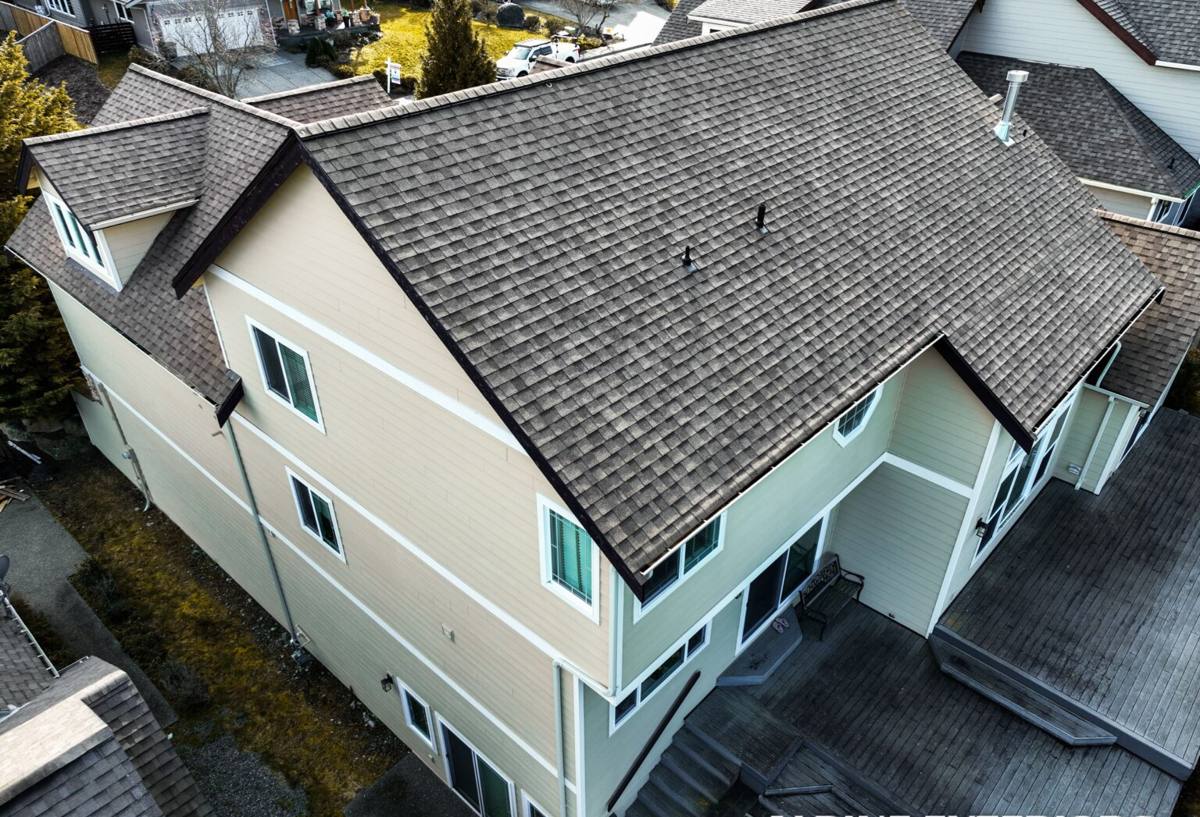
What Bellingham's Climate Actually Does to Windows
Salt Air and Corrosion
Bellingham's proximity to the Salish Sea means airborne salt is a slow, steady presence, even a few miles inland. Over years, salt-laden moisture accelerates corrosion on lower-grade hardware — hinges, cranks, latch mechanisms, and especially unprotected fasteners. It also degrades certain finishes faster than manufacturers' inland warranty testing accounts for. This is why hardware and finish selection matters more here than it would in a drier, inland part of the state.
Driving Rain and Wind-Driven Moisture
Storms coming off the water don't just fall straight down — wind pushes rain sideways into wall assemblies, which means window flashing and the water-resistive barrier behind it have to do real work, not just look tidy. A window that would perform fine in a calm-rain climate can leak here if the flashing details are skipped or rushed.
Long Wet Season, Slow Drying
Whatcom County's wet season runs long, with extended stretches of low sun and high humidity. Any moisture that does get behind a window — from a bad seal, a missed flashing lap, or condensation — doesn't dry out quickly. That's the difference between a minor issue and hidden rot: how fast the assembly can dry once it gets wet.
Moss and Organic Growth
Moss doesn't just grow on roofs. On north- and west-facing walls, moss and algae can creep onto window trim and sills, holding moisture against wood and painted surfaces far longer than the surface itself would otherwise retain it. Trim details and material choices that resist organic growth make a real difference in how a window looks and performs five or ten years out.
What a Correct Custom Window Install Involves Here
"Custom" in this context means the window is sized, styled, and detailed for your specific opening and your specific wall assembly — not a stock big-box unit forced into a rough opening that doesn't quite match. For Bellingham homes, a correct install includes:
- Removal of the old unit down to the rough opening, with an inspection of the sheathing and framing for existing water damage before anything new goes in
- Repair of any rot or compromised framing found during removal — never installed over a hidden problem
- Proper flashing integration with the existing water-resistive barrier, lapped correctly so water sheds outward and down, never trapped behind the new unit
- Sill pan flashing at the base of the opening, the single most common failure point we see on older installs in this area
- Correct shimming and fastening so the frame is square and doesn't rack, which affects both operation and long-term seal integrity
- Interior and exterior sealant details matched to the siding type, whether that's fiber cement, wood, or vinyl
- Hardware and glazing selection suited to coastal exposure, particularly on walls facing prevailing weather
Skipping the sill pan or rushing the flashing lap is the single most common shortcut we see behind failed windows in this region — it's invisible once the trim goes back on, which is exactly why it gets skipped by installers who aren't from around here.
Choosing the Right Window Type for a Bellingham Home
There's no single "best" window material — it depends on your home's exposure, your budget, and how much upkeep you're willing to do. Here's how the common options actually compare for this climate:
| Window Type | Performance in Salt Air / Rain | Maintenance | Typical Fit |
|---|---|---|---|
| Vinyl | Good — won't corrode or rot, handles moisture well | Low | Budget-conscious replacements, rental properties |
| Fiberglass | Excellent — very stable in temperature swings and moisture, resists warping | Low | Homes wanting long-term durability without wood upkeep |
| Wood-clad (exterior clad, wood interior) | Good on the exterior if clad correctly; interior wood needs protection from condensation | Moderate | Homes wanting a traditional wood interior look |
| Solid wood | Weakest in this climate unless meticulously maintained — most exposed to rot and moss staining | High | Historic homes where matching original material matters more than upkeep |
| Aluminum | Fair — durable but prone to condensation and thermal transfer without a thermal break | Low | Commercial or modern architectural styles |
For most Bellingham homes we work on, vinyl or fiberglass windows with a quality flashing job outperform higher-end wood windows with a mediocre install. The material matters less than the installation — that's true across every category above, but it's especially true here because a bad seal will find the weak point in any material eventually.
Style and Function: Matching Windows to Your Home
Custom windows also means matching the operating style to how the room is actually used and how the wall faces the weather:
- Casement windows seal tightly under wind pressure since they close against the frame rather than sliding — a strong choice for walls exposed to driving rain
- Double-hung windows offer a classic look and easier cleaning from inside, common on Bellingham's older and craftsman-style homes
- Sliders work well where wall space is tight but generally seal slightly less well than casements under strong wind-driven rain
- Fixed picture windows maximize view and light with no moving parts to maintain, often paired with operable units on either side
- Awning windows can stay cracked open during light rain since they shed water downward, useful for bathrooms and kitchens needing ventilation
Our Process for Bellingham Window Projects
We keep the process straightforward, and every step is built around not letting water get behind the wall assembly:
- On-site assessment — we look at your existing windows, the wall assembly, and any signs of past moisture issues before recommending anything
- Custom measurement and selection — windows are ordered to fit your actual openings, in the material and style that fits your home and budget
- Careful removal — old units come out cleanly, and we inspect the opening before anything new goes in
- Flashing and sill pan installation — this is the step that determines whether the window performs for twenty years or fails in five
- Installation and sealing — the unit is set square, shimmed, fastened, and sealed to manufacturer and code specifications
- Final walkthrough — we check operation, seals, and trim with you before we consider the job done
Why a Crew That Already Works Bellingham Matters
Window installation looks similar on paper everywhere, but the details that actually matter change with the climate. A crew that mostly works drier, inland regions may not think twice about flashing laps or sill pans because the consequences of skipping them show up more slowly there. In Bellingham and the surrounding Whatcom County area, those shortcuts show up faster — often within a couple of wet seasons — because the rain, the salt air, and the moss don't give a bad install any slack.
Working windows regularly in this specific area also means we've seen which failure points repeat: which wall orientations take the worst weather, which older flashing details need extra attention during a retrofit, and which hardware holds up against salt exposure versus what corrodes early. That's knowledge you don't get from a spec sheet — it comes from doing the work here, repeatedly, and following up on how it holds.
Signs Your Current Windows Are Already Losing the Battle
If you're not sure whether replacement is worth considering yet, a few signs are worth checking for:
- Soft or discolored trim or sill wood around the window frame
- Fogging or moisture between panes on double- or triple-glazed units, which signals a failed seal
- Difficulty opening, closing, or locking — often a sign the frame has shifted or hardware has corroded
- Visible moss or dark staining building up on the sill or lower trim
- Drafts or noticeable temperature difference near the window on windy days
- Peeling paint or bubbling finish on interior or exterior trim near the frame
Any one of these on its own isn't necessarily urgent. Several together, especially on a wall that takes direct weather, usually means the window and its flashing are due for a real look.
Get a Straightforward Estimate
If you're weighing a window replacement or planning new construction openings for a home in Bellingham or elsewhere in Whatcom County, we're happy to take a look and give you an honest assessment — no pressure, no upsell on materials you don't need. Fill out the form below for a free estimate.