 Lynden Siding
 Why Siding Installation in the Acme Area Takes Local Know-How
Homes in and around the Acme area near Lynden face a specific combination of weather that most siding products, and most installation crews, aren't built to handle correctly. Whatcom County sits in a transition zone between marine air pushing in off the coast and the wetter, cooler microclimates that settle into the foothills and river valleys. That means siding here has to shed driving rain that comes in sideways during winter storms, resist the slow creep of moss and algae that thrives in shaded, damp conditions for months at a time, and hold its finish against salt-laden air without chalking or corroding fasteners. A siding job that looks fine the day it's installed can fail in three to five years if the water-management details underneath aren't right. This page focuses specifically on what siding installation means for homes in the Acme area — not siding in general, but siding done correctly for this climate.
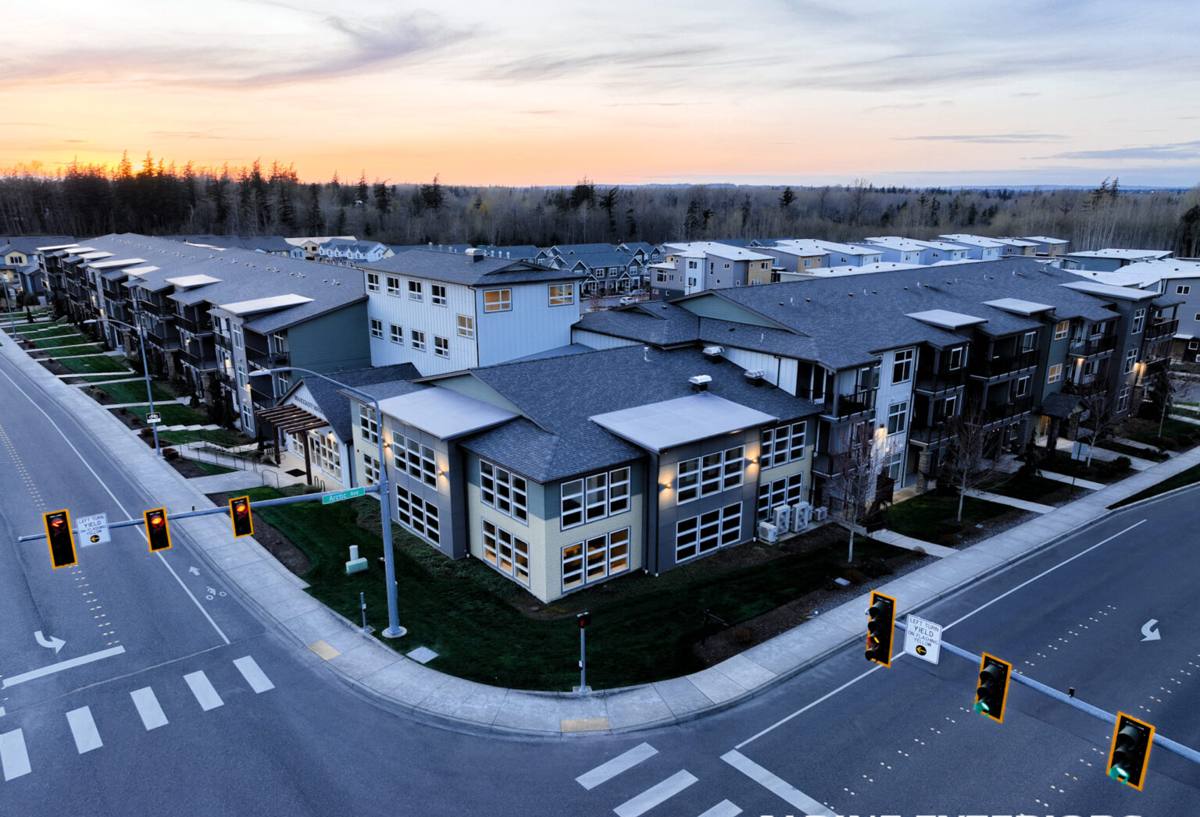
The Local Climate Challenge: Salt Air, Driving Rain, and a Long Moss Season
Three conditions do most of the damage to siding in this part of Whatcom County, and they work together rather than separately.
Salt Air
Airborne salt doesn't just affect homes right on the water. Marine air moves inland on prevailing winds and settles on exterior surfaces, where it accelerates corrosion of exposed metal fasteners, trim flashing, and any hardware that isn't rated for coastal exposure. Over time, salt exposure also breaks down cheaper paint films faster than inland weathering alone would, which is one reason factory-applied finishes matter more here than in drier parts of the state.
Driving Rain
This region doesn't just get a lot of rain — it gets wind-driven rain that hits walls at an angle instead of falling straight down. That changes how water behaves at every seam, joint, and penetration in a siding system. Horizontal rain pushes moisture up and under laps, around window trim, and into any gap that a rushed installation left unsealed or unflashed. A siding product can be excellent and still fail if the crew installing it doesn't understand how to detail a wall for wind-driven rain specifically.
A Long Moss Season
Shaded north- and west-facing walls, tree cover, and extended damp stretches from fall through spring give moss and algae months of ideal growing conditions. Moss holds moisture against the siding surface longer than an open, sun-exposed wall would, which speeds up any underlying rot or paint failure. Siding material that resists moisture absorption, combined with a factory finish that resists organic growth, matters far more here than it would in a dry climate.
What a Correct Siding Installation Actually Involves
Siding is a water-management system, not just a visible surface. The parts nobody sees after the job is done are usually the parts that determine whether the siding lasts fifteen years or fifty.
- Water-resistive barrier: A continuous weather-resistant barrier goes over the sheathing before any siding touches the wall, giving the wall a second line of defense if water gets past the siding itself.
- Flashing at every penetration: Windows, doors, hose bibs, vents, and any other wall penetration need proper flashing so wind-driven rain can't track behind the siding at those points.
- Correct fastening: Fastener type, spacing, and depth all matter — over-driven or under-driven fasteners on fiber cement siding are one of the most common causes of early failure and are entirely avoidable with a crew that follows the manufacturer's installation specifications.
- Proper clearances: Siding needs the right gap above rooflines, decks, and grade so water doesn't wick up from below or pool where it can't drain.
- Caulking discipline: Sealant belongs at specific joints, not everywhere — over-caulking traps moisture just as often as under-caulking lets it in.
Skipping or rushing any one of these steps is invisible on installation day and expensive five years later, usually as trapped moisture, rot at the sheathing, or paint failure that no amount of touch-up can fully fix.
James Hardie: The Only Product We Install, and Why
We install James Hardie fiber cement siding exclusively. We don't offer vinyl, LP SmartSide, Cemplank, Allura, primed spruce, or cedar, and that's a deliberate standard, not a limitation on what we're capable of installing.
Fiber cement is non-combustible, which matters as wildfire smoke and fire risk become a bigger part of Pacific Northwest summers. James Hardie's ColorPlus factory finish is baked on under controlled conditions, which gives it far better UV and moisture resistance than field-applied paint — a real advantage against the salt air and long wet season this area sees. Hardie's HZ5 product line is engineered specifically for the kind of freeze-thaw cycling, wind-driven rain, and humidity swings common to the Pacific Northwest, rather than being a general-purpose product adapted after the fact. The material doesn't rot, doesn't attract wood-boring insects, and holds paint and caulk far more consistently over decades than wood-based alternatives. It also carries a strong transferable warranty, which matters to homeowners who may sell before the siding's functional life is over.
None of that means other products are without merit — vinyl is inexpensive and low-maintenance in mild climates, wood has real aesthetic appeal, and engineered wood products have improved over the years. But for the specific combination of salt exposure, driving rain, and moss pressure found in this area, we've standardized on fiber cement because it's the product we're willing to warranty our installation work against for the long haul.
Our Installation Process for Homes in the Acme Area
| Step | What Happens |
|---|---|
| Site walk and assessment | We inspect existing siding, sheathing condition, trim, and problem areas like shaded walls or low-clearance zones before quoting. |
| Tear-off and sheathing check | Old siding comes off and we check the sheathing underneath for any moisture damage that needs to be addressed before new siding goes on. |
| Water-resistive barrier | A continuous barrier is installed and lapped correctly, with special attention to seams and penetrations. |
| Flashing and trim | Windows, doors, and penetrations get flashed to manufacturer spec, accounting for wind-driven rain from any direction. |
| Hardie panel or lap installation | Siding is fastened per James Hardie's published specifications for the specific product line and exposure. |
| Final caulk and paint touch-up | Joints that require sealant are caulked, and any factory-finish touch-up is done with matched product. |
| Walkthrough | We walk the finished job with the homeowner before calling it done. |
Cost Factors for Siding Installation
Every home is different, but the same handful of factors drive most of the cost variation we see on jobs in this area.
| Factor | Why It Affects Cost |
|---|---|
| Existing siding removal | Tear-off of old wood, vinyl, or aluminum siding adds labor and disposal cost versus a bare-sheathing install. |
| Sheathing repair | Rot or moisture damage found underneath old siding needs to be repaired before new siding can go on correctly. |
| Home complexity | Dormers, multiple gables, and cut-up wall lines take more labor and material waste than simple rectangular walls. |
| Siding profile chosen | Lap siding, panel siding, and shingle-style Hardie products differ in material and labor cost. |
| Trim and accessory work | Corner boards, window trim, and fascia work done alongside siding add to the scope but improve the finished water-management system. |
| Access and site conditions | Steep lots, limited staging area, or heavy landscaping near the walls can add time. |
Signs Your Home Needs New Siding
- Paint that's peeling, bubbling, or chalking heavily, especially on shaded or north-facing walls
- Soft or spongy spots when you press on the siding, which usually means moisture has reached the substrate
- Persistent moss or algae growth that returns quickly after cleaning
- Visible gaps, warping, or cupping in lap boards
- Rusted or popped fasteners showing through the surface
- Rising energy bills that may point to a compromised water and air barrier behind the siding
- Siding older than 20-25 years, especially wood or lower-grade composite products
Why a Crew That Already Works This Area Matters
Siding installation isn't one-size-fits-all across Whatcom County. A crew that regularly works walls exposed to driving rain and long damp seasons knows which corners of a house need extra flashing attention, which sides tend to hold moss, and how local building department expectations run on things like weather barrier laps and clearances. That familiarity shows up in details a homeowner can't easily inspect themselves — the kind of details that separate siding that looks good on day one from siding that still looks good in year fifteen. It also means faster, more accurate estimates, because we're not guessing at how the local climate will treat a given product or detail — we've already seen it play out on other homes nearby.
Maintenance After Installation
Correctly installed James Hardie siding is low-maintenance, but low-maintenance isn't no-maintenance, especially in a climate with a long moss season. A yearly rinse-down to keep organic growth from taking hold, prompt attention to any caulk that starts to crack or pull away, and periodic checks of trim and flashing points go a long way toward getting the full service life out of the system. Because the factory finish is baked on rather than field-applied, touch-up needs are typically limited to small areas rather than full repaints.
If you're weighing a siding replacement for a home in the Acme area near Lynden, we're happy to walk the property, look at what's there now, and give you a straightforward assessment along with a free, no-pressure estimate — just fill out the form below.