 Lynden Siding
 Siding That Has to Work in Acme's Climate, Not Just Look Good
Acme sits in the foothills east of Lynden, in Whatcom County, where the weather off the Pacific and the terrain both push moisture into everything that isn't built to shed it. Homes out here deal with a longer wet season than you'll find further inland, damp air that carries salt from the Sound, and enough shade and tree cover in places to keep north-facing walls wet well after the rain stops. That combination is hard on siding. It's not one big storm that causes problems — it's months of low-grade dampness sitting against a wall, cycle after cycle, year after year.
Fiber cement siding, installed correctly, handles that kind of environment better than most alternatives. But "installed correctly" is doing a lot of work in that sentence. A lot of the siding failures we get called out to inspect in this area aren't material failures — they're installation failures. The product was fine. The install let water in anyway.
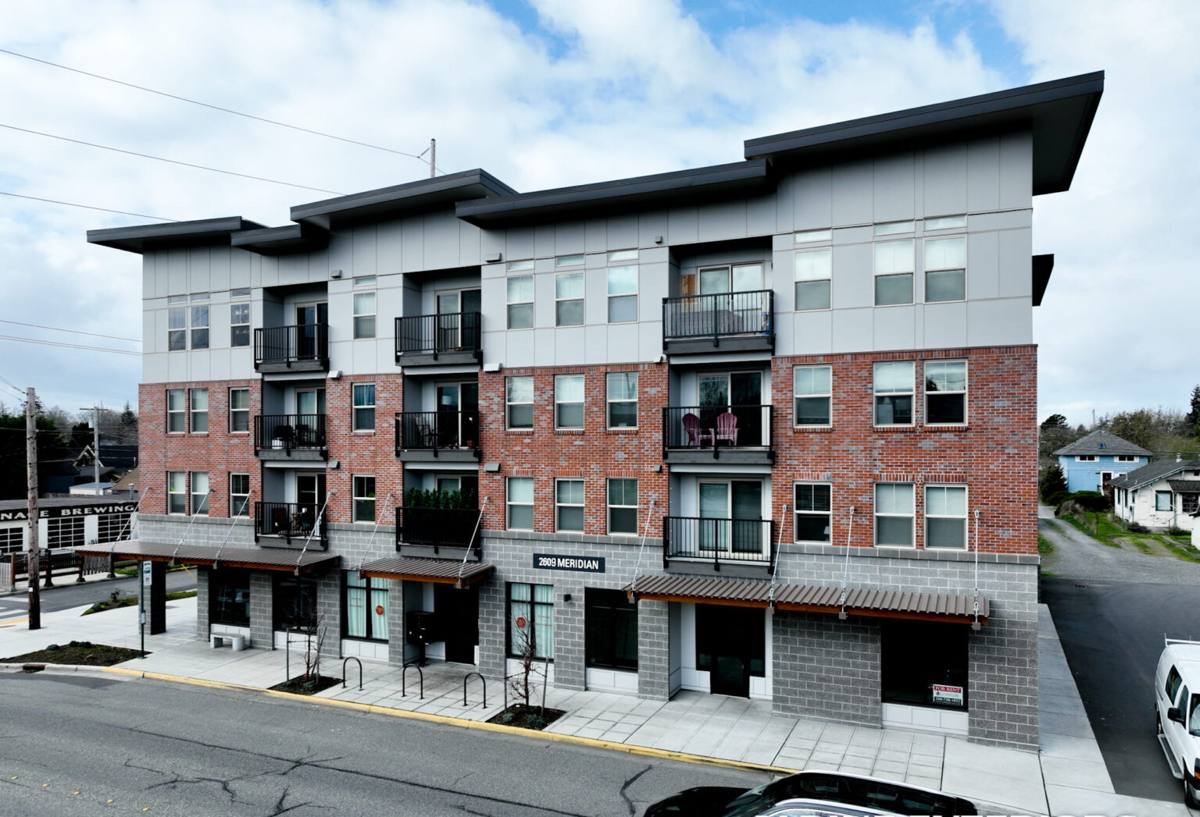
Why Whatcom County's Climate Is Tougher on Siding Than People Expect
Salt Air
Proximity to the Sound means a steady low level of salt-laden moisture in the air, even well inland toward Lynden and Acme. Salt air accelerates corrosion on fasteners, flashing, and any exposed metal trim. It also speeds up the breakdown of paint film on anything that isn't factory-cured, which is one of the practical reasons factory-applied finishes hold up better here than field-applied paint.
Driving Rain
This region doesn't just get rain — it gets wind-driven rain that hits walls at an angle instead of just running down them. That means water gets pushed up under laps, into unsealed joints, and behind trim that isn't flashed properly. A siding system that's rated for "rain" in a general sense still needs to be installed with driving rain specifically in mind: correct lap exposure, proper flashing at every horizontal joint, and sealed penetrations.
Moss Season
Moss doesn't grow because siding is a bad product — it grows because moisture sits somewhere long enough for spores to take hold. Shaded walls, areas near mature trees, and north-facing elevations in and around Acme are especially prone to it. Moss holds moisture against the surface long-term, which is a problem for any siding material, but it's a much bigger problem for materials that absorb water or swell when wet than for fiber cement, which doesn't.
What Fiber Cement Actually Solves Here
Fiber cement is cement, sand, and cellulose fiber pressed into boards and panels. It doesn't absorb water the way wood-based products do, it doesn't rot, and it's non-combustible. For a property in Acme dealing with sustained damp conditions and moss exposure, those properties matter more than they would in a dry climate.
- Dimensionally stable when wet — it doesn't swell, cup, or warp the way wood and wood-composite sidings can after repeated soaking
- Won't rot from prolonged moisture contact, which matters on shaded or tree-covered elevations that stay damp longer
- Holds a factory finish (ColorPlus) that's baked on and warranted, rather than relying on field-applied paint that has to fight salt air and UV on its own
- Non-combustible material, which matters given how many Whatcom County properties border wooded lots
- Engineered specifically for wet Pacific climates in James Hardie's HZ5 product line, which is the line we install in this region
None of that means fiber cement is maintenance-free. It means the maintenance burden is lower and more predictable than the alternatives, and it's why it's the only product we put on homes in this area.
Why We Only Install James Hardie
We don't install LP SmartSide, vinyl, Cemplank, Allura, primed spruce, or cedar. That's a standard, not a sales pitch, and it's worth explaining honestly. Each of those products has legitimate strengths — cedar looks good, vinyl is cheap, LP SmartSide is easier to handle on some jobs. But each of them also comes with a trade-off we're not willing to install and then walk away from: wood-based products carry ongoing moisture and pest exposure risk, vinyl can warp and fade and doesn't hold up well to impact, and field-finished products depend on paint quality and reapplication schedules that are outside our control once we leave the job.
James Hardie's fiber cement, in the HZ5 formulation engineered for this climate zone, backed by a factory finish and a transferable warranty, is the product we're willing to stand behind long-term. Standardizing on one product line also means our crews aren't relearning installation details from job to job — they know this system's fastening patterns, flashing details, and clearances cold, which is exactly what a driving-rain, high-moisture area like Acme demands.
What a Correct Installation Actually Involves
The board itself is only part of the system. Most of the water problems we find on existing homes trace back to details around the board, not the board itself.
Weather-Resistive Barrier and Drainage Plane
A correctly installed water-resistive barrier behind the siding, with a drainage gap where called for, gives any water that does get past the surface a way out instead of a place to sit against the sheathing.
Flashing at Every Horizontal Break
Windows, doors, deck ledgers, and any horizontal trim need flashing that directs water outward, not just caulk. Caulk fails. Flashing, done right, doesn't depend on failing.
Fastener Pattern and Type
James Hardie specifies fastener type, spacing, and placement for a reason — get it wrong and you either compromise the wind and moisture rating or crack the board over time as it expands and contracts with temperature.
Clearances
Proper clearance from grade, roof lines, decks, and patios keeps the bottom edge of the siding from sitting in standing water or snow — a common problem on homes where the ground has been built up over time or where decks were added after the original siding install.
Caulking and Sealant at Joints
Butt joints, corners, and penetrations need the right sealant applied correctly — this is a small detail that has an outsized effect on long-term moisture intrusion.
Our Process for an Acme Job
- On-site assessment — we look at existing siding condition, moisture points, shaded elevations, and any moss or staining patterns specific to your property's exposure
- Tear-off and sheathing check — we inspect what's underneath once old siding is off, since that's often where hidden moisture damage shows up
- Weather barrier and flashing install — done before a single piece of Hardie board goes up
- Board and trim installation — to James Hardie's fastening and clearance specifications, not shortcuts
- Final detail pass — joints, penetrations, and trim sealed and checked
- Walkthrough — so you know what was done and what to expect from the material going forward
Why It Matters That We Already Work in Acme
A crew that regularly works Lynden and the surrounding Whatcom County communities, including Acme, already knows which elevations on a typical property here take the worst weather, where moss tends to establish first, and how local shade and drainage patterns affect a wall's exposure. That's not something you get from a general regional install — it comes from repeatedly working the same climate and terrain. It also means we're not guessing at code or permitting expectations for the area, and we're a known quantity if you need a warranty question answered years down the road, not a company that did one job and moved on.
Cost Factors for Fiber Cement Siding in This Area
Every property is different, but the factors that move the price on a fiber cement job in Acme are fairly consistent:
| Factor | Why It Matters Here |
|---|---|
| Existing siding removal | Tear-off complexity increases if there's hidden moisture damage to address before new siding goes on |
| Wall exposure and elevation count | Shaded, moss-prone elevations may need extra prep or moisture barrier attention |
| Trim and detail work | Homes with more windows, dormers, and horizontal breaks need more flashing and finish work |
| Board profile and color | Lap size, panel style, and ColorPlus color selection affect material cost |
| Access and site conditions | Sloped lots and tree-heavy properties common in Acme can affect staging and labor time |
We give straightforward, itemized estimates rather than a single vague number, so you can see exactly what's driving the cost.
Signs Your Current Siding May Already Be Losing the Fight
- Persistent moss or algae staining that comes back shortly after cleaning
- Soft spots, or a board that flexes or feels spongy when pressed
- Visible warping, cupping, or gaps opening up at seams
- Peeling or bubbling paint, especially on shaded or north-facing walls
- Water staining on interior walls near exterior corners or window headers
Any of these on a property in or around Acme is worth having looked at before it becomes a bigger repair. If you'd like a straightforward look at your home's siding and an honest opinion on what it needs, we offer a free, no-pressure estimate — the form below gets you started.