 Lynden Siding
 Siding Installation for Aldergrove, BC Homes
Aldergrove sits right at the Whatcom–Fraser Valley border, close enough to Lynden that our crews are often working one side of the crossing in the morning and the other by afternoon. That proximity matters more than it might seem. The weather that wears down siding in Lynden doesn't stop at the border — it's the same wet Pacific air mass, the same low winter sun angle, the same long stretch of damp months that never quite dries out. A siding contractor who already understands that pattern from working it every week is in a different position than one who's driving in from an unfamiliar climate zone.
This page is about one thing: what it actually takes to install siding correctly on a home in the Aldergrove area, and why the details matter as much as the material.
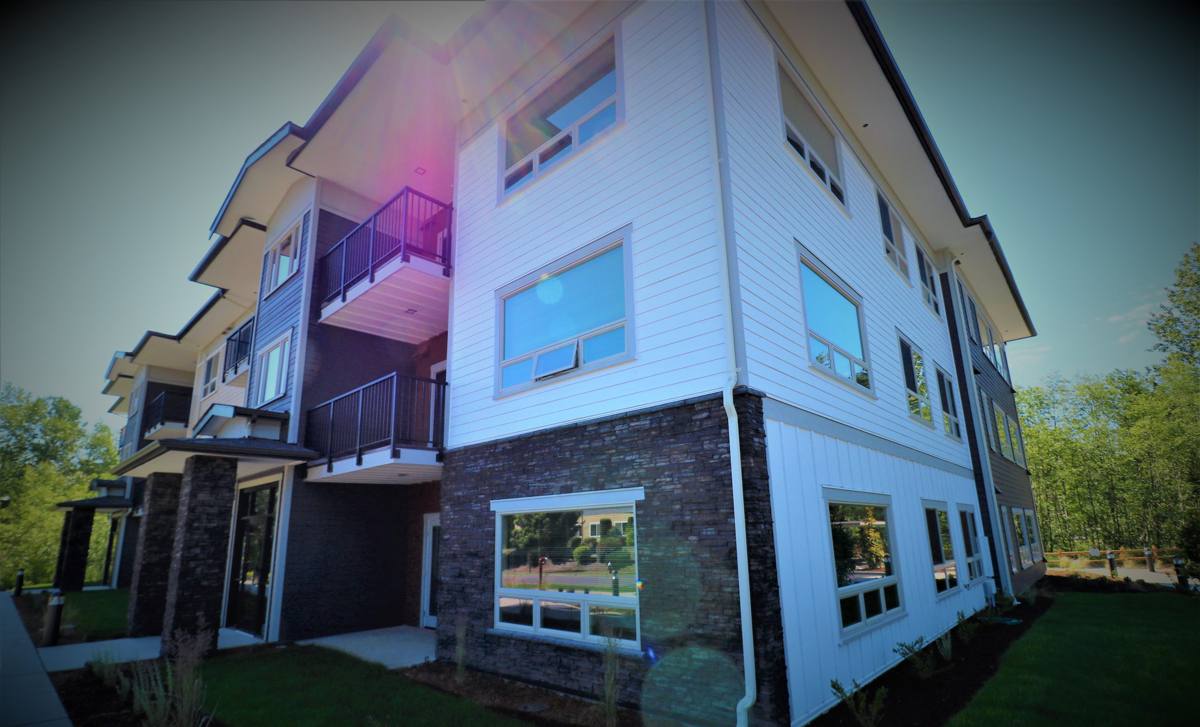
What the Local Climate Does to Siding Over Time
Three conditions define this corridor and all three are hard on exterior cladding.
Driving Rain
This isn't gentle, straight-down rain. Wind-driven storms push water sideways against walls, forcing it into any gap, seam, or fastener hole that isn't properly sealed or shingled. Siding that relies on caulk alone to keep water out — instead of proper lap geometry, flashing, and a drainage plane behind the cladding — eventually lets moisture in. Once water gets behind siding and can't dry out, the sheathing and framing underneath start to suffer long before the siding itself looks bad from the street.
Salt-Influenced Air
Air moving inland off the Salish Sea and Georgia Strait carries a fine load of salt and moisture that settles on exterior surfaces throughout this region, including inland communities like Aldergrove. It's not the same exposure a beachfront home gets, but it's persistent, and over years it accelerates corrosion on fasteners, trim hardware, and any metal flashing that isn't rated for the exposure. Siding systems that hold moisture against fasteners make that corrosion worse.
Long Moss Season
Cool, wet, and shaded conditions for much of the year mean moss and algae aren't just a roofing problem here — they colonize north-facing and shaded siding walls too. Moss holds moisture directly against the cladding surface, which is a slow but real threat to any siding material that isn't inherently resistant to sustained dampness. A siding job that doesn't account for airflow, overhangs, and plant clearance is setting the homeowner up for a moss problem within a few seasons.
What Correct Siding Installation Actually Involves
A lot of siding problems trace back not to the material but to how it went on. On homes in this climate, we treat the following as non-negotiable:
- Weather-resistive barrier installed and lapped correctly, shingle-style, so water sheds outward rather than pooling behind the siding.
- Proper flashing at every window, door, deck ledger, and roof-to-wall intersection — the spots where most water intrusion actually starts.
- Correct fastener type and placement matched to the siding manufacturer's specification, not just "whatever holds it up."
- Ground and roof clearance maintained per manufacturer minimums, so splashback and roof runoff don't keep the bottom courses perpetually wet.
- Rainscreen or drainage gap where called for, giving any moisture that does get past the cladding a way to drain and dry instead of sitting against the wall.
- Caulking used as a backup, not a primary defense — sealant fails over time; the assembly behind it shouldn't depend on it.
None of this is exotic. It's standard best practice. But it's exactly the set of details that get rushed or skipped on jobs priced and staffed to move fast, and it's exactly what shows up as a leak, rot, or paint failure three to seven years later.
Why We Install Only James Hardie Fiber Cement
We made a deliberate decision to install one siding system — James Hardie fiber cement — rather than offer a menu of vinyl, engineered wood, or other fiber cement brands. It's not because alternatives can't be installed well; it's because in a climate like this one, the margin for error matters, and we'd rather stand behind one product we know inside and out.
Fiber cement resists moisture absorption far better than wood-based siding products, which matters directly for the driving-rain and moss conditions described above. It's non-combustible, which is increasingly relevant given regional wildfire smoke seasons and insurance considerations. Hardie's HZ5 product line is engineered specifically for climates with freeze-thaw cycling and sustained moisture exposure — the Pacific Northwest is one of the regions that line was built for. The factory-applied ColorPlus finish also means the color coat is baked on under controlled conditions rather than field-painted, which holds up better against the UV and moisture cycling this area sees year-round, and it carries its own finish warranty separate from the product warranty.
We're not going to tell you every other siding product is bad — vinyl and engineered wood both have legitimate uses and price points. We'll just tell you honestly why we don't put them on homes ourselves: given what this climate does to a wall assembly over 20-plus years, we'd rather install the one system we trust completely than offer options we'd have reservations about.
Our Process on Aldergrove-Area Homes
1. Site Assessment
We look at wall orientation, roof overhangs, shade patterns, and existing moisture or moss evidence before we ever talk product or price. A north wall tucked under trees needs different attention than a south-facing wall in open sun.
2. Tear-Off and Substrate Check
Removing old siding is when we find out what's actually happening behind it — soft sheathing, missed flashing, old moisture damage. We flag anything that needs repair before new siding goes up; covering a problem is worse than finding it.
3. Barrier and Flashing Installation
This is the step that determines how the wall performs for the next several decades, done to manufacturer and code specification, not shortcuts.
4. Hardie Installation
Fastened, gapped, and lapped to James Hardie's published installation instructions, which is also what keeps the manufacturer's warranty intact.
5. Trim, Caulk, and Paint Detail
Final sealant and touch-up at cut edges and penetrations, done as a backup layer, not the primary water defense.
6. Walkthrough
We go over the finished work with the homeowner directly, not just leave a punch list behind.
What Drives the Cost of a Siding Job Here
| Factor | Why It Matters in This Climate |
|---|---|
| Extent of tear-off vs. re-side | Hidden moisture damage found during tear-off can add repair scope — common on older walls exposed to years of driving rain |
| Wall complexity (dormers, gables, trim detail) | More flashing points and cut edges mean more labor to seal correctly against wind-driven rain |
| Siding profile chosen | Lap width and texture affect material cost and installation time, not just appearance |
| Trim and fascia condition | Salt-influenced air corrodes older metal trim faster, sometimes requiring replacement alongside siding |
| Access and site conditions | Tree cover and shaded walls common to moss-prone lots can affect staging and drying time during install |
Why a Crew That Already Works Aldergrove, BC Matters
Aldergrove sits right at the Aldergrove–Lynden border crossing, which puts it in an unusual spot: close enough to Lynden that a local crew can be on-site quickly, but far enough into a different country that not every contractor is set up to work there smoothly. A crew that's used to the logistics — border crossing timing, material staging, working across two sets of permitting norms — doesn't lose a job's momentum to something as basic as getting people and materials on-site. Just as important, a crew that's worked this specific stretch of climate for years already knows which walls in this area tend to hold moss, which orientations take the worst of the driving rain, and what a correctly weatherproofed wall needs to hold up here. That's knowledge you can't fully substitute with a generic installation manual.
Signs Your Current Siding Is Losing the Battle
- Paint or finish failing unevenly, especially on north-facing or shaded walls
- Soft spots, bubbling, or visible warping near the bottom courses or around windows
- Persistent moss or algae growth that returns within a season of cleaning
- Visible gaps opening at seams, corners, or trim joints
- Rust staining running down from fasteners or metal trim
- Musty smell or discoloration on interior walls that share an exterior wall with problem siding
Any one of these on its own isn't necessarily an emergency, but they're worth having looked at before the next wet season adds to the damage.
Get a Free, No-Pressure Estimate
If you're weighing a siding replacement or repair for a home in the Aldergrove, BC area, we're glad to come take a look and give you a straight assessment — what we see, what it would take to do right, and an honest cost range. No pressure, no scare tactics. Use the form below to get started.