 Lynden Siding
 Laurel's Roofs Take a Different Kind of Beating
Laurel sits in that stretch of Whatcom County where the weather never fully commits to one thing. You get long stretches of steady, driving rain off the water, salt-tinged air drifting in from the Sound, and winters that stay just cool and damp enough for moss to move in and never leave. None of that is dramatic on its own, but stacked together, year after year, it's exactly the combination that shortens a roof's working life if the wrong materials or details were used the first time around.
We work Laurel and the surrounding Lynden area regularly, which means we're not guessing at how a roof holds up here — we're looking at the same houses five and ten years after we've replaced them. That's the perspective this page is built on: what actually needs to happen for a roof replacement in this specific climate, not a generic checklist.
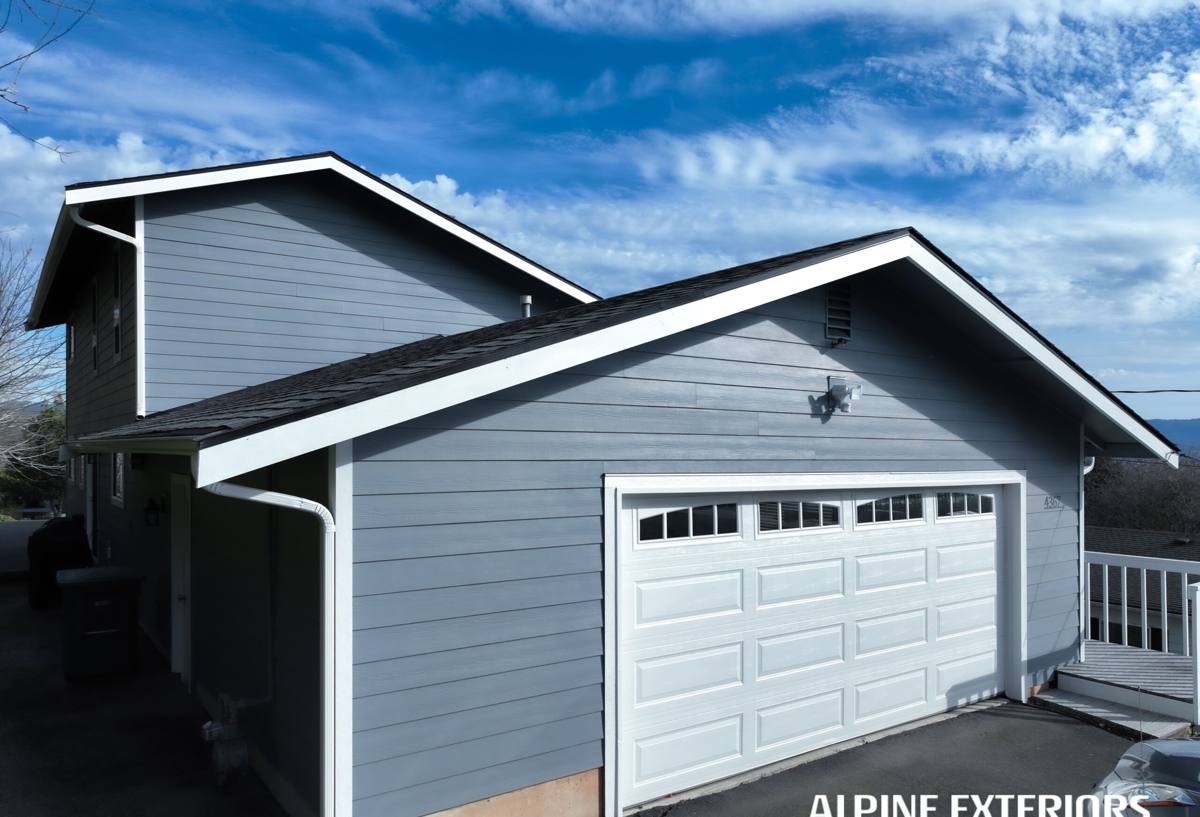
How to Tell It's Replacement Time, Not Another Repair
Homeowners often call us after a leak, but the leak is usually the last symptom, not the first. A roof nearing the end of its life in this climate tends to show a pattern before it ever lets water through.
- Granules collecting in gutters or at downspout outlets, season after season
- Shingles that look cupped, curled at the edges, or noticeably darker in patches
- Moss or algae staining that comes back within months of being cleaned off
- Soft spots or slight sagging when you walk the roof line visually from the ground
- Daylight visible through the roof deck from inside the attic
- Multiple repair calls in the same two or three years for different leaks
- A roof that's already had one layer added over the original (a second layer usually means replacement is the only option left)
If you're seeing two or more of these, it's worth having someone look at the whole roof rather than patching the one spot that's currently dripping. Patch jobs on an aging roof in this climate tend to buy months, not years.
What a Correct Replacement Actually Involves Here
Full Tear-Off, Not an Overlay
Installing new shingles over old ones is faster and cheaper, and it's sometimes appropriate elsewhere. In a climate this wet, we don't recommend it. A second layer traps moisture between the layers, hides the condition of the deck underneath, and voids or limits most manufacturer warranties. A proper replacement starts with a full tear-off so we can actually see and address what's underneath.
Deck Inspection and Repair
Once the old roofing is off, the plywood or plank decking gets inspected board by board. Any wood that's soft, delaminated, or stained from long-term moisture gets replaced before anything new goes down. Skipping this step is one of the most common reasons a "new" roof still has problems within a few years — the surface is new, but it's fastened to compromised wood underneath.
Underlayment and Water-Shedding Details
Given how much driving rain this area sees, the underlayment layer matters as much as the shingle brand on top of it. We use synthetic underlayment for its tear resistance and consistent moisture protection, with self-adhered ice-and-water membrane at vulnerable points — eaves, valleys, around chimneys and skylights, and anywhere water tends to pool or back up. These are the spots that fail first when a roof is rushed or done to a minimum standard.
Ventilation Isn't Optional
A roof that can't breathe traps warm, moist attic air against the underside of the deck, which speeds up rot and helps moss and algae take hold from below as well as above. We check intake ventilation at the eaves and exhaust at the ridge as part of every replacement, not as an upsell. On older Laurel-area homes, this is frequently the piece that was missing or undersized the first time the roof was built.
Choosing a Roofing Material for This Climate
There's no single "best" roofing material — there's the material that fits your home, your budget, and how much long-term maintenance you're willing to do. Here's how the common options compare for a wet, moss-prone, salt-air environment like Laurel's.
| Material | Typical Lifespan | Moss & Algae Resistance | Maintenance Level |
|---|---|---|---|
| Standard asphalt shingle | 15–20 years | Moderate; benefits from periodic cleaning | Low to moderate |
| Algae-resistant (AR) asphalt shingle | 20–30 years | Higher, due to copper- or zinc-based granules | Low |
| Metal (standing seam or panel) | 40–60+ years | High; sheds moisture quickly, little surface for growth | Low |
| Wood shake | 20–30 years with upkeep | Low; absorbs moisture and needs regular treatment | High |
For most Laurel homes, we lean toward algae-resistant architectural shingles as the practical middle ground — solid lifespan, reasonable cost, and noticeably better resistance to the staining and growth that this climate encourages. Metal is a strong option for homeowners planning to stay long-term and wanting to minimize maintenance, though the upfront cost is higher. We don't push wood shake in this climate; it demands more upkeep than most homeowners want to keep up with given the moisture load here, and we're upfront about that trade-off rather than selling around it.
What Drives the Cost of a Roof Replacement
| Factor | Why It Matters |
|---|---|
| Roof size and number of planes | More square footage and more valleys/hips mean more material and labor time |
| Roof pitch | Steeper roofs require more safety setup and slow the pace of installation |
| Layers to remove | Tearing off two layers of old shingles costs more than one |
| Deck condition | Rotted or delaminated sheathing found during tear-off adds material and labor |
| Material choice | Standard shingles, AR shingles, and metal carry different material costs per square |
| Ventilation and flashing upgrades | Adding proper intake/exhaust venting or replacing old flashing adds scope but pays off in roof lifespan |
We give a broad range on the phone at most, and a firm number only after we've actually walked the roof. Anyone quoting a precise price sight-unseen is guessing, and that guess tends to grow once they get on the roof.
Our Process, Start to Finish
- On-site inspection. We walk the roof, check the attic if accessible, and note deck condition, ventilation, and flashing details before quoting.
- Written estimate. A clear breakdown of material, labor, and any deck or ventilation work we expect to encounter — no vague lump sums.
- Scheduling around the weather. Given how much rain this area gets, we plan tear-off days around forecasts and keep the roof dried in at every stage — we don't leave a home exposed overnight.
- Tear-off and deck repair. Old roofing removed, deck inspected and repaired as needed, debris cleared as we go.
- Underlayment, flashing, and ventilation installed. The parts that don't show but determine how long the roof actually lasts.
- New roofing installed to manufacturer spec. Correct nailing pattern, exposure, and fastening — details that affect whether the material warranty is even valid later.
- Final walk-through and cleanup. Magnetic sweep for stray fasteners, gutter check, and a walk-through so you know what was done and why.
Living With a New Roof in Laurel
A correctly installed roof still benefits from a little seasonal attention in this climate. Moss and algae don't mean the roof was installed wrong — they mean it's growing in a place that grows moss on fence posts, decks, and driveways too. A few habits keep a new roof looking and performing like one:
- Keep gutters clear so water isn't sitting against the roof edge
- Trim back branches that shade the roof and keep it damp longer after rain
- Have moss treated or gently rinsed before it builds up into thick mats, rather than after
- Avoid pressure washing shingles directly — it strips granules and shortens shingle life
- Have the roof looked at after any major windstorm, even if nothing looks obviously wrong
Why Local Experience in Laurel Actually Matters
Roofing crews that don't normally work this part of Whatcom County tend to treat every roof the same way regardless of climate — same underlayment spec, same ventilation approach, same material recommendations they'd make anywhere. A crew that already works Laurel and greater Lynden knows which details actually matter here: where ice-and-water shield needs to go given how the rain drives in, which roof orientations collect moss fastest, and how to schedule tear-off work so a home isn't sitting exposed when the weather turns. That local pattern recognition is the difference between a roof that's technically installed correctly and one that's installed correctly for this specific place.
If your Laurel-area roof is showing its age, or you just want an honest read on whether repair or replacement makes sense, we're glad to come take a look. The estimate is free, there's no pressure attached to it, and you'll get a straight answer either way — you can request one using the form below.