 Lynden Siding
 Roof Repair Built for Deming's Wet, Wooded Conditions
Deming sits in a part of Whatcom County where the roof over your head works harder than it does in most places. The homes out here are surrounded by tall conifers, sit close to the Nooksack River drainage, and see long stretches of steady, soaking rain through fall, winter, and spring. Add in cooler, shaded rooflines that never fully dry out and you get conditions that are tough on shingles, flashing, and gutters — even on roofs that are only ten or fifteen years old. Wider Whatcom County weather patterns bring salt-influenced marine air off the Sound inland on top of that, which adds a layer of corrosion risk to exposed metal that homeowners further inland don't always expect.
A roof repair here isn't just patching a leak and moving on. It's understanding why that spot failed in the first place — usually moisture, moss, or debris buildup — and fixing it so the same problem doesn't reappear next winter.
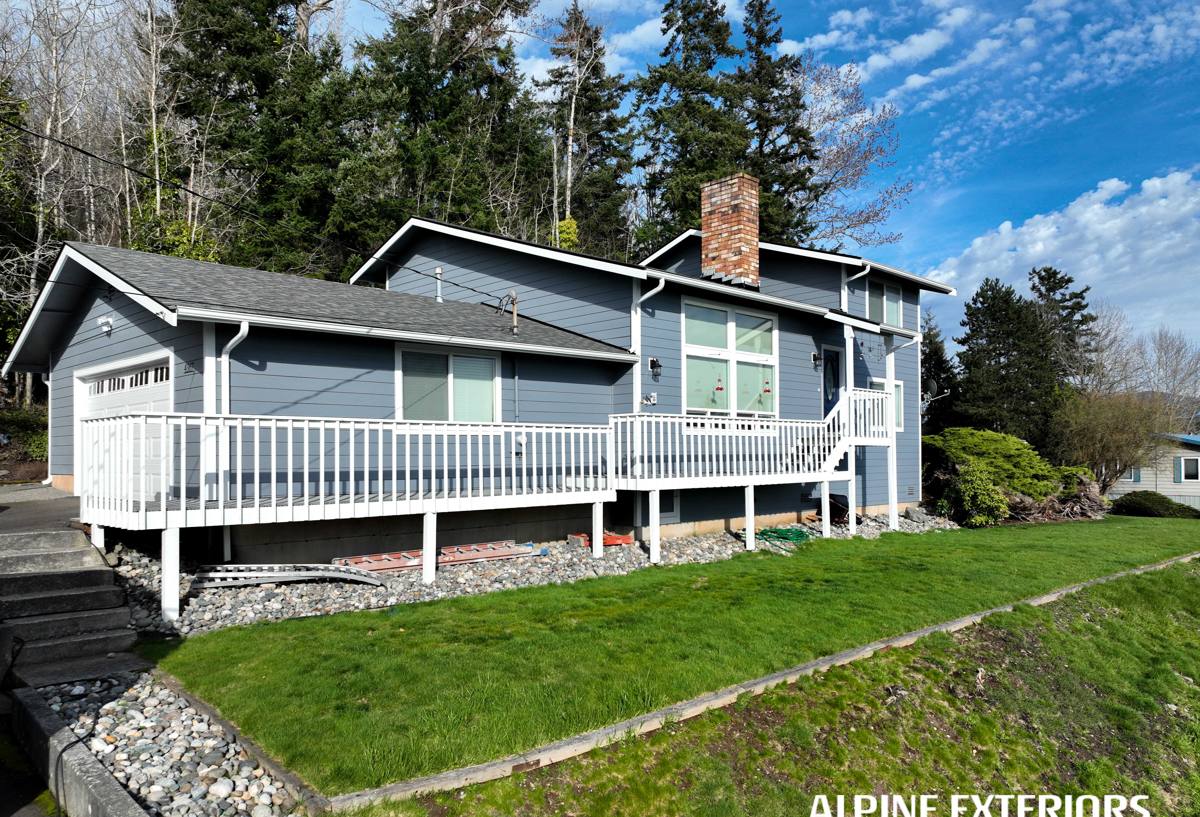
Common Roof Problems We See Around Deming
Every region has its own roofing failure patterns, and Deming's are shaped by tree cover and near-constant moisture rather than heat or wind. The issues we get called out for most often include:
- Moss and algae working under shingle edges and lifting them, letting water track underneath
- Clogged gutters and downspouts from fir and cedar needles, causing water to back up under the roof edge
- Flashing around chimneys, skylights, and roof-to-wall transitions that's corroded or come loose
- Soft, spongy decking under valleys or in shaded north-facing sections that stay wet longest
- Nail pops and cracked sealant from freeze-thaw cycles during cold snaps
- Granule loss on older asphalt shingles that speeds up UV and moisture damage
None of these are unusual roofing problems on their own. What's specific to Deming is how quickly they compound when a roof sits shaded and damp for most of the year instead of getting regular sun exposure to dry out between storms.
What a Proper Roof Repair Actually Involves
It Starts With Finding the Real Source
A stain on the ceiling rarely shows up directly below the actual leak — water travels along rafters and sheathing before it drips. A repair that just seals the spot where the stain appears often misses the real entry point, which means the leak comes back in the next hard rain. We trace the path from the interior damage up through the attic or roof deck to find where water is actually getting in.
Then Addressing the Cause, Not Just the Symptom
If shingles failed because moss lifted them, replacing a few shingles without addressing the moss just buys a season or two. If flashing failed because it was undersized or improperly lapped, a bead of sealant over the gap is a temporary fix, not a repair. We deal with the underlying cause — proper flashing technique, correct shingle overlap, cleared drainage paths — so the fix holds.
And Matching the Existing Roof Correctly
Repairs should blend into the surrounding roof, both in material and in how the shingles are woven into the existing courses. A patch that's just laid on top or poorly tied in becomes its own future leak point, especially once it starts trapping moss and debris around its edges.
Moss, Debris, and Tree Cover: The Deming-Specific Challenge
Most of the repair calls we get in this area trace back to one root cause: a roof that doesn't get enough sun and airflow to dry out between rain events. Deming's tree-lined properties are part of what makes the area appealing, but that same shade means moss and moisture-loving growth take hold faster and stay established longer than they would on an open, sun-exposed roof closer to town.
Moss isn't just a cosmetic issue. As it grows, it holds water directly against the shingle surface and works its rhizoids under the tabs, gradually lifting them. Once shingles are lifted even slightly, wind-driven rain gets underneath, and from there it's a matter of time before it reaches the decking. Needle and leaf litter compounds the problem by damming water in valleys and behind chimneys, so it sits and soaks instead of draining off.
This is why a repair on a Deming roof usually includes some combination of moss treatment, debris clearing, and a look at whether gutters and downspouts are actually keeping up with the runoff coming off a tall, shaded roofline — not just a shingle swap.
Our Roof Repair Process
We keep the process straightforward and communicate clearly at each step, since most homeowners calling about a leak are already dealing with enough stress.
1. Inspection
We get on the roof (weather permitting) and in the attic to trace the leak, check flashing, valleys, and penetrations, and assess the overall condition of the surrounding roofing — not just the immediate problem area.
2. Honest Assessment
We explain what we found in plain terms: what needs to be repaired now, what's worth keeping an eye on, and whether the roof's overall age and condition make a targeted repair the right call versus a larger section replacement.
3. The Repair Itself
We remove and replace damaged material back to sound decking, correct any flashing or underlayment issues at the source, and reinstall shingles woven properly into the existing roof so the repair holds up structurally and visually.
4. Cleanup and Walkthrough
We clear debris and old material from the property and walk you through the work completed, including anything we'd recommend watching going forward.
Repair vs. Replacement: How We Help You Decide
Not every roof problem calls for a full replacement, and not every leak should be treated with a quick patch. The right call depends on the roof's age, how widespread the damage is, and what's happening underneath the surface.
| Factor | Favors Repair | Favors Replacement |
|---|---|---|
| Roof age | Under 15-20 years, matching material available | Nearing or past expected shingle lifespan |
| Damage location | Isolated to one section, flashing, or valley | Spread across multiple slopes or the whole roof |
| Decking condition | Solid, dry sheathing under the damaged area | Soft, delaminated, or repeatedly wet decking |
| Shingle condition elsewhere | Granules intact, tabs still sealing | Widespread granule loss, curling, or brittleness |
| History of leaks | First occurrence in that spot | Recurring leaks in different areas over time |
We'll always tell you honestly which side of that table your roof falls on rather than defaulting to the bigger job.
Materials We Use and Why
For repair work, matching the existing roofing material as closely as possible matters for both performance and appearance. We work primarily with architectural asphalt shingles, which remain the most practical choice for the moisture and moss pressure common in this part of Whatcom County — they're widely available in matching profiles and colors, install with a predictable seal pattern, and are straightforward to tie into an existing roof without a visible patch line.
On flashing and metal components, we prioritize corrosion-resistant materials given the salt-influenced air that reaches inland across the county, along with the sustained moisture exposure typical of shaded Deming rooflines. Where a homeowner's existing roof uses a different material — cedar shake, metal panel, or otherwise — we'll be upfront if a repair calls for skills or materials outside what we do well, rather than forcing a fix that won't perform.
Why Hire a Crew That Already Works in Deming
A roof repair crew that's worked on homes throughout Lynden and out toward Deming already knows what to expect before they get on the roof: the moss pressure from heavy tree cover, the drainage demands of steady Whatcom County rain, and the way shaded, north-facing sections tend to fail earlier than sun-exposed ones. That familiarity means less time spent diagnosing basic regional patterns and more time on getting the actual fix right.
It also means someone who understands that a repair completed in July needs to hold up through a wet Whatcom County winter, not just look fine on a dry inspection day. We size flashing, sealant, and moss treatment decisions around what the roof will actually face here, not a generic checklist.
Signs You Need a Roof Repair Now
Roof problems in wooded, wet climates rarely announce themselves loudly at first. Catching them early is almost always cheaper and less disruptive than waiting for an active leak inside the house. Watch for:
- Visible moss growth, especially along shaded slopes or roof edges
- Dark streaking or algae staining on shingles
- Granules collecting in gutters or at downspout outlets
- Shingles that look lifted, curled, or out of line with the surrounding roof
- Water stains or discoloration on interior ceilings or in the attic
- Soft spots underfoot if you're ever on the roof for another reason
- Daylight visible through the roof deck from inside the attic
- Gutters overflowing during heavy rain instead of draining cleanly
If any of these sound familiar, it's worth having a roof looked at before the next storm system moves through rather than after.
If you're noticing any of these signs on your Deming-area home, we're happy to take a look and give you a straightforward, no-pressure estimate — just fill out the form below.