 Lynden Siding
 Everson's Climate Is Harder on Siding Than It Looks
Everson sits in the Nooksack River valley in Whatcom County, close enough to Bellingham Bay that marine air moves inland on a regular basis, and far enough into farm country that humidity lingers in the low spots long after a storm passes. That combination — salt-tinged air, driving rain that comes in sideways during winter systems, and a moss season that can run eight months out of the year — is a tougher test for exterior siding than most homeowners realize until they're dealing with the damage.
Wood-based products absorb that moisture cycle. Vinyl shrugs off water but moves and warps with temperature swings and offers no real defense against the moss and algae that thrive in shaded, damp siding cavities. Whatcom County's freeze-thaw winters, wet springs, and humid summers punish any siding system that wasn't engineered specifically for this kind of exposure. That's the entire reason we standardized on James Hardie fiber cement and stopped installing anything else.
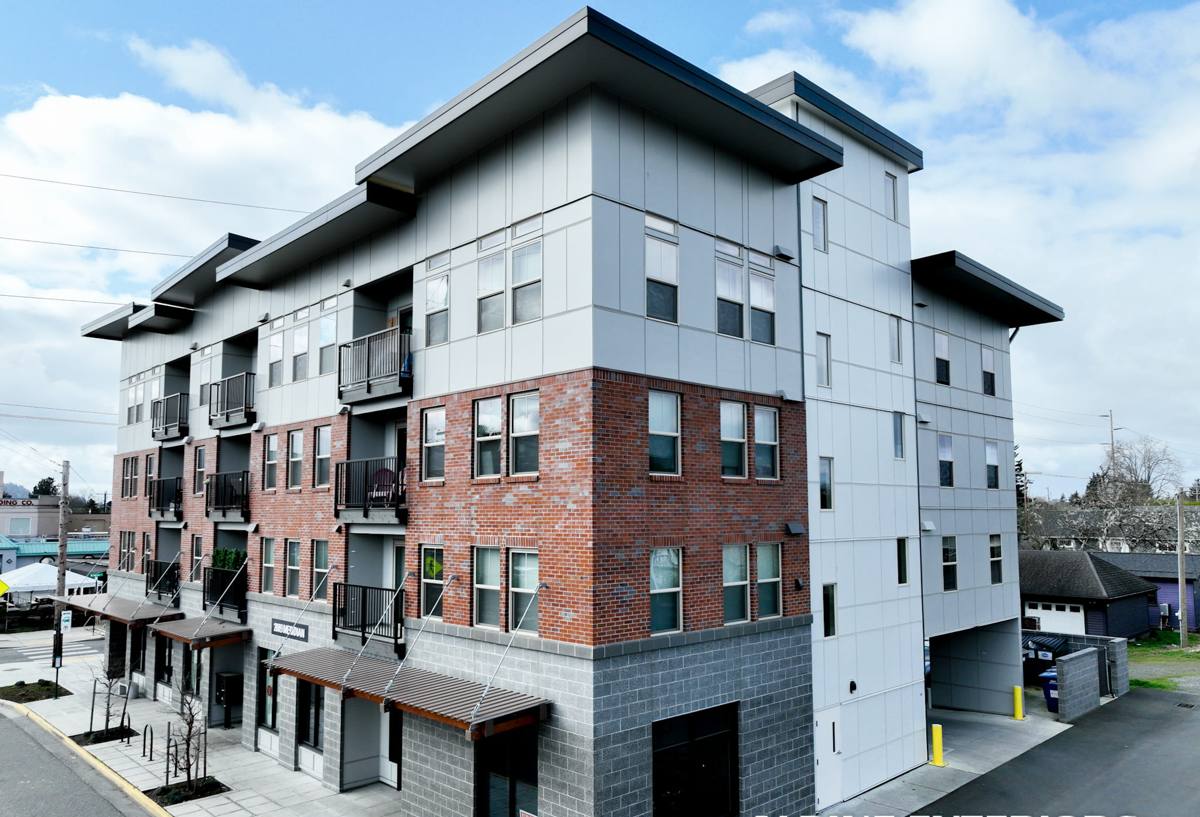
Why We Only Install James Hardie Fiber Cement
Fiber cement siding is a mix of cement, sand, and cellulose fiber, pressed and cured into planks and panels that don't rot, don't feed insects, and don't burn. James Hardie is the manufacturer we've settled on for every job in Everson and the rest of our Lynden service area, and it's not a brand preference — it's a materials decision based on how the product is engineered and warrantied.
Climate-Engineered for the Pacific Northwest
Hardie makes region-specific formulations under its HZ5 line for wetter climates like ours. The formulation is built to handle sustained moisture exposure and freeze-thaw cycling without the swelling, splitting, or delamination that generic composite boards can develop over time. For a valley town like Everson, where rain events stack up back-to-back for days, that engineering matters more than it does in a dry climate.
Factory-Applied ColorPlus Finish
Most of the siding we install carries Hardie's ColorPlus finish — a baked-on, factory-cured coating that's more consistent and more resistant to fading and moisture intrusion than a field-applied paint job. It also comes with its own finish warranty, separate from the substrate warranty, which matters in a climate where paint failure is usually a moisture problem in disguise.
Non-Combustible
Fiber cement doesn't support combustion, which is a meaningful difference from wood and engineered-wood siding products during wildfire season. It's a secondary benefit here compared to moisture performance, but it's a real one, and it factors into some homeowners' insurance conversations.
What a Correct Fiber Cement Installation Actually Involves
Fiber cement siding is only as good as the installation behind it. The product itself is durable, but the water-resistive barrier, flashing, and fastening details underneath it are what actually keep water out of the wall assembly. This is where a lot of siding jobs — on any brand — go wrong.
Weather-Resistive Barrier and Drainage Plane
Every wall gets a continuous water-resistive barrier before any siding goes up. In a rain-driven climate like Everson's, we pay close attention to how that barrier laps and drains, not just whether it's present. A drainage gap behind the siding gives incidental moisture a path down and out instead of trapping it against the sheathing.
Flashing at Every Penetration
Windows, doors, hose bibs, light fixtures, and any other wall penetration need proper flashing integrated with the water-resistive barrier — not just caulk. Caulk is a maintenance item, not a waterproofing strategy. Wind-driven rain finds the gaps that flashing was supposed to cover, and that's usually where rot starts.
Fastening and Clearances
Hardie specifies exact fastener types, spacing, and penetration depth, along with minimum clearances from grade, roof lines, decks, and other siding terminations. Nail it wrong and you can void the manufacturer's warranty even though the board itself is undamaged. We follow Hardie's installation instructions to the letter because that's what keeps the warranty intact if something ever does go wrong.
Joints and Caulking
Butt joints, corners, and trim transitions are where fiber cement siding is most likely to take on water if they're done carelessly. We back-caulk and seal joints per manufacturer spec and keep field-cut edges properly sealed and primed before they go up, not after.
Signs Your Everson Home's Current Siding Is Losing the Fight
Homeowners often call us after noticing one or two symptoms without realizing they're connected. Here's what we look for during an inspection, and what you can check yourself before requesting an estimate.
- Moss or dark green-black staining that keeps returning on north- and shade-facing walls within a few months of cleaning
- Paint that's bubbling, peeling, or chalking heavily, especially near seams and trim
- Soft or spongy spots when you press on the siding, particularly near the bottom courses and window sills
- Visible cupping, warping, or separated joints on wood or composite boards
- Caulk that's cracked, shrunk, or pulled away from trim and corners
- A musty smell or visible staining on interior walls that share an exterior wall with problem siding
- Siding that was installed tight to the ground or to a deck with no clearance for drainage
Any one of these can be a minor fix. Several at once, especially on a home more than 15-20 years old, usually means the underlying wall assembly has been taking on moisture for a while and a full siding replacement is the more honest recommendation than another round of caulk and paint.
Fiber Cement Compared to Other Siding Options
We get asked regularly why we don't offer vinyl, LP SmartSide, or cedar as alternatives. Here's the honest comparison we'd give any homeowner in Everson weighing their options.
| Siding Type | Moisture Behavior in This Climate | Maintenance Burden | Typical Longevity Here |
|---|---|---|---|
| James Hardie Fiber Cement | Engineered for wet, marine-influenced climates; doesn't rot or swell | Occasional rinse and caulk check | 30+ years with correct install |
| Vinyl | Doesn't absorb water but traps moisture behind it; warps with heat/cold | Low, but panels can crack and fade | 15-25 years, shorter in direct sun exposure |
| Engineered Wood (LP SmartSide) | Wood-based core is vulnerable if the finish or flashing fails | Regular finish inspection and touch-up | Varies widely with moisture exposure |
| Cedar / Primed Spruce | Natural wood; absorbs moisture and is highly susceptible to moss and rot in shaded, damp areas | Frequent refinishing, sealing, and moss treatment | Shorter without diligent upkeep |
Vinyl and engineered wood aren't bad products in every climate. They're just not the products we're willing to warranty our workmanship on in a valley that stays damp as long as this one does. We install fiber cement because it's the system that holds up the longest with the least ongoing maintenance for the specific weather Everson deals with.
Cost Factors for a Fiber Cement Siding Job in Everson
Every home is different, so we don't quote sight unseen — but these are the main variables that move a project's price up or down.
| Factor | Why It Matters |
|---|---|
| Existing siding removal and disposal | Tear-off, hauling, and any rot repair found underneath add labor before new siding even starts |
| Home size and number of stories | More square footage and higher wall heights mean more material, staging, and labor |
| Trim and architectural detail | Multiple gables, dormers, and window/door counts add cutting, flashing, and finish time |
| Lap siding vs. panel siding | Different Hardie product lines have different material and labor costs per square foot |
| Factory ColorPlus finish vs. field paint | Pre-finished boards reduce on-site painting labor and carry their own finish warranty |
| Moisture or structural repair needed | Rotten sheathing or framing found during tear-off must be repaired before new siding goes on |
We'll walk the full exterior with you, point out anything we find, and give you a written estimate before any work starts — no pressure to sign on the spot.
How Our Process Works, Start to Finish
- On-site inspection: We walk the exterior, check for existing moisture damage, and assess trim, window, and roofline details.
- Written estimate: You get a clear scope of work and price before committing to anything.
- Tear-off and moisture check: Old siding comes off and we inspect the sheathing underneath for hidden rot before covering it back up.
- Water-resistive barrier and flashing: A continuous barrier and properly integrated flashing go in at every window, door, and penetration.
- Fiber cement installation: Hardie boards or panels go up to manufacturer spec for fastening, clearances, and joint treatment.
- Trim, caulking, and touch-up: Corners, trim, and any field-cut edges are sealed and finished properly.
- Final walkthrough: We go over the finished job with you and address anything on your punch list before we call it done.
Why Hiring a Crew That Already Works Everson Matters
Siding installation quality depends heavily on whether the crew understands the specific conditions of the wall they're closing up. In Everson and the surrounding Whatcom County valley, that means knowing how moisture moves through a wall assembly during a wet winter, where moss tends to establish first on a given elevation, and how to detail flashing for driving rain rather than just vertical rainfall. Crews that mostly work drier climates or unfamiliar regions sometimes skip details that don't matter elsewhere but matter a lot here.
Working regularly in this area also means we're familiar with the permitting expectations and inspection process local jurisdictions use, so a project moves through approval without unnecessary delays. That local familiarity is part of what you're paying for when you hire a contractor who already knows the ground they're standing on.
Maintaining Your Fiber Cement Siding After Installation
Fiber cement is low-maintenance, not no-maintenance. A little attention keeps it performing for decades in this climate.
Annual Rinse
A gentle rinse once a year, especially on shaded or north-facing walls, keeps moss and algae from getting a foothold. Avoid high-pressure washing directly at seams and joints.
Caulk and Joint Inspection
Check caulked joints and trim transitions annually. Cracked or shrunken caulk is a five-minute fix if caught early and a much bigger problem if water gets behind the siding first.
Gutter and Landscape Management
Keep gutters clear and vegetation trimmed back from siding. Standing water and constant shade are the two biggest contributors to moss growth and slow moisture damage on any siding, fiber cement included.
Ready to Talk About Your Siding?
If your Everson home's siding is showing wear, or you're planning ahead for a replacement, we'll come take a look, give you an honest assessment, and put together a free, no-pressure estimate. Use the form below to get started.