 Lynden Siding
 Deck Building for Maple Falls Homes
Maple Falls sits in the wooded, higher-rainfall part of Whatcom County, and that changes what a deck needs to hold up over time. A deck built the same way you'd build one in a dry, open-sun neighborhood will show problems here faster — soft spots at the ledger, black streaking on the boards, slick spots in the shade, hardware that rusts before the wood even shows its age. None of that is inevitable. It's a matter of building for the site you actually have, not a generic set of plans.
We build and repair decks throughout the Lynden area, and Maple Falls jobs get treated differently from a start. More tree canopy means more standing moisture and organic debris on the deck surface. More shade means slower drying between rain events. And a longer wet season across Whatcom County in general means every material choice and connection detail either sheds water or traps it. This page walks through what that means in practice — for materials, framing, code compliance, and the process we follow from first site visit to final walk-through.
What the Site Conditions Around Maple Falls Mean for Your Deck
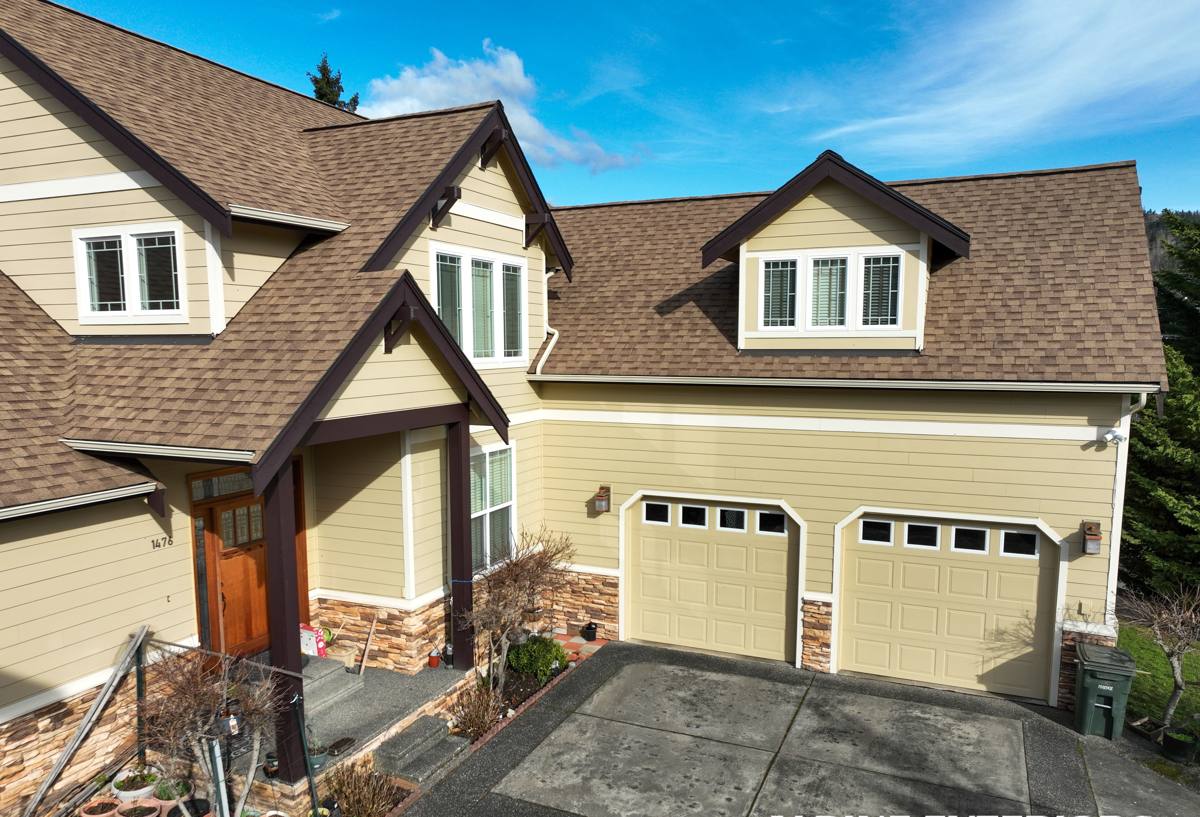
Homes in and around Maple Falls tend to sit on wooded or partly wooded lots, often with more grade change and less direct afternoon sun than properties closer to town. That combination — shade, tree debris, and slower evaporation — is the single biggest factor in how a deck ages out here. Before we talk materials or framing, we look at the site itself:
Sun and Shade Exposure
A deck that sits mostly in shade will stay damp longer after every rain. That's not a reason to avoid a shaded deck — plenty of homeowners want the shade — but it does change which decking material makes sense and how aggressive the maintenance schedule needs to be.
Tree Cover and Debris
Needles, leaves, and pollen collect in the gaps between boards and against the house wall. Left there, that debris holds moisture against the wood or composite surface and is one of the main drivers of moss and mildew growth. Board spacing and gap width matter more under tree cover than they do on an open lot.
Drainage and Grade
Sloped or uneven lots, which are common in this part of the county, need footings and ledger connections sized and placed correctly for the actual grade — not a standard flat-lot layout. Poor drainage under a low deck is a common cause of rot we get called out to fix.
Choosing Decking Material for This Climate
There's no single "best" decking material — there's a best material for your budget, your sun exposure, and how much upkeep you actually want to do. In a shaded, moisture-prone setting like much of Maple Falls, the trade-offs below matter more than they would on a dry, open lot.
| Material | How It Handles Moisture & Moss | Maintenance | Typical Lifespan |
|---|---|---|---|
| Pressure-treated wood | Absorbs moisture readily; needs a breathable finish and good airflow underneath to avoid cupping and mildew | Annual cleaning, re-sealing every 1-3 years | 15-25 years with upkeep |
| Cedar | Naturally more rot- and insect-resistant than most softwoods, but still needs sealing to fight graying and moss in shaded areas | Cleaning and re-sealing every 1-2 years in wet, shaded spots | 20-25 years with upkeep |
| Traditional (uncapped) composite | Won't rot, but the exposed fiber surface can hold surface moisture and grow moss/mildew if not cleaned | Periodic washing; no sealing needed | 20-30 years |
| Capped composite / PVC | Fully sealed shell resists moisture absorption and staining best of the options here; still needs occasional washing to clear organic debris | Low — occasional washing | 25+ years, strong warranty coverage |
We'll be direct about our own standard: on shaded, tree-covered lots we steer most homeowners toward capped composite or a well-sealed cedar system rather than budget uncapped composite or unfinished treated lumber left to weather on its own. It's not that the cheaper options fail — it's that the maintenance burden to keep them looking and performing well is higher in a wet, shaded setting, and we'd rather set that expectation up front than have you dealing with a mossy deck two summers in.
Board Orientation and Spacing
Wider gaps between boards, run in the direction that best matches your site's drainage path, let water and debris move off the deck instead of collecting in the joints. It's a small detail on paper but one of the more effective ways to cut down on moss and slip risk in a shaded yard.
Framing and Substructure — Where Decks Actually Fail
The decking surface is what you see, but the framing underneath is what determines whether the deck lasts. Most deck failures we're called to repair start below the boards, not on top of them.
Footings and Frost Depth
Footings need to be sized and set below the local frost line, on undisturbed or properly compacted soil. Whatcom County's building department sets the frost depth and footing requirements that apply to your specific site, and we design to those requirements rather than guessing at a standard depth. Sites with more slope or softer soil, which are common around Maple Falls, sometimes need larger or additional footings to stay stable over time.
Ledger Attachment and Flashing
Where a deck attaches to the house is the single most common point of water intrusion and structural failure in residential decks. A correct ledger installation includes proper flashing that directs water away from the house wall and framing, not just lag bolts and a hope that caulk will hold. In a climate with as much sustained rain as Whatcom County sees, this detail alone is worth more to the longevity of your deck than the decking material you choose.
Joist Protection
Untreated cut ends and joist tops are where rot typically starts first, since end grain absorbs water far faster than the face of the board. Joist tape or a flashed cap over the top of each joist, plus sealing any field cuts, keeps water from soaking into the framing from above.
Hardware
Fasteners, joist hangers, and structural connectors need to be rated for the treated lumber and moisture exposure they'll see — mismatched hardware corrodes and weakens over time, especially with the amount of moisture this area holds through fall, winter, and spring.
Railings, Stairs, and Code Compliance
Any deck built above a certain height off grade needs a code-compliant guardrail system, and stairs have their own rules for rise, run, and handrail height. These aren't optional design choices — they're life-safety requirements enforced through the Whatcom County permitting and inspection process, and they apply whether your deck is a small platform off the kitchen or a large multi-level structure on a sloped lot.
We pull permits and schedule inspections as part of the build rather than treating that as the homeowner's problem to sort out afterward. A permitted, inspected deck also matters at resale — an unpermitted structure can become a negotiating issue or even a required fix when the home eventually sells.
Moss, Mold, and Long-Term Maintenance
Given the shade and moisture common around Maple Falls, moss and surface mildew are the maintenance issue we hear about most from deck owners in this area — more than any structural concern. The good news is that most of it is manageable with the right build details and a simple seasonal routine.
What Helps Prevent It
- Adequate gap spacing between boards so water and debris don't sit in the joints
- Enough clearance and airflow underneath the deck rather than a low, boxed-in structure
- Regular clearing of leaves and needles from the surface and between boards, especially into fall
- A breathable, appropriate finish on wood decking, reapplied on schedule rather than left to wear off
- Periodic washing of composite surfaces to remove the organic film that moss and algae attach to
None of this is a lot of work individually, but skipping it for a year or two on a shaded deck is usually when problems start to compound.
Our Deck-Building Process
The process is the same core steps for every deck, but each step gets adjusted to your specific lot once we're on site.
- Site visit and design consultation. We walk the site, look at sun exposure, tree cover, drainage, and how the deck will connect to the house, and talk through your goals and budget.
- Material and layout selection. Based on that site visit, we recommend decking, framing, and railing options suited to the shade and moisture conditions of your specific lot — not a one-size-fits-all package.
- Permitting. We handle the permit application and design documentation required by Whatcom County before any construction starts.
- Footings and framing. Footings are set to the required depth and the substructure is built with proper ledger flashing, joist protection, and rated hardware throughout.
- Decking, railing, and stairs. Surface material is installed with spacing and fastening appropriate to the product and the site, followed by code-compliant railings and stairs.
- Inspection and final walk-through. The build passes required inspections, and we walk the finished deck with you and cover the maintenance routine that fits your specific material and site conditions.
Checklist: What to Ask Before Hiring a Deck Contractor in Maple Falls
- Are they licensed, bonded, and insured to build in Whatcom County?
- Will they pull the required permit and schedule inspections, or is that left to you?
- Do they size footings to the actual frost depth and soil conditions on your lot, or use a standard depth everywhere?
- Do they detail ledger flashing and joist protection, or just describe "attaching to the house"?
- Can they explain the maintenance trade-offs between wood, uncapped composite, and capped composite for a shaded lot — not just push one product?
- Have they worked on wooded, sloped, or shaded lots similar to yours before?
Why Local Build Experience Matters Here
A deck built to a generic spec sheet can look fine the day it's finished. What separates a deck that still looks and performs well in ten years from one that doesn't is whether it was built for the moisture, shade, and drainage conditions of the actual lot it sits on. That's the difference between a crew that builds decks in general and one that has built and repaired decks specifically around Maple Falls, Lynden, and the rest of Whatcom County — we've seen where the moss starts, where the ledger rots first, and which footing depths hold up on this area's soil and slope conditions. That experience shows up in the details you don't see once the deck is finished, which is exactly where it matters most.
If you're planning a new deck or need an honest look at one that's showing its age, we're glad to come out, walk the site, and put together a free, no-pressure estimate — just fill out the form below.