 Lynden Siding
 Custer's Climate Is Hard on Decks
Custer sits close to the Whatcom County coastline, near enough to the Salish Sea that salt-laden air is a regular part of the weather, not an occasional visitor. Combine that with the driving rain that comes off Pacific storm systems most of the year, plus a moss season that can stretch from October well into spring, and you have a climate that is genuinely tough on any exterior wood structure. A deck out here isn't just weathering the sun the way it might in a drier part of the state — it's absorbing moisture, drying out, absorbing it again, and doing that dozens of times a season.
Salt air accelerates corrosion on fasteners and metal hardware faster than most homeowners expect. Driving rain finds its way into joints, seams, and end grain that would stay dry in a calmer climate. And moss doesn't just look bad — it holds water against the decking surface and framing long after a storm has passed, which is exactly the kind of prolonged dampness that leads to rot. None of this means a deck in Custer is doomed. It means repairs have to account for all three factors, or the same problem comes back in a year or two.
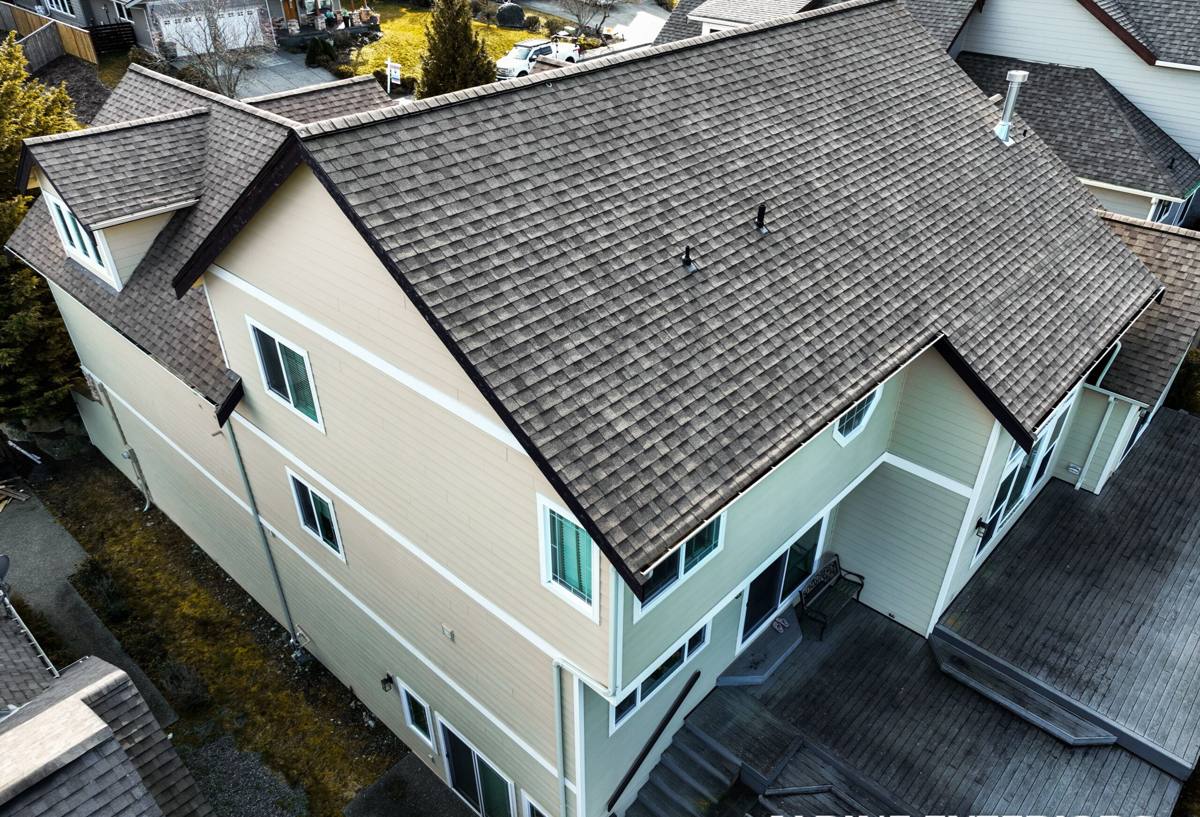
Signs a Custer Deck Needs Repair
Most deck problems start small and stay hidden until they aren't. Homeowners in this area tend to notice one of a handful of warning signs first:
- Soft or spongy spots underfoot, especially near the house or at board ends
- Green or black staining that keeps returning within weeks of cleaning
- Rust streaks running down from screws, nails, or metal brackets
- Gaps opening up between boards, or boards that have started to cup or crown
- Railings or stair stringers that feel loose or flex under weight
- Visible daylight or water staining where the deck meets the house wall
- A musty smell coming from underneath the deck after rain
Any one of these on its own might be minor. Two or three together usually means moisture has been getting into the structure for a while, and it's worth having someone look underneath, not just at the walking surface.
What a Correct Deck Repair Actually Involves
Structural framing
The joists, beams, and posts underneath are what actually hold a deck up, and they're also the parts most likely to be hiding rot because they're rarely inspected. A proper repair means getting underneath the deck, checking framing members by hand — not just by eye — and replacing anything that's soft, cracked, or has lost its structural integrity. Patching over a compromised joist is one of the most common shortcuts we see, and it's also one of the most dangerous.
Ledger board and flashing
The ledger board, where the deck attaches to the house, is the single most common source of hidden water damage on any deck in a wet climate. If flashing is missing, undersized, or was never installed correctly, water runs behind the ledger and into the house rim joist — sometimes for years before it shows up as a soft spot or a stain inside. Any repair that doesn't check and correct the ledger flashing is leaving the door open for the same failure to happen again.
Fasteners and hardware
Standard fasteners corrode faster near the coast, and once a nail or screw starts rusting, it loosens its grip on the wood around it — which is how a solid-feeling board becomes a wobbly one. Repairs in Custer should use fasteners and structural connectors rated for coastal or treated-lumber exposure, not whatever happens to be on the shelf. It costs a little more up front and saves a callback later.
Decking surface
Individual board replacement is often the most visible part of a repair, but it only works if the framing underneath it is sound. Replacing a rotten board over a rotten joist just delays the same conversation by another season.
Repair or Replace? How We Make That Call
Not every deck problem calls for a full rebuild, and not every deck can be reasonably patched. We look at the structure as a whole before recommending either option.
| Situation | Repair Usually Makes Sense | Replacement Usually Makes Sense |
|---|---|---|
| Framing condition | Isolated soft spots, most joists and beams sound | Rot has spread through multiple structural members |
| Age of the deck | Under 15 years, built to a reasonable code standard | Older structure with outdated framing or footings |
| Ledger/flashing | Flashing intact, water intrusion is localized | Long-term water intrusion has damaged the house rim joist |
| Decking surface | Scattered board failures | Widespread cupping, splitting, or fastener pop-through |
| Owner's goals | Keep current layout and footprint | Want a different size, shape, or material |
A straightforward answer, but the details matter: we won't recommend a full rebuild just to sell a bigger job, and we won't patch a deck that isn't safe to stand on just to keep the estimate small.
Materials We Recommend for This Climate
Framing lumber should be pressure-treated and rated for ground contact where it's within a few inches of soil or concrete — that's non-negotiable in a climate this wet. For the decking surface itself, homeowners generally choose between quality treated or cedar lumber and composite decking, and both have real trade-offs worth understanding before deciding.
| Factor | Treated/Cedar Wood | Composite Decking |
|---|---|---|
| Upfront cost | Lower | Higher |
| Moss and mildew resistance | Needs regular cleaning and sealing | Resists staining better, still needs periodic washing |
| Maintenance routine | Annual cleaning, periodic sealing or staining | Occasional washing, no sealing required |
| Appearance over time | Natural look, will gray and weather without upkeep | Consistent color, some products can fade unevenly in strong UV |
| Repair approach | Individual boards easy to source and replace | Matching older discontinued colors can be difficult |
Our standard is to be upfront about this trade-off rather than pushing one product. Wood costs less and repairs are simple, but it demands real maintenance in this climate. Composite costs more up front and handles moss and moisture with less upkeep, but repairing or matching it years later can be harder if a board gets damaged. Either one holds up fine in Custer when it's installed correctly with proper flashing, fasteners, and drainage underneath — the material matters less than the installation.
Our Deck Repair Process
- Full inspection, including underneath. We check framing, ledger flashing, posts, and footings, not just the walking surface.
- Honest assessment. We tell you what's actually wrong, what's driving it, and whether repair or replacement is the more sensible path.
- Written scope and estimate. You know what's being replaced, what's being reused, and roughly what it will cost before we start.
- Structural work first. Any compromised framing, ledger, or flashing gets corrected before cosmetic work begins.
- Surface repair or replacement. Decking, railings, and stairs are addressed once the structure underneath is sound.
- Final walkthrough. We check the repair with you and explain any maintenance it will need going forward.
A Maintenance Checklist for Whatcom County Deck Owners
Between visits from a contractor, a little seasonal attention goes a long way toward keeping a deck out of trouble in this climate:
- Sweep off leaves and debris regularly through fall — trapped debris holds moisture and feeds moss
- Clean visible moss and algae at least once a year, ideally before the wettest months arrive
- Check the gap between deck boards and clear out anything blocking drainage
- Look underneath once a year for standing water, soft wood, or rust streaks
- Inspect where the deck meets the house for staining, gaps, or soft siding
- Tighten or replace any loose, popped, or visibly rusting fasteners
- Reseal or restain wood decking on the manufacturer's recommended schedule, not just when it looks faded
Why Hire a Crew That Already Works in Custer
A deck repair company that mostly works drier inland climates can still do competent framing work, but they may not automatically think about coastal fastener corrosion, ledger flashing built for sustained rain, or how fast moss establishes itself on a north-facing deck out here. A crew that regularly works Custer and the surrounding Whatcom County area has already seen how local decks fail, which means the repair addresses the actual cause instead of just the visible symptom. That's the difference between a repair that lasts one season and one that lasts a decade.
If you're dealing with a soft spot, a wobbly railing, or a deck that just doesn't feel as solid as it used to, we're happy to take a look and give you a straightforward, no-pressure estimate — no obligation, just an honest read on what your deck actually needs. You can request one using the form below.