 Lynden Siding
 Metal Roofing in Laurel: Built for What This Climate Actually Does
Laurel sits in the part of Whatcom County where the weather doesn't do anything dramatic — it just doesn't stop. Long stretches of drizzle, damp air moving in off the Salish Sea region, short winter days that never quite dry a roof surface out, and moss that finds a foothold anywhere shade and moisture linger. None of that is unusual for this part of Washington. But it does mean a roof here works harder, longer, than the same roof would in a drier climate, and it's why the details of a metal roofing install matter more in Laurel than in a lot of places.
This page is about one thing: metal roofing, done correctly, for homes in and around Laurel. Not a general overview of metal roofing everywhere — what it specifically needs to hold up here, what a correct installation looks like, and how we approach these jobs.
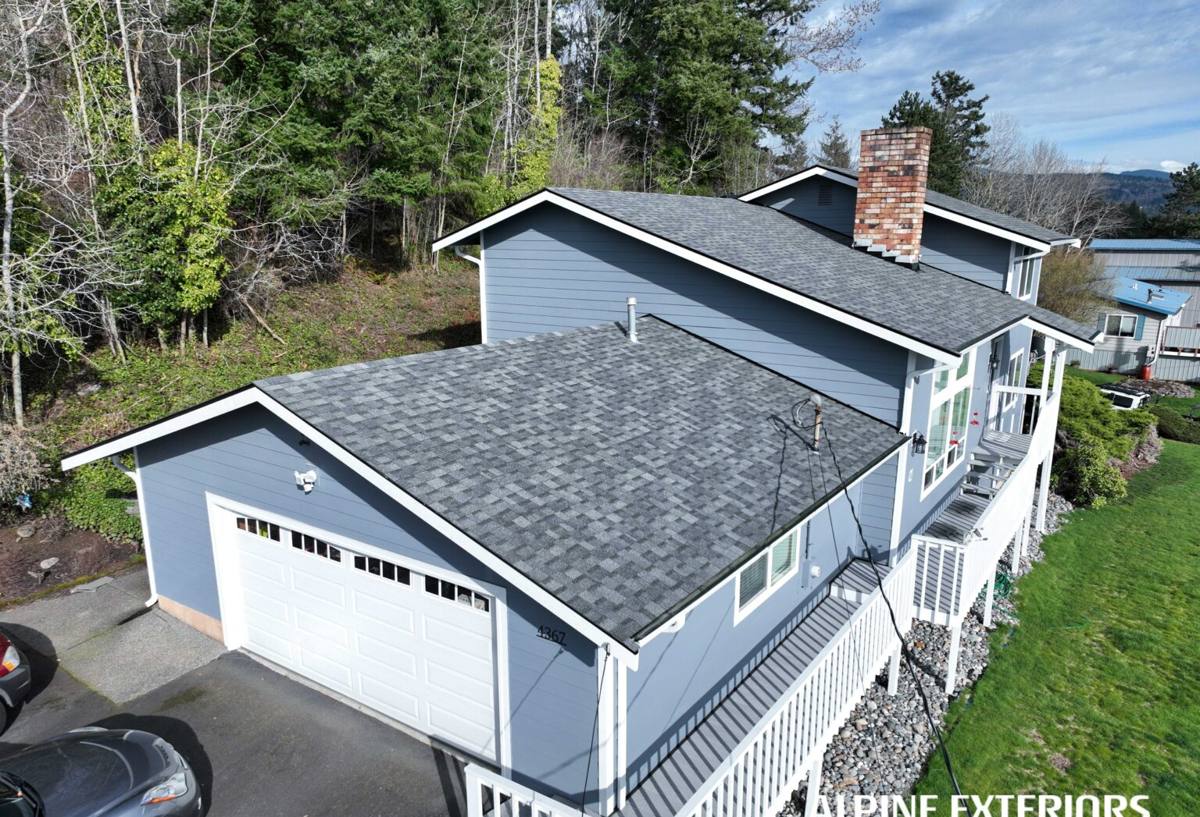
What Lynden's Climate Does to a Roof Over Time
Whatcom County weather is mild compared to a lot of the country, which is part of the problem — nothing forces a roof to dry out fast. Understanding the specific stresses helps explain why certain installation details aren't optional.
Driving Rain and Wind-Driven Moisture
Rain here rarely falls straight down. Wind off open fields and low pressure systems pushes it sideways, which means water finds its way under poorly lapped flashing, around chimneys, and into any gap that a fair-weather installation would get away with. A metal roof is only as water-tight as its flashing details, and in Laurel those details get tested constantly, not occasionally.
Salt Air and Coastal Moisture Influence
Whatcom County's proximity to Puget Sound and the Salish Sea means the air carries a fine load of salt-laden moisture on top of ordinary rainfall, especially during onshore weather patterns. That combination accelerates corrosion on unprotected fasteners, cut edges, and lower-grade coatings faster than plain fresh water would. It's a real factor in choosing panel material and coating grade for this area — not a reason to avoid metal roofing, but a reason to spec it correctly.
The Long Moss Season
Shaded roof slopes, tree cover, and month after month of damp air give moss a long runway to establish itself. On asphalt shingles, moss roots into the mat and shortens the roof's life. On metal, moss can't root the same way, but it can still hold moisture against seams and fasteners if debris and organic buildup are allowed to sit. The difference is maintenance, not vulnerability — a well-installed metal roof in Laurel sheds moss far more easily than shingles ever will, but it still needs to be kept clear.
Choosing the Right Metal Roofing System for a Laurel Home
Not all metal roofing is the same product wearing different colors. The panel style and coating you choose has a direct effect on how the roof performs against wind-driven rain and moisture over the decades it's expected to last.
Standing Seam vs. Exposed Fastener Panels
Standing seam panels use concealed clips and interlocking seams, with no exposed screws penetrating the panel face. That matters here because every exposed fastener is a potential point where a rubber washer eventually hardens, cracks, and lets water in — and in a climate that rarely gives a roof a long dry spell to reveal a slow leak, small failures like that can go unnoticed for a while. Exposed fastener panels are a legitimate, lower-cost option and can perform well on outbuildings, shops, and simpler rooflines when installed with the right screw pattern and washer quality. For primary residences in Laurel, we generally recommend standing seam for its lower long-term maintenance and better performance against driving rain.
Coatings and Corrosion Resistance
Given the marine moisture influence in this region, coating quality is not a place to cut corners. Galvalume and quality Kynar/PVDF-type finishes hold up well against the combination of UV, rain, and salt-influenced air common to Whatcom County. Cheaper mill-finish or thin-coating panels may look identical on day one but show chalking, fading, or edge corrosion years sooner. We spec panel gauge and coating based on what the roof will actually face here, not the minimum a supplier will sell.
What a Correct Metal Roofing Installation Actually Involves
Metal roofing is unforgiving of shortcuts in a way shingles sometimes aren't — a shingle roof with mediocre underlayment might still limp along for years, but a metal roof with the wrong underlayment, ventilation, or flashing detail will show problems faster because there's no forgiving, absorbent shingle mat to mask the mistake.
Underlayment and Substrate
Metal panels need a synthetic or self-adhered underlayment rated for the exposure, not leftover felt paper. In condensation-prone assemblies — cathedral ceilings, low-slope sections, or roofs over conditioned space with minimal attic venting — a high-temp, self-adhered underlayment at eaves, valleys, and penetrations is worth the extra cost given how much moisture this climate puts into a roof system over a year.
Ventilation and Moisture Control
Metal roofs are excellent at shedding water from above, but condensation from below is the more common failure point in a climate this damp. Proper intake at the eaves and exhaust at the ridge keeps warm, moist interior air from condensing on the underside of cold metal panels. Skipping or under-sizing ventilation is one of the most common reasons a metal roof develops hidden moisture problems in decking and framing.
Flashing, Valleys, and Penetrations
Every chimney, vent pipe, skylight, and valley is a place where two roof planes or materials meet, and it's where wind-driven rain concentrates. Correct step flashing, counterflashing, and closure strips at panel ends aren't optional details — they're the difference between a roof that sails through Laurel's wet season and one that develops a slow leak nobody notices until there's a stain on a ceiling.
Fastening and Panel Movement
Metal expands and contracts with temperature swings more than most homeowners expect. Fastener spacing and clip design need to allow for that movement without loosening seams or over-tightening screws to the point of stripping. This is a detail that separates an experienced metal roofing crew from a shingle crew that occasionally installs metal.
Our Process for a Laurel Metal Roofing Project
- On-site assessment — we walk the roof, check the decking condition, existing ventilation, and any problem areas around valleys, chimneys, or shaded slopes prone to moss.
- System recommendation — standing seam or exposed fastener, panel gauge, and coating, based on the roof's exposure and your budget, explained in plain terms.
- Tear-off or overlay decision — we inspect the existing roof deck to determine whether a tear-off is needed or whether conditions allow installing over the existing surface, and explain why.
- Underlayment and flashing installation — done to the standard the climate requires, not the minimum code allows.
- Panel installation — proper fastening pattern, seam work, and attention to thermal movement.
- Final walkthrough — we go over the completed roof with you, including what maintenance, if any, it will need going forward.
Cost Factors for Metal Roofing in Laurel
Every roof is different, so we don't quote sight-unseen. But these are the main variables that move the price up or down on a typical Laurel project:
| Factor | Why It Matters | Typical Cost Impact |
|---|---|---|
| Panel type (exposed fastener vs. standing seam) | Standing seam requires more labor and material per square foot | Medium to High |
| Roof complexity (valleys, dormers, penetrations) | More flashing detail and cut panels means more labor | Medium to High |
| Tear-off vs. install over existing roof | Tear-off adds disposal and deck-repair costs but reveals hidden issues | Low to Medium |
| Coating and gauge upgrade | Heavier gauge and premium coatings cost more upfront, less over time | Low to Medium |
| Ventilation upgrades | Adding proper intake/exhaust venting where none exists | Low |
We'll walk through these factors with you during the estimate so you know exactly what's driving the number, not just a total at the bottom of a page.
Common Mistakes We See on Older or Poorly Installed Roofs in This Area
A lot of the repair calls we get in and around Laurel trace back to a handful of recurring shortcuts:
- Exposed fasteners with worn-out rubber washers that were never rated for this many freeze-thaw and wet-dry cycles
- Missing or undersized ridge and eave ventilation, leading to condensation staining on the underside of the deck
- Flashing that was caulked instead of properly lapped and formed, which fails within a few years
- Panels fastened too tightly, restricting the thermal movement metal needs and causing oil-canning or seam stress
- Moss and organic debris left to build up in valleys and against roof-to-wall transitions, holding moisture against the metal longer than it should sit
- Mixing incompatible metals (like certain fasteners or flashing) that cause galvanic corrosion where they touch
Maintenance After Installation
A correctly installed metal roof in Laurel is genuinely low-maintenance compared to shingles, but "low" isn't "none." Keep gutters and valleys clear of needles and debris so water has a clean path off the roof. An occasional gentle rinse or soft-brush cleaning on shaded, moss-prone slopes keeps growth from accumulating, especially given how long this area stays damp through the fall and winter. A quick visual check after major windstorms — looking for lifted flashing or debris impact — is worth the five minutes it takes.
Why It Matters to Hire a Crew That Already Works in Laurel
Metal roofing done right isn't complicated, but it does depend on details that a crew unfamiliar with this specific climate can easily underestimate: how much ventilation a Whatcom County attic actually needs, how aggressively moss establishes on north-facing slopes here, and how much wind-driven rain a valley or chimney flashing needs to handle through a normal wet season. A crew that's already worked roofs in Laurel has seen what fails here and builds accordingly, instead of applying a one-size-fits-all install and hoping the climate is forgiving. It isn't always.
If you're weighing metal roofing for a home in Laurel, we're happy to take a look and talk through what your specific roof needs — no pressure, no obligation. Use the form below to request a free estimate.