 Lynden Siding
 Why Aldergrove, BC Homes Take a Different Kind of Weather Beating
Aldergrove sits just north of the international border from Lynden, and the two communities share the same weather system. Marine air moves in off the Pacific and the Salish Sea corridor, picking up salt and moisture before it ever reaches a wall. That air doesn't just make things feel damp — it works on the siding itself, day after day, season after season. Add in the driving rain that comes sideways during a Pacific frontal system, and the long stretch of overcast, low-sun months that let moss take hold on shaded elevations, and you've got a climate that punishes siding that isn't built or installed for it.
Homes in and around Aldergrove often sit on larger, tree-lined or semi-rural lots, which sounds like an advantage — more shelter from wind — but it also means more shade, more standing moisture, and more moss pressure on north- and east-facing walls that never fully dry out between storms. That combination is exactly why generic siding advice doesn't hold up here. What works on a sunny, open lot in a drier part of the state isn't automatically right for a shaded property a few miles from the line.
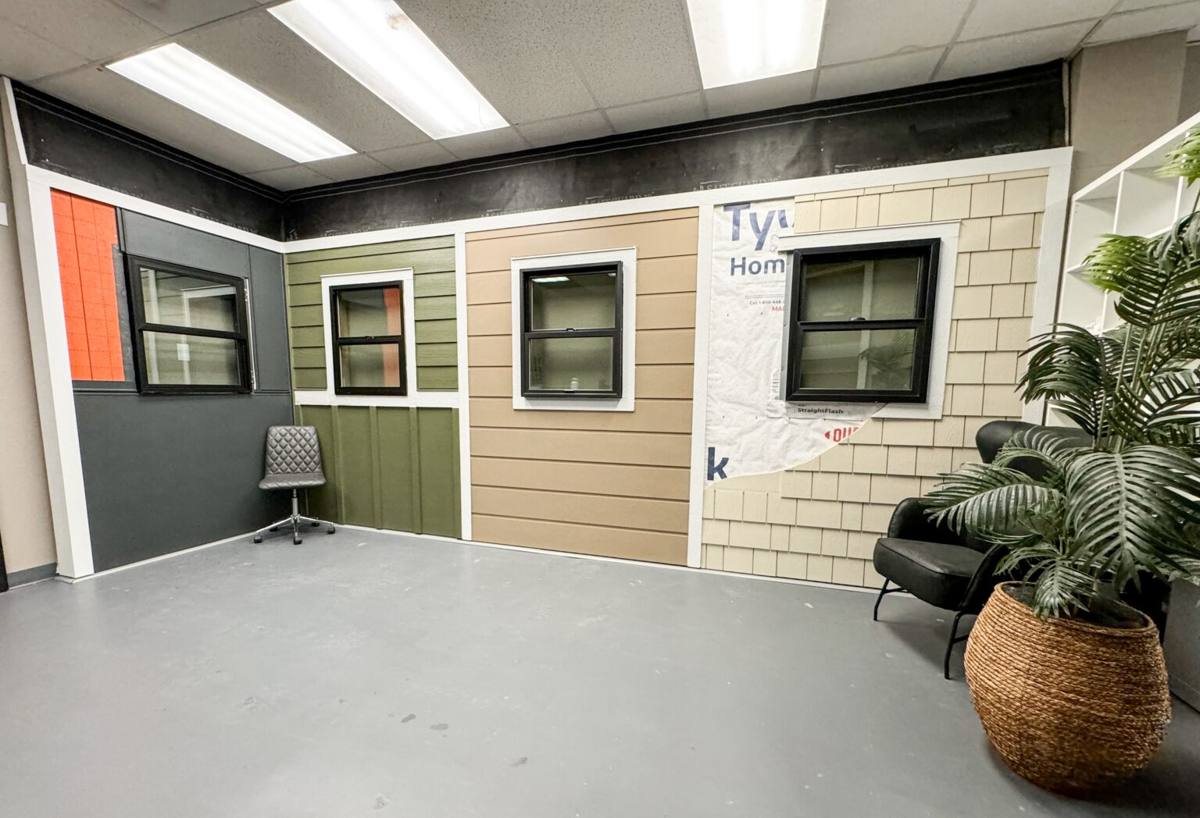
What Salt Air, Rain, and Moss Actually Do to a Wall
Salt-Tinged Marine Air
Salt in the air accelerates corrosion on anything metal — fasteners, flashing, trim edges — and it degrades lower-quality paint finishes faster than a dry climate would. Siding that relies on field-applied paint is more exposed to this than a factory-finished product, simply because a factory finish is baked on under controlled conditions rather than rolled or sprayed on-site.
Driving Rain
Wind-driven rain doesn't just run down a wall — it gets pushed sideways and upward into laps, joints, and penetrations. If the flashing details, butt joint gaps, and water-resistive barrier underneath aren't done correctly, water finds its way behind the siding and into the sheathing. That's when you start seeing soft spots, staining, and eventually structural rot, usually long before it's visible from the outside.
Moss and Prolonged Dampness
Moss doesn't just grow on roofs. On shaded siding, it holds moisture directly against the surface for extended periods, which speeds up paint failure and, on wood-based products, encourages rot underneath. A siding assembly with a proper drainage gap behind it — a rainscreen — gives that moisture somewhere to go instead of sitting against the wall.
Why We Only Install James Hardie Fiber Cement
We get asked fairly often why we don't offer vinyl, LP SmartSide, cedar, or other fiber cement brands. It's not because those products don't have a place in the market — it's because, given what this specific climate does to a wall over 20-plus years, we don't think they hold up as well as James Hardie does when installed correctly. Here's how they stack up on the factors that matter most in a salt-air, high-rain, moss-prone environment:
| Siding Option | Moisture & Moss Behavior | Maintenance Burden | Long-Term Considerations |
|---|---|---|---|
| James Hardie Fiber Cement | Non-combustible, dimensionally stable, doesn't swell or rot from moisture exposure | Low — factory finish resists fading and cracking | Engineered for regional climate zones; strong transferable warranty |
| Vinyl Siding | Doesn't rot, but can warp under heat and trap moisture behind it if not vented properly | Low, but color fades and can't be repainted easily | Shorter realistic service life than fiber cement in wet climates |
| LP SmartSide (engineered wood) | Treated to resist moisture, but still a wood-strand product — vulnerable at cut edges and joints | Moderate — edge sealing and caulking maintenance matter | Moisture intrusion at unsealed edges is the main long-term risk |
| Cedar | Natural material, absorbs and releases moisture; moss and mildew take hold readily in shade | High — regular staining, sealing, and moss treatment needed | Shortest maintenance-free interval of the group in this climate |
Fiber cement isn't magic — it still has to be installed correctly to deliver on any of this. But as a base material, it gives us the best starting point for a climate that includes salt air, sustained rain, and moss all in the same year.
The HZ5 Climate-Engineered Difference
James Hardie doesn't make one product for the whole country. Their HZ5 formulation is engineered for regions that see the kind of moisture cycling and temperature swings common to the Pacific Northwest, rather than the hot, humid Southeast or the arid Southwest. That matters here — a siding product engineered for the wrong climate zone can perform fine for a few years and then start failing exactly where local conditions are hardest on it: at butt joints, fastener penetrations, and shaded lower courses where moss and standing moisture concentrate.
ColorPlus factory-applied finish is the other half of this. Because the color coat is cured onto the board in a controlled factory environment rather than applied on a ladder in variable weather, it holds up more consistently against fading, chipping, and the kind of finish breakdown that salt air and UV cycling cause over time. Fewer repaint cycles means fewer chances for water to find a way in through a compromised finish.
What a Correct Installation Actually Involves
Most siding problems we get called out to fix aren't material failures — they're installation shortcuts. A correct Hardie installation in this climate includes:
- A drainage gap (rainscreen) behind the siding so any moisture that gets past the surface has somewhere to go
- Properly lapped and sealed weather-resistive barrier underneath, with no reverse laps that funnel water inward
- Flashing at every window, door, and penetration — not just caulk standing in for flashing
- Correct fastener type, spacing, and placement per Hardie's published specs, not just "close enough"
- Butt joints gapped and treated per manufacturer instructions, not tight-butted and caulked over
- Caulking used only where Hardie specifies it — over-caulking traps moisture as often as it keeps it out
Skipping any one of these doesn't usually show up as a problem in year one. It shows up in year eight or ten, as soft trim, staining at the joints, or paint failure that starts from behind the board instead of the front.
Our Process on Aldergrove, BC Projects
- Walk the property and assess existing siding, sheathing condition, and moisture history — shaded and north-facing walls get extra attention
- Remove old siding and inspect the sheathing underneath for hidden rot or previous water intrusion before anything new goes up
- Repair or replace the water-resistive barrier and install a proper rainscreen gap
- Install James Hardie siding to manufacturer spec — flashing, fastening, gapping, and caulking done in that order, not shortcuts stacked on top of each other
- Final walk-through and inspection before we call the job done
Why Local Experience in This Area Matters
A crew that already works Aldergrove and the surrounding Lynden and Whatcom County area knows the difference between an open farmland lot that takes the full force of driving rain and a tree-covered property where moss and shade are the bigger enemy. That's not something you learn from a spec sheet — it's something you learn from doing the work in this specific stretch of the Pacific Northwest, on both sides of the border, season after season.
It also means fewer surprises during the job. Crews unfamiliar with the area sometimes underestimate how much a shaded, moss-prone wall has already been compromised until the old siding comes off. Local experience means we generally know what we're likely to find before we start.
Maintaining Fiber Cement in This Climate
Correctly installed Hardie siding is genuinely low-maintenance, but "low" isn't "none" in a salt-air, high-rain, moss-prone environment. A simple annual routine goes a long way:
- Rinse siding down at least once a year to clear salt residue and organic buildup, especially on shaded walls
- Check for moss or algae starting on north-facing or heavily shaded sections and address it early rather than letting it establish
- Inspect caulking at trim and penetrations for cracking or separation, particularly after the wettest months
- Keep gutters and downspouts clear so roof runoff isn't dumping extra water onto siding below
- Trim back vegetation that keeps a wall section shaded and damp longer than the rest of the house
What Affects the Cost of a Project Like This
| Factor | Why It Matters Here |
|---|---|
| Home size and number of elevations | More wall area and more corners/penetrations means more flashing and detail work |
| Condition of existing siding and sheathing | Hidden moisture damage found during tear-off adds repair scope before new siding goes on |
| Trim, fascia, and accessory complexity | Homes with more architectural detail take longer to flash and finish correctly |
| Siding profile and product line chosen | Lap width, shingle-style accents, and color selections affect material cost |
| Access and site conditions | Shaded, sloped, or tight lots common in the area can add time to prep and staging |
None of these factors are things we can price accurately without seeing the property, which is exactly why we start every project with an honest, in-person look rather than a phone quote.
If you're weighing a siding replacement or repair in Aldergrove, BC and want a straight answer about what your home actually needs, we're happy to take a look and walk you through it — no pressure, no obligation. Use the form below to request a free estimate.