 Lynden Siding
 Asphalt Shingle Roofing Built for Deming's Wet Climate
Homes around Deming sit in one of the wetter, mossier stretches of Whatcom County. The rain doesn't just fall here, it drives sideways off the foothills, and the shade from tall firs and cedars keeps roof surfaces damp long after a storm has passed. Asphalt shingle roofing is still one of the most practical, cost-effective choices for this area, but only when it's installed with this specific climate in mind. A shingle roof detailed for a dry inland climate will not hold up the same way here.
This page covers what a correct asphalt shingle roof looks like for a Deming home, what our crew actually does on the job, and why local experience matters more than most homeowners expect when it comes to roofing decisions.
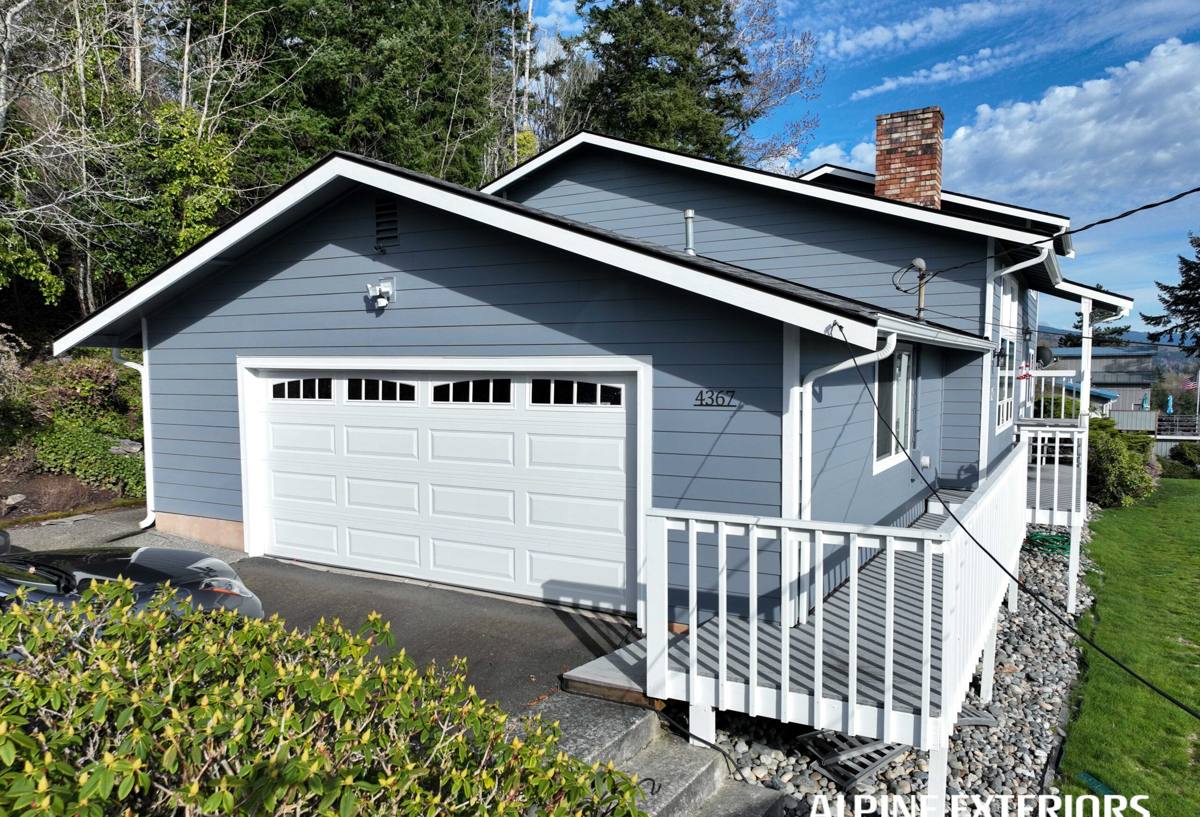
What Whatcom County Weather Does to a Roof Over Time
Three things shorten the life of an asphalt shingle roof faster here than in most other parts of the state:
- Driving rain. Wind-driven rain doesn't just land on the roof, it pushes up and under shingle edges, exposed fasteners, and poorly lapped flashing. A roof that would shed water fine in a calm rain can leak in a Whatcom County windstorm if the details are wrong.
- Long moss season. Shaded, north-facing slopes and roofs under tree cover stay damp for months at a time. Moss and algae take hold in that moisture, working under shingle tabs and holding water against the roof deck long after the rest of the neighborhood has dried out.
- Salt-laden coastal air. Even inland from the water, weather systems moving through this part of Washington carry salt air that accelerates corrosion on exposed metal — flashing, fasteners, and vent stacks age faster here than they would in a dry, inland climate.
None of this means asphalt shingles are the wrong material for Deming. It means the installation has to account for these conditions from the first layer of underlayment to the last exposed nail.
What a Correct Asphalt Shingle Installation Actually Involves
A shingle roof is a system, not a single product nailed to the deck. Every layer has a job, and skipping or rushing one is usually where leaks start.
Tear-Off and Deck Inspection
We remove the old roofing down to the deck rather than layering over it. This lets us actually see the plywood or plank decking underneath, which is the only way to catch soft spots, delaminated sheathing, or old moisture damage before it's sealed under a brand-new roof. Any damaged decking gets replaced before anything else happens.
Underlayment and Ice-and-Water Protection
Synthetic underlayment goes down first as the roof's secondary water barrier. In vulnerable areas, valleys, eaves, around chimneys, and anywhere water tends to pool or back up, we add self-adhering ice-and-water shield. In a climate with as much sustained rain as this one, that extra membrane at the weak points is what keeps a wind-driven storm from becoming an interior leak.
Flashing Details
Flashing at chimneys, skylights, sidewalls, and roof-to-wall transitions is where most roof leaks actually originate, not the field shingles. We use properly lapped step flashing and counterflashing rather than relying on caulk or roof cement to bridge a gap. Caulk fails; correctly installed metal doesn't.
Ventilation
A shingle roof needs balanced intake and exhaust airflow to manage heat and moisture in the attic. Poor ventilation traps moisture underneath the deck, which shortens shingle life from the inside out and can encourage rot regardless of how good the shingles on top are. We check existing ventilation on every roof and correct it where it's inadequate.
Nailing and Shingle Installation
Manufacturer nailing patterns exist for a reason — correct nail count, placement, and depth are what let a shingle resist wind uplift in a coastal storm. Overdriven or underdriven nails are one of the most common causes of early shingle failure, and it's a detail that's easy to rush and easy to get wrong.
Choosing a Shingle for This Climate
Not every shingle line performs the same way under constant damp and shade. The table below outlines the practical trade-offs homeowners in this area actually weigh.
| Shingle Type | Best For | Climate Trade-Offs |
|---|---|---|
| 3-Tab Shingles | Budget-conscious re-roofs, simple roof lines | Lowest upfront cost, but thinner profile and shorter wind and impact ratings than architectural lines |
| Architectural (Laminated) Shingles | Most Deming homes, especially shaded or exposed roofs | Heavier, higher wind rating, longer manufacturer warranties; better performance in driving rain |
| Algae-Resistant (AR) Shingles | Shaded lots, north-facing slopes, tree cover | Copper-infused granules resist algae and moss staining longer, worth the upgrade in a long moss season |
| Impact-Rated (Class 4) Shingles | Homeowners wanting maximum durability | Higher material cost, sometimes offset by insurance premium credits, ask your carrier |
For most homes in this area, we recommend at minimum an architectural shingle with algae-resistant granules. The extra cost over standard 3-tab shingles is modest, and the payoff shows up years later in how the roof looks and holds up under moss pressure.
Our Process, Start to Finish
- On-site inspection. We walk the roof and attic, not just look from the ground, to assess deck condition, ventilation, flashing, and moss or algae damage.
- Honest estimate. You get a clear, itemized quote covering materials, labor, tear-off, and any deck repair we anticipate — no vague allowances that turn into surprise change orders.
- Material selection. We walk through shingle options and color choices suited to your home and the amount of shade and rain exposure your roof sees.
- Tear-off and deck repair. Old roofing comes off, decking gets inspected, and any damaged sections are replaced before new materials go down.
- Underlayment, flashing, and shingle installation. Installed in the sequence and to the nailing pattern the manufacturer specifies, with extra ice-and-water protection at vulnerable points.
- Cleanup and final walkthrough. We magnet-sweep for stray nails and walk the finished roof with you before we consider the job done.
Keeping Moss and Algae From Shortening Your Roof's Life
Even a well-installed shingle roof needs some basic upkeep in a climate like this. A short annual routine goes a long way toward protecting the investment.
- Keep gutters clear of needles and debris so water isn't backing up under the shingle edge.
- Trim back overhanging branches to cut down on shade and debris buildup, both of which feed moss growth.
- Have moss physically removed rather than pressure-washed off, high-pressure washing can strip granules and shorten shingle life.
- Watch for dark streaking or thickening moss on north-facing slopes, it's usually the first visible sign of moisture holding against the roof.
- Schedule a roof check after major windstorms, not just once a year, since wind-driven rain is what finds weak flashing and lifted shingles first.
Cost Factors to Expect
Every roof is different, so a firm number only comes from an on-site look. That said, these are the main factors that move the price up or down for homes in the Deming and Lynden area.
| Factor | Impact on Cost |
|---|---|
| Roof size and number of layers being removed | Larger roofs and multi-layer tear-offs increase labor and disposal cost |
| Roof pitch and access | Steep or hard-to-access roofs require more safety equipment and time |
| Deck condition | Rotted or delaminated sheathing found during tear-off adds repair cost |
| Shingle line chosen | Architectural and algae-resistant shingles cost more than basic 3-tab |
| Flashing and ventilation work | Bringing older flashing and attic ventilation up to standard adds scope but reduces future leak risk |
As a general range, most full asphalt shingle roof replacements on typical single-family homes in this area land in the mid to upper five figures, with the specifics depending heavily on the factors above. We'll give you real numbers after we've actually seen your roof.
Why a Crew That Already Works in Deming Matters
Roofing crews that mostly work drier climates, or climates without this much sustained moss and driving rain, tend to under-detail the things that matter most here: ice-and-water placement, flashing laps, and ventilation balance. A crew that regularly works roofs in and around Deming and Lynden has already seen how Whatcom County weather finds the weak points in a roof, and builds for it from the start rather than learning it the hard way on your house.
Local experience also means straightforward, realistic scheduling. Whatcom County's wet season narrows the practical roofing window, and a crew that works this area routinely knows how to plan a tear-off so your home isn't sitting exposed longer than it needs to be.
If your roof is showing moss buildup, curling shingles, or you're just planning ahead, we're happy to take a look and give you a straightforward, no-pressure estimate. Use the form below to get started.